UC to play host to research conference on senses
Sensorium 2022 attracts national researchers in sensory ecology, biology

Event Information (passed)
The University of Cincinnati will play host to the fourth annual regional conference UC founded to share research about sensory ecology and biology.
Sensorium 2022 will showcase UC’s new Digital Futures building, home to collaborative labs such as the Institute for Research in Sensing directed by one of conference organizers, UC associate professor Nathan Morehouse.
The conference Nov. 19 and 20 will feature several presentations by UC student and faculty researchers on diverse topics such as the vision of fiddler crabs and echolocation by bats.
Researchers will give 28 poster presentations as well as individual talks.
UC doctoral student Oluwaseun Ajayi will discuss his research into how sleep-deprived mosquitoes prefer to catch up on sleep rather than to hunt for food. His latest study was published in the Journal of Experimental Biology.

UC student Oluwaseun Ajayi studies mosquitos in UC associate professor Joshua Benoit's biology lab. Photo/Andrew Higley/UC Marketing + Brand
UC College of Arts and Sciences students Sophia Clemen and Sanjay Prasher lab will present work from assistant professor Elizabeth Hobson's lab, where they have begun new studies involving northern bobwhite quail.
David Morris, a graduate student in Morehouse’s lab, will discuss the evolution of the bright ornamental coloring of paradise jumping spiders.
UC’s Institute for Research in Sensing brings together experts in the sciences, fine arts and humanities to examine senses and perception.
“Sensorium showcases one of those deep strengths at UC, the study of sensing and perception in nonhuman animals,” Morehouse said.
The natural world is like a billions-year-old research and development department.
Nathan Morehouse, UC's Institute of Research in Sensing
Meanwhile, the Institute for Research in Sensing will resume its popular Alloy Series public talks Thursday, Nov. 17, from 7 to 9 p.m. at the UC Digital Futures building.
These roundtable discussions bring together experts from diverse backgrounds to discuss topics relating to the senses. This week’s discussion is titled Perceptions and Accessibility in the Performing Arts. The event is free but tickets are required.
UC’s researchers have made startling discoveries about the ways animals perceive and navigate the world, from revealing novel ways that tree snakes climb to using diving beetles to understand our own visual impairments. Researchers are learning more about the amazing echolocation of bats that can even find insects hiding on leaves.
Morehouse said Sensorium also attracts interest from engineers who want to apply what we learn about animal abilities to practical applications in fields such as medicine, autonomous transportation and pollution remediation.
“The natural world is like a billions-year-old research and development department,” Morehouse said. “Nature has arrived at elegant solutions to problems that we face as well. It’s a good place to look for inspiration when you run out of obvious answers.”
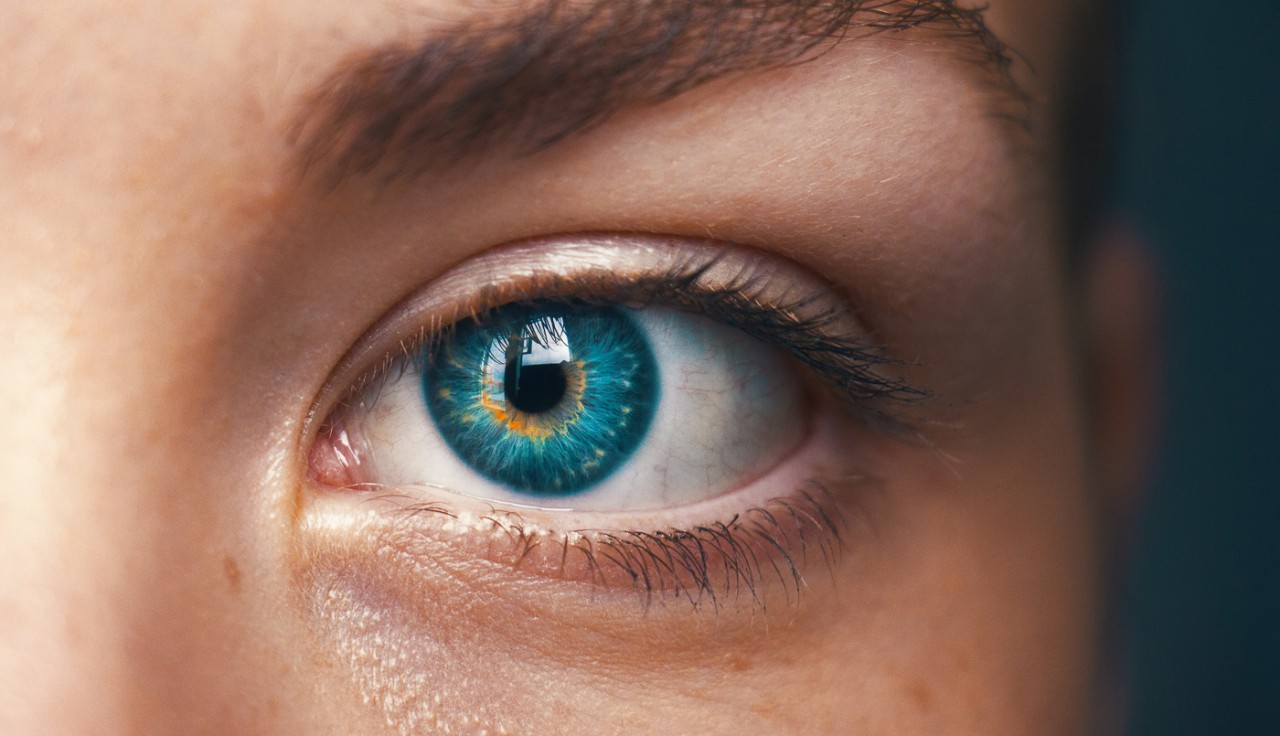
Featured image at top: UC will host the fourth-annual Sensorium conference on Nov. 19 and 20 at the Digital Futures building. Photo/Amanda Dalbjorn/Unsplash
Next Lives Here
The University of Cincinnati is leading public urban universities into a new era of innovation and impact. Our faculty, staff and students are saving lives, changing outcomes and bending the future in our city's direction. Next Lives Here.
Related Stories
Duo authentication changes coming January 2026
November 10, 2025
Effective Wednesday, January 21, 2026, Duo authentication via SMS text messages and phone calls will no longer be supported. Switch to the Duo Mobile app on an iOS or Android device (such as a smartphone or tablet). The Duo Mobile app supports Duo Push, which offers the most secure and user-friendly authentication experience.
Hoxworth Crosstown Shootout Blood Drive challenges Xavier & UC students, alumni and fans
November 10, 2025
Hoxworth Blood Center is proud to bring back the Crosstown Shootout Blood Drive Challenge, a citywide effort that unites Bearcats, Musketeers and fans across Greater Cincinnati to help save local lives through blood donation.
New approach could treat cancer by rearranging tumor cell structures
November 10, 2025
The University of Cincinnati’s Jiajie Diao, PhD, and colleagues have published new research showing a proof of concept that rearranging the location of lipid droplets within cells can increase the effectiveness of cell starvation, making it a potential cancer treatment. The research was published as the November cover story in the journal Trends in Biotechnology.