First low FODMAP–Mediterranean diet comparison reveals clear winner
UC gastroenterologist provides insights on results of recent study

The low-FODMAP diet offers greater relief in people with symptoms of diarrhea or mixed subtypes of irritable bowel syndrome compared to the Mediterranean diet, according to a study published recently in the journal Neurogastroenterology & Motility.
MedCentral has reported that while the low-FODMAP diet remains the most evidence-based dietary therapy for irritable bowel syndrome (IBS), its comparative efficacy against the Mediterranean diet, an easier-to-follow nutritional alternative, remained untested in randomized controlled trials until now.
Low-FODMAP is an elimination diet, with FODMAP standing for fermentable, oligo-, di-, monosaccharides and polyols.
“The low-FODMAP diet targets specific fermentable carbohydrates known to trigger IBS symptoms, directly addressing underlying gut fermentation and gas production. Conversely, the Mediterranean diet emphasizes a more varied intake of plant-based foods, which can promote gut health, better compliance, less restriction and may improve overall gastrointestinal function and inflammation,” explained Susan S. Kais, MD, board-certified gastroenterologist and assistant professor at the University of Cincinnati College of Medicine. Kais was not involved in the study.
However, she said, “The study’s respective methodology, including meal provision to enhance compliance and detailed clinical outcome tracking, truly strengthens the reliability of its findings."
Kais said the results suggest clinicians should consider the low-FODMAP diet as a primary dietary therapy for IBS patients.
“If it fails, direct patients to the Mediterranean diet, which could serve as a beneficial alternative — particularly for those who struggle with the restrictive nature of the low-FODMAP diet," said Kais.
She suggests that physicians work with nutritionists and dietitians to educate patients on dietary interventions, tailor eating patterns to each individual, establish solid relationships with ongoing support and follow-up, and utilize technology to help increase adherence through food-tracking apps or online platforms.
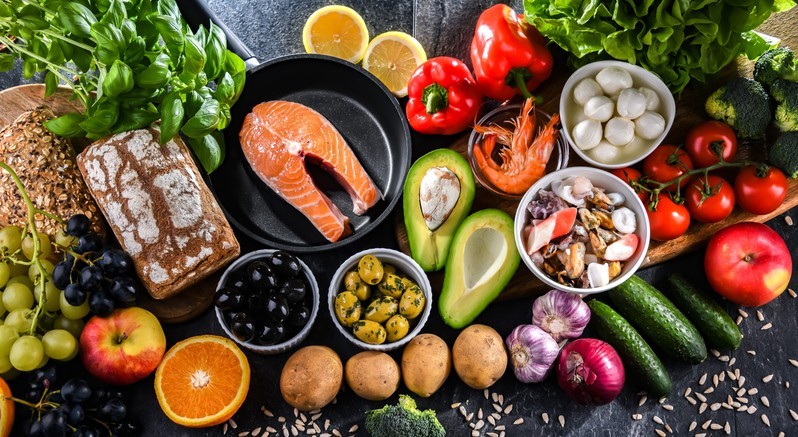
Featured image at top: A variety of foods that are part of the Mediterranean diet. Photo/iStock/monticelllo.
Related Stories
Sugar overload killing hearts
November 10, 2025
Two in five people will be told they have diabetes during their lifetime. And people who have diabetes are twice as likely to develop heart disease. One of the deadliest dangers? Diabetic cardiomyopathy. But groundbreaking University of Cincinnati research hopes to stop and even reverse the damage before it’s too late.
Is going nuclear the solution to Ohio’s energy costs?
November 10, 2025

The Ohio Capital Journal recently reported that as energy prices continue to climb, economists are weighing the benefits of going nuclear to curb costs. The publication dove into a Scioto Analysis survey of 18 economists to weigh the pros and cons of nuclear energy. One economist featured was Iryna Topolyan, PhD, professor of economics at the Carl H. Lindner College of Business.
App turns smartwatch into detector of structural heart disease
November 10, 2025

An app that uses an AI model to read a single-lead ECG from a smartwatch can detect structural heart disease, researchers reported at the 2025 Scientific Sessions of the American Heart Association. Although the technology requires further validation, researchers said it could help improve the identification of patients with heart failure, valvular conditions and left ventricular hypertrophy before they become symptomatic, which could improve the prognosis for people with these conditions.