Tristate residents with ties to the Middle East grapple with worry and uncertainty as region remains on edge
WLWT speaks with UC Law’s peace security initiatives director Julie Leftwich

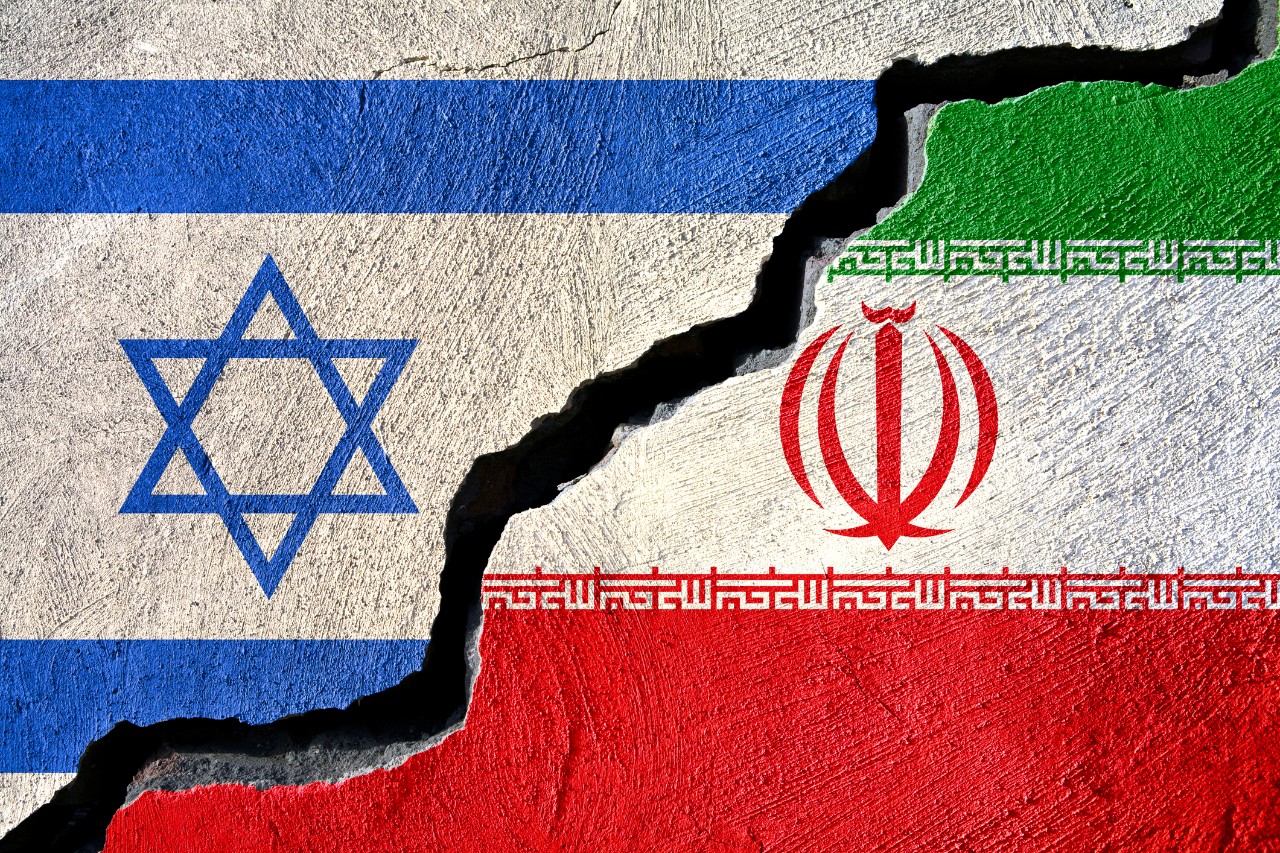
As Israel and the U.S. trade missile launches with Iran, residents in Greater Cincinnati worry about escalation of the conflict. While opinions differ on the U.S. striking nuclear sites in Iran, uncertainty is a common emotion, reports WLWT.
“Everybody is on edge,” Julie Leftwich told WLWT. “Nobody knows what’s going to happen.”
Leftwich, director of international peace security initiatives at the University of Cincinnati College of Law, was in Israel about a month ago and was planning on returning in the next couple of weeks. That plan was put on hold with U.S. bombers entering Iranian airspace this week and Iran attacking American bases overseas.
Families of all backgrounds in the Middle East are caught in the middle of conflict. Leftwich says residents in Greater Cincinnati should not forget the human lives that are being impacted.
"It's not just bombs that are going off, and that, you know, nothing else is happening," Leftwich told WLWT. "These are people, obviously, that are being affected."
Hours after WLWT's broadcast President Trump announced a cease-fire for the region overnight after 12 days of fighting between Israel and Iran. But media report that tensions in the region remain high.
The College of Law’s new International Peace and Security Initiative fosters an understanding of the drivers of insecurity and paths to peace. It trains future advocates and leaders and supports global organizations and institutions dedicated to human rights, women, peace, and security.
Leftwich is leading efforts to establish a Center for International Peace and Security to serve as a practice-based wing of the renowned Urban Morgan Institute for Human Rights.
View the story on the Middle East conflict on WLWT online.
Learn more about Julie Leftwich online.
Featured top illustration courtesy Jorge Villalba/Istock.
Related Stories
Sugar overload killing hearts
November 10, 2025
Two in five people will be told they have diabetes during their lifetime. And people who have diabetes are twice as likely to develop heart disease. One of the deadliest dangers? Diabetic cardiomyopathy. But groundbreaking University of Cincinnati research hopes to stop and even reverse the damage before it’s too late.
Is going nuclear the solution to Ohio’s energy costs?
November 10, 2025

The Ohio Capital Journal recently reported that as energy prices continue to climb, economists are weighing the benefits of going nuclear to curb costs. The publication dove into a Scioto Analysis survey of 18 economists to weigh the pros and cons of nuclear energy. One economist featured was Iryna Topolyan, PhD, professor of economics at the Carl H. Lindner College of Business.
App turns smartwatch into detector of structural heart disease
November 10, 2025

An app that uses an AI model to read a single-lead ECG from a smartwatch can detect structural heart disease, researchers reported at the 2025 Scientific Sessions of the American Heart Association. Although the technology requires further validation, researchers said it could help improve the identification of patients with heart failure, valvular conditions and left ventricular hypertrophy before they become symptomatic, which could improve the prognosis for people with these conditions.