UC study: Many seniors fear cataract surgery
Ophthalmology research featured in U.S. News & World Report

Cataract surgery is one of the most foolproof procedures in medicine, with a success rate as high as 95%.
Nevertheless, many seniors don’t get cataract surgery because they fear losing their sight, University of Cincinnati College of Medicine researchers reported recently in the journal Clinical Ophthalmology. The UC study was recently featured in U.S. News & World Report.
More than a third (36%) of a small group of patients said they fear cataract surgery, and more than half of those specifically cited concerns the procedure would lead to vision loss.
These fears weren’t based on a lack of knowledge, but something more primal, researchers said.
“We found patients who would benefit from surgery reasonably understood the procedure after we educated them,” said senior researcher Lisa Kelly, MD. “But even with clear explanations, sometimes their fear persisted.”
Kelly is an endowed professor-educator in the Department of Ophthalmology and director of the department's medical student education.
Cataracts develop when proteins in the eye’s lens break down and clump together, clouding the lens and causing blurry or dimmed vision, researchers said in background notes. Cataract surgery involves replacing a clouded natural lens with a clear artificial one.
Each year, more than 3 million cataract surgeries are performed in the U.S. Despite this, prior studies have shown that many people are reluctant to undergo cataract surgery, researchers said.
To explore this further, researchers surveyed 42 patients at the University of Cincinnati’s Hoxworth Eye Clinic. Their average age was 66.
Researchers theorized that a lack of health literacy might cause people to unnecessarily fear the procedure.
However, they found that wasn’t the case at all — even when people understood cataract surgery, some still feared losing their sight.
Providing the patients with more information wasn’t always helpful, either.
“Overloading patients with data doesn’t necessarily ease their concerns,” said lead researcher Stephanie Hu, a newly graduated Doctor of Medicine student.
Instead, the study points to the importance of a good doctor-patient bond with open communication, Kelly said.
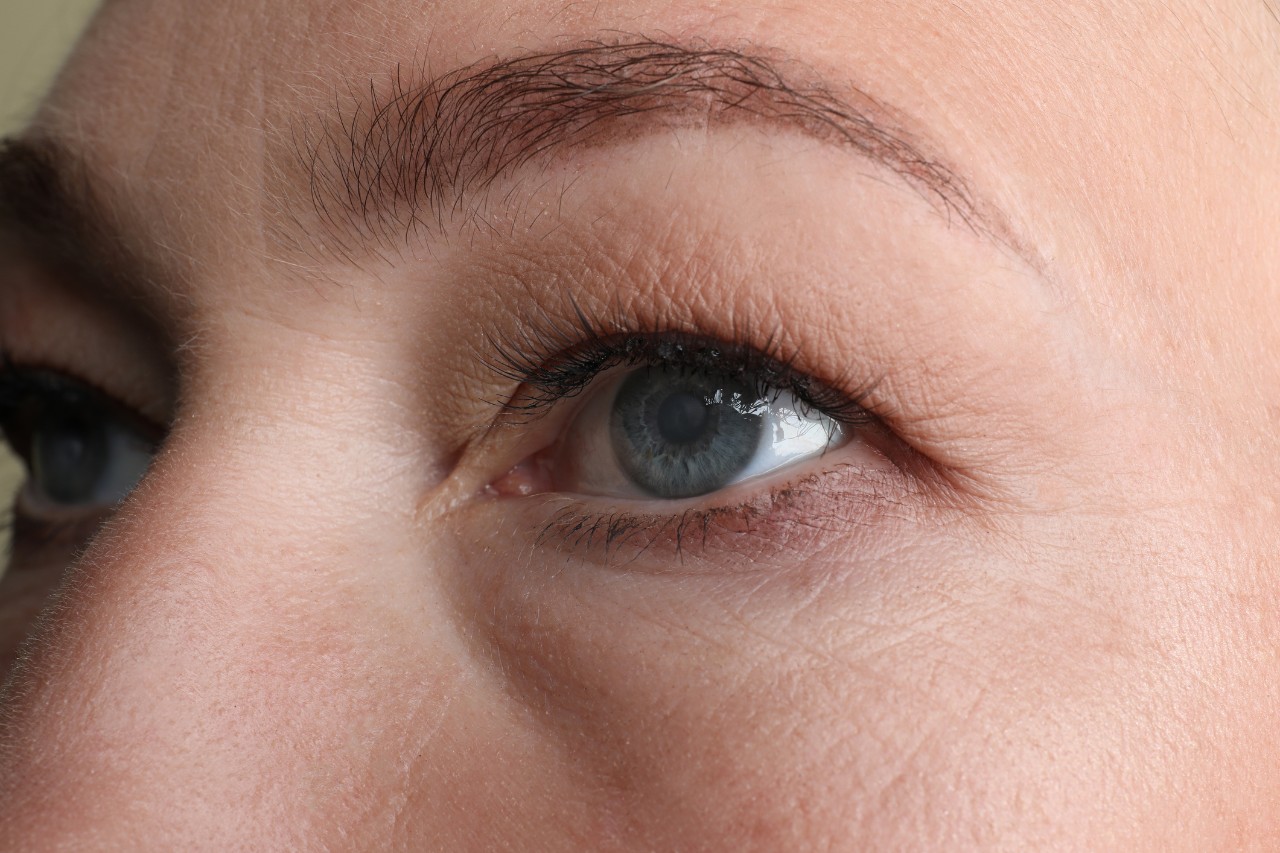
Featured image at top: Closeup view of woman with eye cataract. Photo/Stock/Liudmila Chernetska.
Related Stories
Sugar overload killing hearts
November 10, 2025
Two in five people will be told they have diabetes during their lifetime. And people who have diabetes are twice as likely to develop heart disease. One of the deadliest dangers? Diabetic cardiomyopathy. But groundbreaking University of Cincinnati research hopes to stop and even reverse the damage before it’s too late.
Is going nuclear the solution to Ohio’s energy costs?
November 10, 2025

The Ohio Capital Journal recently reported that as energy prices continue to climb, economists are weighing the benefits of going nuclear to curb costs. The publication dove into a Scioto Analysis survey of 18 economists to weigh the pros and cons of nuclear energy. One economist featured was Iryna Topolyan, PhD, professor of economics at the Carl H. Lindner College of Business.
App turns smartwatch into detector of structural heart disease
November 10, 2025

An app that uses an AI model to read a single-lead ECG from a smartwatch can detect structural heart disease, researchers reported at the 2025 Scientific Sessions of the American Heart Association. Although the technology requires further validation, researchers said it could help improve the identification of patients with heart failure, valvular conditions and left ventricular hypertrophy before they become symptomatic, which could improve the prognosis for people with these conditions.