What a proposed cosmetic ingredients ban could mean for your beauty products
UC cosmetic science expert featured in Allure article

The University of Cincinnati's Kelly Dobos was featured in an Allure article discussing how a proposed New York bill prohibiting the sale of items with specific ingredients could affect the cosmetic products you buy.
If passed, the "Beauty Justice Act" would target products including ingredients such as parabens, formaldehyde and a specific pigment, called carbon black, often used in mascara and eyeliner. Dobos said most of the ingredients listed in the bill are not added to modern cosmetics or are currently being phased out.
“Nobody's putting cadmium in a cosmetic for fun,” said Dobos, a cosmetic chemist and adjunct instructor in UC's Cosmetic Science Program in the James L. Winkle College of Pharmacy. “The last thing we want to do is hurt our customers.”
Dobos said the inclusion of carbon black stood out, as it is a "certifiable" color category that means "every lot made has to go to the FDA laboratories for testing against a list of specifications."
“[Including] carbon black… seems misguided and is problematic for sure," she said. “There's nothing that will really get you to that same color space. Black iron oxide can skew a little more red or brown, and it behaves differently in a product.”
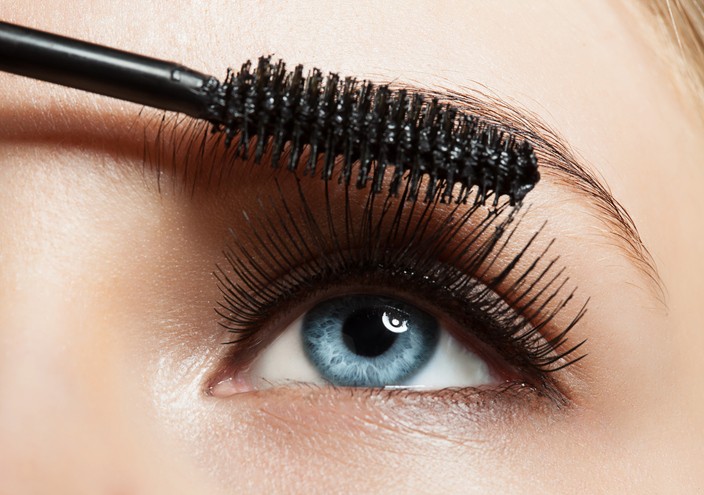
Featured photo at top of mascara being applied to eyebrows. Photo/DenisKomarov/iStock Photo.
Related Stories
UC launches Bearcats Affordability Grant
January 7, 2026
The University of Cincinnati is making college more attainable for students across Ohio with the creation of the Bearcats Affordability Grant. The new grant will provide a pathway to tuition-free college for students of families who make less than $75,000 per year. Beginning in fall 2026, the Bearcats Affordability Grant will cover the remaining cost of tuition for Ohio residents who are Pell eligible.
BearcatGPT AI platform now available to all UC faculty and staff
December 9, 2025
University of Cincinnati Digital Technology Solutions is excited to announce that BearcatGPT, the university’s private, secure AI platform, is now available to all UC faculty and staff.
Sugar overload killing hearts
November 10, 2025
Two in five people will be told they have diabetes during their lifetime. And people who have diabetes are twice as likely to develop heart disease. One of the deadliest dangers? Diabetic cardiomyopathy. But groundbreaking University of Cincinnati research hopes to stop and even reverse the damage before it’s too late.