
UC to host paper shredding event on Bearcat Commons

Event Information (passed)
The University of Cincinnati's Office of Information Security invites all students, faculty and staff to drop off personal, work-related and study-related documents at the annual spring Shred Event.
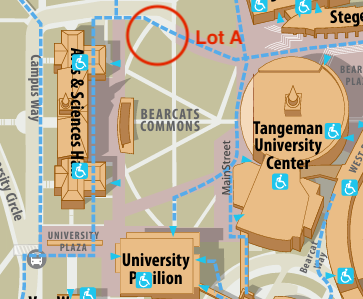
The event will take place Wednesday, April 23, at Bearcats Commons Lot A (Uptown West Campus), from 9 a.m. to 1 p.m. (or until the truck is full).
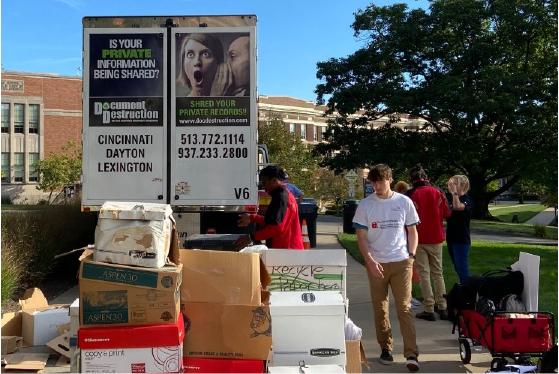
Properly disposing of sensitive documents is a crucial step in safeguarding personal and university information. OIS staff will remain present to ensure that all documents received are properly destroyed.
Before You Come: If needed, please fill out the University Records Disposal Form. If you're new to this process, more information, as well as a link to the form, can be found on the Transfer and Disposal page.
Please note: Please Note, all metal, including paper clips and hanging file folders must be removed in advance; staples are permissible. Plastic also needs to be removed – comb bindings, transparencies, Polaroid pictures, Tyvek envelopes. Anything that cannot be torn is not acceptable.
Related Stories
UC launches Bearcats Affordability Grant
January 7, 2026
The University of Cincinnati is making college more attainable for students across Ohio with the creation of the Bearcats Affordability Grant. The new grant will provide a pathway to tuition-free college for students of families who make less than $75,000 per year. Beginning in fall 2026, the Bearcats Affordability Grant will cover the remaining cost of tuition for Ohio residents who are Pell eligible.
BearcatGPT AI platform now available to all UC faculty and staff
December 9, 2025
University of Cincinnati Digital Technology Solutions is excited to announce that BearcatGPT, the university’s private, secure AI platform, is now available to all UC faculty and staff.
Sugar overload killing hearts
November 10, 2025
Two in five people will be told they have diabetes during their lifetime. And people who have diabetes are twice as likely to develop heart disease. One of the deadliest dangers? Diabetic cardiomyopathy. But groundbreaking University of Cincinnati research hopes to stop and even reverse the damage before it’s too late.