Impact of plastic products on the body
UC expert shares research with Fox 19

New research is sounding the alarm about what happens when plastic breaks down over time and ends up in our bodies. The plastic forms smaller particles called microplastics and nanoplastics, which can't be seen, but can enter the body’s cells and may be harmful.
Hong-Sheng Wang, PhD, a cardiologist toxicologist and professor at the University of Cincinnati College of Medicine, recently spoke to Fox 19.
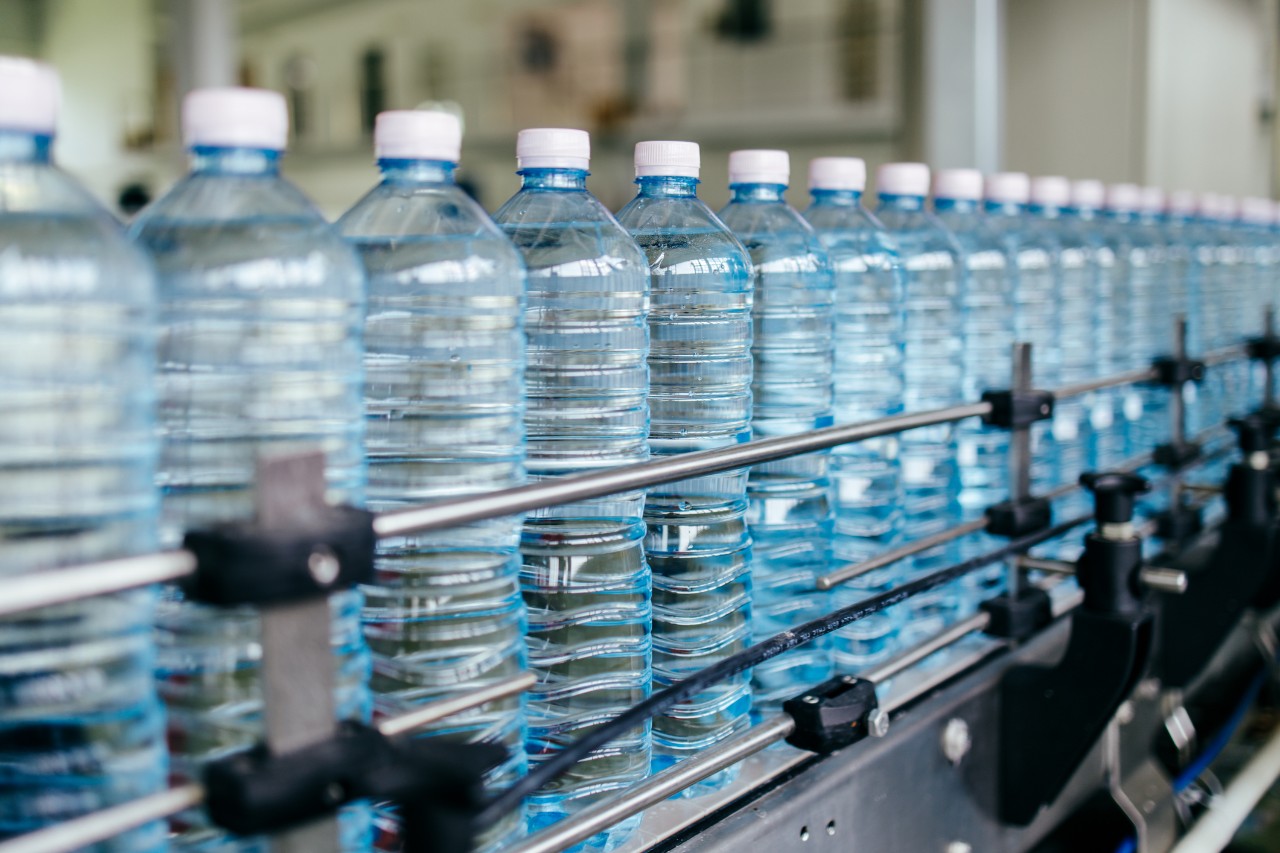
“There is a fair amount of microplastics in bottled water. 240,000 particles per liter,” said Wang.
He has been studying the heart for more than 20 years and more recently has taken an interest in how microplastics can impact the human body.
“This is crazy stuff. In the past eight years, the amount of microplastics in the human brain increased by 50%. That kind of coincides with the widespread use of plastics,” he said.
Wang’s laboratory is currently working with a local chemist to create mock microplastics to see how the particles affect the heart specifically.
Though his research is in its early stages, Wang says he’s confident microplastics are having lasting and negative effects on the heart.
“There was a recent study that shows in those patients where microplastics were found in the arterial plaques, they have a substantially higher chance, I think it’s about four-fold higher chance, of having heart attack, having heart stroke, having stroke and death,” he said.
He said people gain the most exposure to microplastics in consumption of food, beverages and sometimes through the air.
“Drink tap water whenever you can. It’s not to say that tap water is microplastic free, and also it depends on the municipality, depends on the exact brand of bottled water that you drink, but in general, there is a lot more microplastic in bottled water than in tap water,” said Wang.
He also said other ways to avoid microplastics are using loose leaf tea instead of teabags, using glass containers instead of plastic, especially in the microwave, and using a wooden or bamboo cutting board.
Wang said the medical field has rapidly become aware of microplastics and more information is expected to come out in the near future.
Featured image at top: iStock/mladenbalinovac.
Related Stories
Sugar overload killing hearts
November 10, 2025
Two in five people will be told they have diabetes during their lifetime. And people who have diabetes are twice as likely to develop heart disease. One of the deadliest dangers? Diabetic cardiomyopathy. But groundbreaking University of Cincinnati research hopes to stop and even reverse the damage before it’s too late.
Is going nuclear the solution to Ohio’s energy costs?
November 10, 2025

The Ohio Capital Journal recently reported that as energy prices continue to climb, economists are weighing the benefits of going nuclear to curb costs. The publication dove into a Scioto Analysis survey of 18 economists to weigh the pros and cons of nuclear energy. One economist featured was Iryna Topolyan, PhD, professor of economics at the Carl H. Lindner College of Business.
App turns smartwatch into detector of structural heart disease
November 10, 2025

An app that uses an AI model to read a single-lead ECG from a smartwatch can detect structural heart disease, researchers reported at the 2025 Scientific Sessions of the American Heart Association. Although the technology requires further validation, researchers said it could help improve the identification of patients with heart failure, valvular conditions and left ventricular hypertrophy before they become symptomatic, which could improve the prognosis for people with these conditions.