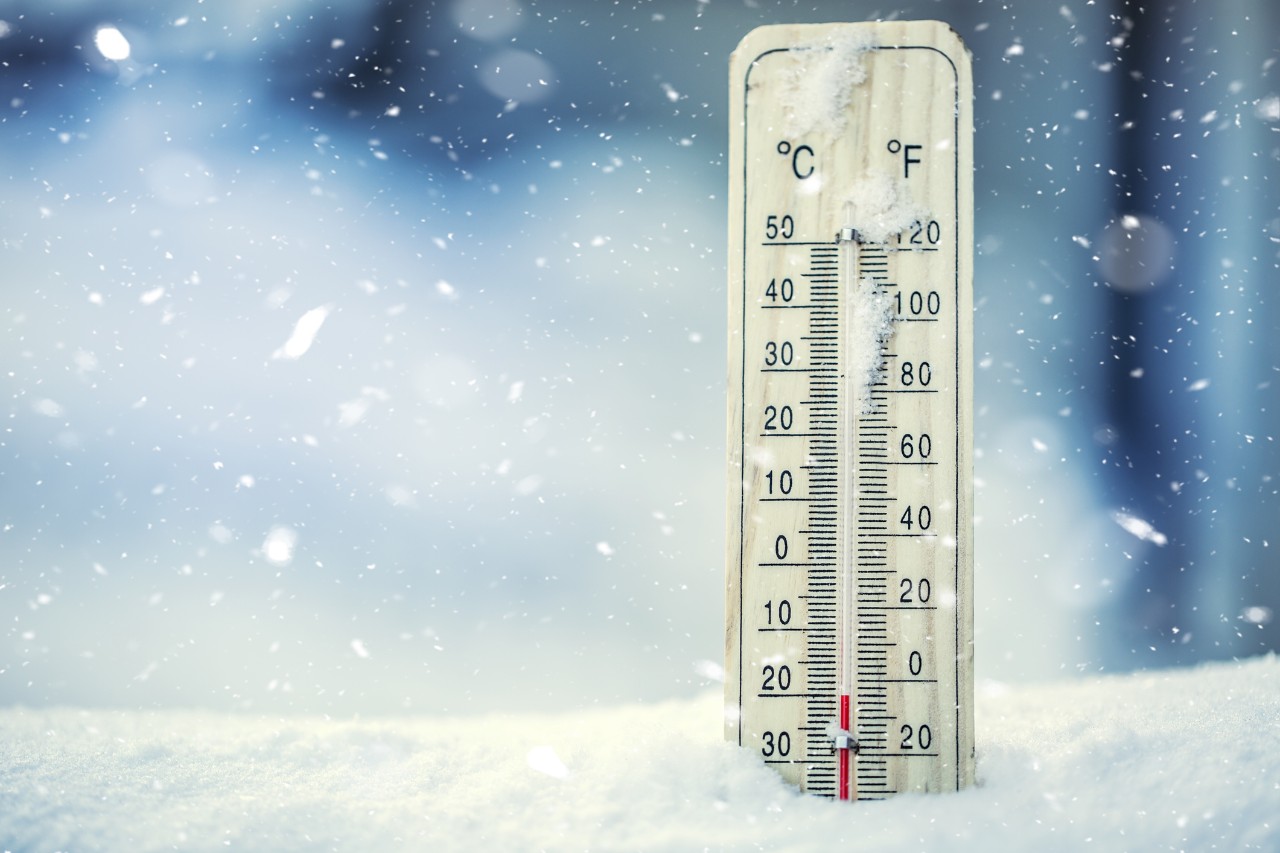
Extreme cold usually deadlier than extreme heat, data shows
UC expert shares factors that leave some people more exposed to the elements

At least five deaths across three different counties in Ohio already this year are being investigated as hypothermia-related. Data from the Hamilton County Coroner's Office shows that in Cincinnati, cold is deadlier than heat.
Between 2020 and 2024, 28 Cincinnati area residents died from hypothermia, which usually is caused by the cold. That's more than twice the number of those who died from hyperthermia, the medical term for when someone's body overheats.
"There are similar risk factors for both," Joseph Kiesler, MD, recently told The Cincinnati Enquirer. He's a professor of family and community medicine in the University of Cincinnati College of Medicine.
Kiesler has treated unhoused patients for more than a decade. He said using alcohol, old age, dehydration and malnutrition are factors that leave some people more exposed to the elements than others.
Potential victims of last month's snowstorm and subzero temperatures hailed from Hamilton, Warren and Clermont Counties, and ranged in age from from 35 to 94.
Three of the victims were not unhoused, with the exception of a 45-year-old man in Felicity, who was found unresponsive in his van.
The housing status of one unnamed man found face down in the snow behind Norwood's Skyline Chili is unknown, according to the Norwood Police Department.
Featured image at top: iStock/MarianVejcik.
Related Stories
Sugar overload killing hearts
November 10, 2025
Two in five people will be told they have diabetes during their lifetime. And people who have diabetes are twice as likely to develop heart disease. One of the deadliest dangers? Diabetic cardiomyopathy. But groundbreaking University of Cincinnati research hopes to stop and even reverse the damage before it’s too late.
Is going nuclear the solution to Ohio’s energy costs?
November 10, 2025

The Ohio Capital Journal recently reported that as energy prices continue to climb, economists are weighing the benefits of going nuclear to curb costs. The publication dove into a Scioto Analysis survey of 18 economists to weigh the pros and cons of nuclear energy. One economist featured was Iryna Topolyan, PhD, professor of economics at the Carl H. Lindner College of Business.
App turns smartwatch into detector of structural heart disease
November 10, 2025

An app that uses an AI model to read a single-lead ECG from a smartwatch can detect structural heart disease, researchers reported at the 2025 Scientific Sessions of the American Heart Association. Although the technology requires further validation, researchers said it could help improve the identification of patients with heart failure, valvular conditions and left ventricular hypertrophy before they become symptomatic, which could improve the prognosis for people with these conditions.