The science behind sulfate-free cosmetics
Cosmetics Design USA highlights research coauthored by UC expert

Cosmetics Design USA highlighted research coauthored by the University of Cincinnati's Stephen Herman that examined advancements in the development of sulfate-free cosmetics products.
Herman, adjunct professor in the Cosmetic Science Program in UC's James L. Winkle College of Pharmacy, and Evelyn Su of Sino Lion USA, recently published the research in the journal Cosmetics.
Consumers are increasingly demanding sulfate-free formulations in addition to sustainable and eco-friendly products. However, the authors noted "the objective of sulfate-free personal cleansing technology should not be aimed solely at the absence of 'sulfate' wording in the list of ingredients, but on the true benefits in personal use and in environmental effects."
Sulfates have been common ingredients in personal care products because they are cost effective and help produce foam, but the researchers said these materials can "excessively strip oil from the skin, scalp, and hair, breaking barrier integrity."
Herman and Su said amino acid-based ingredients are the next generation of safe, sustainable and biodegradable ingredients.
Read the Cosmetics Design USA article.
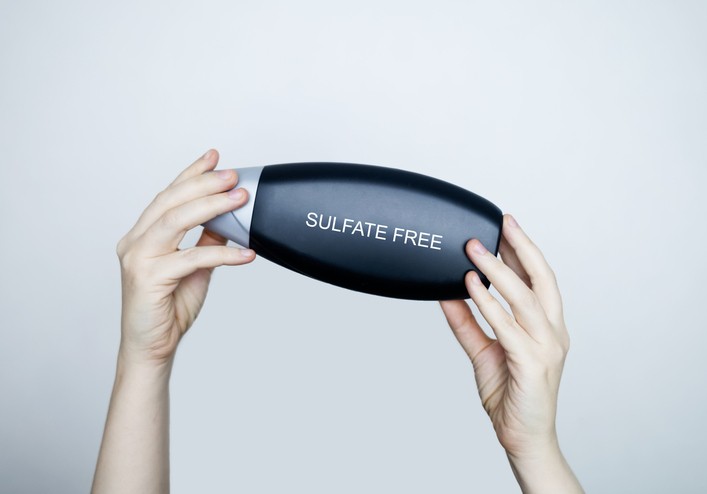
Featured photo at top of a bottle of shampoo labeled "sulfate free." Photo/Alona Siniehina/iStock Photo.
Related Stories
UC launches Bearcats Affordability Grant
January 7, 2026
The University of Cincinnati is making college more attainable for students across Ohio with the creation of the Bearcats Affordability Grant. The new grant will provide a pathway to tuition-free college for students of families who make less than $75,000 per year. Beginning in fall 2026, the Bearcats Affordability Grant will cover the remaining cost of tuition for Ohio residents who are Pell eligible.
BearcatGPT AI platform now available to all UC faculty and staff
December 9, 2025
University of Cincinnati Digital Technology Solutions is excited to announce that BearcatGPT, the university’s private, secure AI platform, is now available to all UC faculty and staff.
Sugar overload killing hearts
November 10, 2025
Two in five people will be told they have diabetes during their lifetime. And people who have diabetes are twice as likely to develop heart disease. One of the deadliest dangers? Diabetic cardiomyopathy. But groundbreaking University of Cincinnati research hopes to stop and even reverse the damage before it’s too late.