UC researchers to study overdose hot spots in Cincinnati
New project aims to tackle overdose crisis with targeted interventions

A collaboration between the University of Cincinnati and the Hamilton County Office of Addiction Response — funded by a $350,000 National Institute of Justice grant — is taking a new approach to help combat the growing overdose crisis in the region.
UC criminal justice researchers will conduct a study of data from emergency medical calls, overdose response teams and local coroner records to pinpoint areas or hot spots to determine where in Cincinnati overdoses are occurring most frequently.
With this information, a research team will then implement and study interventions aimed at reducing overdose incidents in these hot spots.
The overdose epidemic has hit certain areas harder than others.
Ben Feldmeyer UC School of Criminal Justice
According to the most recent data, Cincinnati has experienced between 270 to 500 overdose deaths each year since 2020.
“The overdose epidemic has hit certain areas harder than others, and this project is focusing on identifying specific areas where overdoses are most concentrated,” says the study’s lead investigator Ben Feldmeyer, professor and criminal justice researcher in UC’s College of Education, Criminal Justice, and Human Services.
Study methods
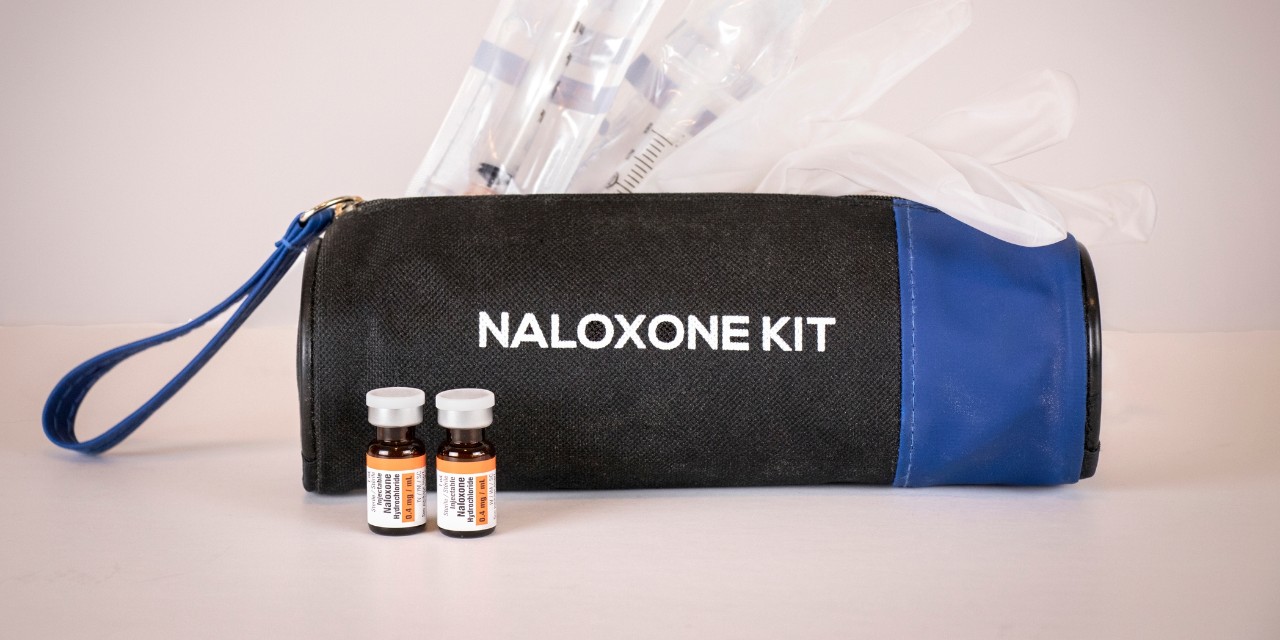
A randomized trial that will test the effectiveness of several harm-reduction strategies is key to the project, Feldmeyer says. The team will place free, publicly accessible kits with the drug naloxone, a medicine that rapidly reverses an opioid overdose, as well as placing fentanyl test strips in strategic locations, giving people tools to prevent overdose deaths. In some areas, additional resources like educational materials and information about drug treatment programs will also be provided.
The project will focus on 36 hot spots, with half receiving the intervention and the other half serving as control groups. Researchers will track overdose incidents and gather feedback from the community to understand the impact of these efforts.
Research team
“Data collection will help us better understand where resources are most needed and how we can make a real difference," says study co-investigator Sarah Manchak, a UC associate professor of criminal justice.
The research team includes co-investigator Cory Haberman, associate professor and director of the Institute of Crime Science.
The study will help assess whether these interventions can reduce overdose deaths and improve access to life-saving resources, especially in underserved communities, say the investigators.
Partnership and potential
In addition to the local impact, the project’s results could inform similar initiatives across the country as such harm-reduction strategies become more common in U.S. communities. The researchers will share their findings through reports, academic publications and public outreach efforts like community talks and policy briefs.
"We’re excited to work together with local partners to find innovative ways to reduce overdose deaths and support those in need," says Meagan Guthrie, director of the Hamilton County Office of Addiction Response.
This project, all say, aims to make a real difference in the fight against overdoses in Cincinnati, providing both immediate relief and long-term strategies to help people affected by substance abuse.
Featured image at top: iStock Photo/NewGig86
Next Lives Here
The University of Cincinnati is leading public urban universities into a new era of innovation and impact. Our faculty, staff and students are saving lives, changing outcomes and bending the future in our city's direction Next Lives Here.
Related Stories
Sugar overload killing hearts
November 10, 2025
Two in five people will be told they have diabetes during their lifetime. And people who have diabetes are twice as likely to develop heart disease. One of the deadliest dangers? Diabetic cardiomyopathy. But groundbreaking University of Cincinnati research hopes to stop and even reverse the damage before it’s too late.
App turns smartwatch into detector of structural heart disease
November 10, 2025

An app that uses an AI model to read a single-lead ECG from a smartwatch can detect structural heart disease, researchers reported at the 2025 Scientific Sessions of the American Heart Association. Although the technology requires further validation, researchers said it could help improve the identification of patients with heart failure, valvular conditions and left ventricular hypertrophy before they become symptomatic, which could improve the prognosis for people with these conditions.
Combination immunotherapy helps overcome melanoma treatment resistance
November 10, 2025

MSN highlighted research led by the University of Cincinnati Cancer Center's Trisha Wise-Draper showing a combination of immunotherapy medications can activate a robust immune response and help overcome treatment resistance in patients with refractory melanoma.