What's ahead during Trump's second term
UC expert discusses health care priorities for incoming administration

President-elect Donald Trump wants to give broad oversight of the health care sector to Robert F. Kennedy Jr., selecting him to head the Department of Health and Human Services. His nomination still needs confirmation in the Senate.
On Cincinnati Edition on 91.7 WVXU News, Carl Fichtenbaum, MD, recently discussed some of the priorities floated in the new administration when it comes to health care. (starts close to :26 minute mark)
Kennedy is considered a vaccine skeptic. But whether it's Kennedy or someone else, Fichtenbaum addressed that the person confirmed to be secretary of the Department of Health and Human Services will have regulatory power and oversight of the process of bringing vaccines to market.
"We have gone through a very careful process that has gotten more and more careful over the years of testing vaccinations. We want to know do they do what we think they're going to do and are they safe? And there's been a number of vaccines that have shown not to be safe, and they haven't been approved. And so there is a really rigorous process now in the United States, monitored by the FDA, that if you want to bring to market a new vaccine, you have to go through a standard process to determine is it safe and does it have effectiveness to be able to help human beings," said Fichtenbaum.
He also addressed the idea that Kennedy would want to change the federal government's current vaccine guidelines.
"I think the more important thing is that we really need a public health system in the United States. We don't have that. It is not something that we've invested in. We have really a health/illness system, where we're really trying to delay or prevent or treat illnesses, rather than promote health in our country. And in part I think that's because there isn't the same level of return on investment for promoting health, so making sure that there are really good, affordable grocery stores in every neighborhood, making sure that people can get vaccinations at appropriate times for free, making sure that people can get good health advice. We don't even put good health promotion advice on TV or social media, and that's a tremendous loss because we could reach so many people. So, really there are some issues I think where I would tend to agree we need to make some changes if we want to improve human health in the U.S., but I don't think we should abandon our vaccinations," Fichtenbaum said.
He later added, "I think what people tend to forget is the tremendous impact that vaccination has had on saving lives and preventing disease."
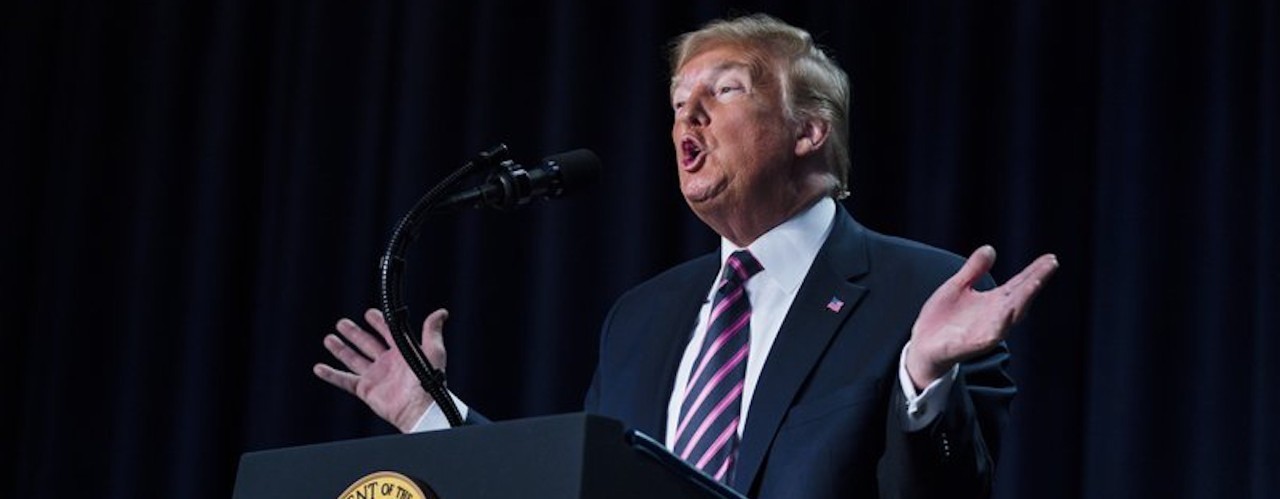
Featured image at top: President-elect Donald's trump pick to lead the Department of Health and Human Services, Robert F. Kennedy Jr., has generated controversy with some of his ideas. Photo/Associated Press.
Related Stories
Sugar overload killing hearts
November 10, 2025
Two in five people will be told they have diabetes during their lifetime. And people who have diabetes are twice as likely to develop heart disease. One of the deadliest dangers? Diabetic cardiomyopathy. But groundbreaking University of Cincinnati research hopes to stop and even reverse the damage before it’s too late.
Is going nuclear the solution to Ohio’s energy costs?
November 10, 2025

The Ohio Capital Journal recently reported that as energy prices continue to climb, economists are weighing the benefits of going nuclear to curb costs. The publication dove into a Scioto Analysis survey of 18 economists to weigh the pros and cons of nuclear energy. One economist featured was Iryna Topolyan, PhD, professor of economics at the Carl H. Lindner College of Business.
App turns smartwatch into detector of structural heart disease
November 10, 2025

An app that uses an AI model to read a single-lead ECG from a smartwatch can detect structural heart disease, researchers reported at the 2025 Scientific Sessions of the American Heart Association. Although the technology requires further validation, researchers said it could help improve the identification of patients with heart failure, valvular conditions and left ventricular hypertrophy before they become symptomatic, which could improve the prognosis for people with these conditions.