Ancient Maya built fish-trapping weirs in Belize
Discovery is first indication of aquaculture by ancient Maya

Live Science turned to a University of Cincinnati geography professor to understand the significance of the discovery of the first evidence of aquaculture among the ancient Maya.
Researchers at the University of New Hampshire discovered evidence of ancient fish-trap weirs in Belize. The ancient Maya dug a network of canals to steer fish into the weirs, providing the first evidence of aquaculture.
Researchers said the fish traps could have fed thousands of people.
UC College of Arts and Sciences Professor Emeritus Nicholas Dunning was not part of the research project but has studied the ancient Maya in Mexico and Guatemala. He said the study provides some answers to fundamental questions about how the ancient Maya thrived 4,000 years ago.
“Over the past several decades, quite a few scholars of the ancient Maya, including myself, have suggested that aquaculture may have played an important role in the development of Maya civilization,” Dunning said. “However, the present study is the first that I know of to specifically attempt to test this hypothesis.”
Dunning called the study an important work in helping scholars of the ancient Maya understand the origins of sedentary society in the region.
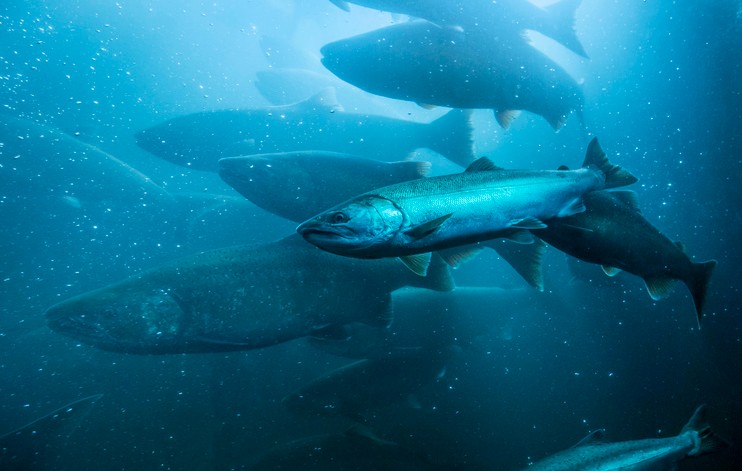
Featured image at top: Researchers discovered evidence of aquaculture by the ancient Maya in Belize thousands of year ago. Photo/Dave Alan

UC Professor Emeritus Nicholas Dunning spoke to Live Science about the discovery that the ancient Maya practiced aquaculture by catching fish in weirs. Photo/Joseph Fuqua II/UC
UC researchers reveal world of ancient Maya

UC student Jeff Brewer and UC Professor Nicholas Dunning work at an archaeological site in Mexico's Yucatan Peninsula. Photo/Provided
Related Stories
Sugar overload killing hearts
November 10, 2025
Two in five people will be told they have diabetes during their lifetime. And people who have diabetes are twice as likely to develop heart disease. One of the deadliest dangers? Diabetic cardiomyopathy. But groundbreaking University of Cincinnati research hopes to stop and even reverse the damage before it’s too late.
Is going nuclear the solution to Ohio’s energy costs?
November 10, 2025

The Ohio Capital Journal recently reported that as energy prices continue to climb, economists are weighing the benefits of going nuclear to curb costs. The publication dove into a Scioto Analysis survey of 18 economists to weigh the pros and cons of nuclear energy. One economist featured was Iryna Topolyan, PhD, professor of economics at the Carl H. Lindner College of Business.
App turns smartwatch into detector of structural heart disease
November 10, 2025

An app that uses an AI model to read a single-lead ECG from a smartwatch can detect structural heart disease, researchers reported at the 2025 Scientific Sessions of the American Heart Association. Although the technology requires further validation, researchers said it could help improve the identification of patients with heart failure, valvular conditions and left ventricular hypertrophy before they become symptomatic, which could improve the prognosis for people with these conditions.