Investigational medicine for Tourette syndrome promising
Medscape highlights UC, Children's researcher's findings

Medscape highlighted new research from the University of Cincinnati and Cincinnati Children's Hospital's Donald Gilbert that found a new drug reduces tic severity in children and adolescents with Tourette syndrome (TS) without exacerbating common psychiatric comorbidities.
Previous research found the drug called ecopipam reduced the primary endpoint of tic severity scores by 30% compared to placebo after 12 weeks, but it was unknown if the drug would affect the common comorbidities of attention-deficit/hyperactivity disorder (ADHD), anxiety, obsessive-compulsive disorder (OCD) and depression that are often present.
Gilbert, MD, professor in the Department of Pediatrics in UC's College of Medicine and a pediatric movement disorders and Tourette syndrome specialist at Cincinnati Children's Hospital's Division of Neurology, presented his findings at the International Congress of Parkinson's Disease and Movement Disorders 2024.
He told Medscape the two key findings were "first, that patients with a nonmotor diagnosis like depression or ADHD did not do any worse in terms of tic efficacy; and second, we didn't find any evidence that any of the nonmotor symptoms of Tourette's got worse with ecopipam."
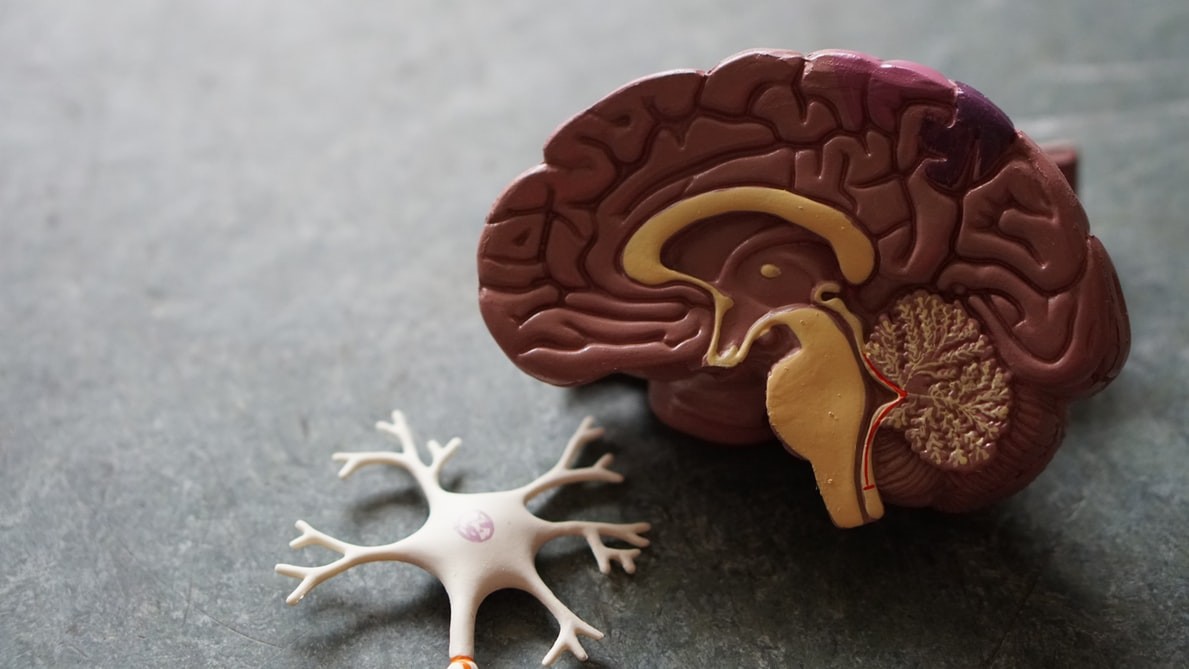
Featured photo at top of a model of a brain. Photo/Robina Weermeijer/Unsplash.
Related Stories
Sugar overload killing hearts
November 10, 2025
Two in five people will be told they have diabetes during their lifetime. And people who have diabetes are twice as likely to develop heart disease. One of the deadliest dangers? Diabetic cardiomyopathy. But groundbreaking University of Cincinnati research hopes to stop and even reverse the damage before it’s too late.
Is going nuclear the solution to Ohio’s energy costs?
November 10, 2025

The Ohio Capital Journal recently reported that as energy prices continue to climb, economists are weighing the benefits of going nuclear to curb costs. The publication dove into a Scioto Analysis survey of 18 economists to weigh the pros and cons of nuclear energy. One economist featured was Iryna Topolyan, PhD, professor of economics at the Carl H. Lindner College of Business.
App turns smartwatch into detector of structural heart disease
November 10, 2025

An app that uses an AI model to read a single-lead ECG from a smartwatch can detect structural heart disease, researchers reported at the 2025 Scientific Sessions of the American Heart Association. Although the technology requires further validation, researchers said it could help improve the identification of patients with heart failure, valvular conditions and left ventricular hypertrophy before they become symptomatic, which could improve the prognosis for people with these conditions.