Adding ketamine to fentanyl fails to reduce pain in trauma
Medscape highlights UC-led research study

Medscape highlighted research led by the University of Cincinnati's Jason McMullan, MD, that found adding intranasal ketamine to fentanyl does not improve pain scores in patients with out-of-hospital trauma injuries.
The research was recently published in the Annals of Emergency Medicine.
The team conducted a randomized clinical trial of 192 patients requiring out-of-hospital pain medication for acute traumatic injuries. Participants received standard care treatment with fentanyl followed by a single intranasal dose of either 50 mg of ketamine or a placebo.
Researchers found there was no statistically significant difference between the ketamine and placebo groups, and pain over 3 hours of emergency department care did not differ at any point between the two groups.
"Although adding intranasal ketamine did not prove effective in any measured outcome, ketamine did not increase the risk of important adverse events. Importantly, we observed no difference in sedation after receiving ketamine and fentanyl, and no episodes of laryngospasm or emergence phenomenon occurred," the study authors wrote.
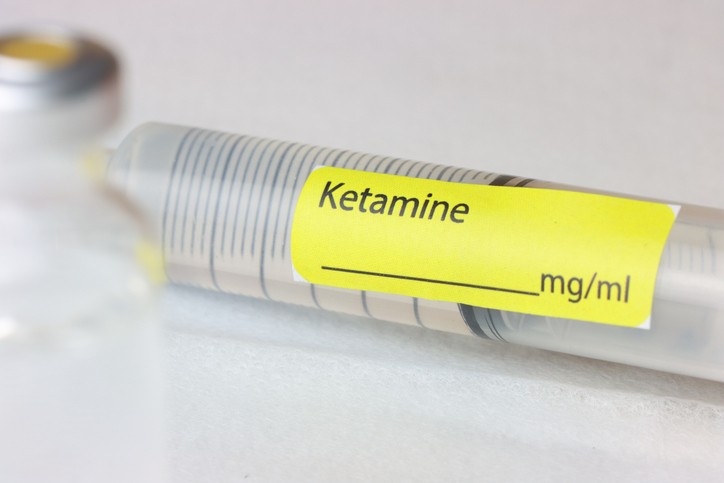
Featured photo at top of ketamine vial. Photo/Jennifer Fontan/iStock.
Related Stories
Sugar overload killing hearts
November 10, 2025
Two in five people will be told they have diabetes during their lifetime. And people who have diabetes are twice as likely to develop heart disease. One of the deadliest dangers? Diabetic cardiomyopathy. But groundbreaking University of Cincinnati research hopes to stop and even reverse the damage before it’s too late.
Is going nuclear the solution to Ohio’s energy costs?
November 10, 2025

The Ohio Capital Journal recently reported that as energy prices continue to climb, economists are weighing the benefits of going nuclear to curb costs. The publication dove into a Scioto Analysis survey of 18 economists to weigh the pros and cons of nuclear energy. One economist featured was Iryna Topolyan, PhD, professor of economics at the Carl H. Lindner College of Business.
App turns smartwatch into detector of structural heart disease
November 10, 2025

An app that uses an AI model to read a single-lead ECG from a smartwatch can detect structural heart disease, researchers reported at the 2025 Scientific Sessions of the American Heart Association. Although the technology requires further validation, researchers said it could help improve the identification of patients with heart failure, valvular conditions and left ventricular hypertrophy before they become symptomatic, which could improve the prognosis for people with these conditions.