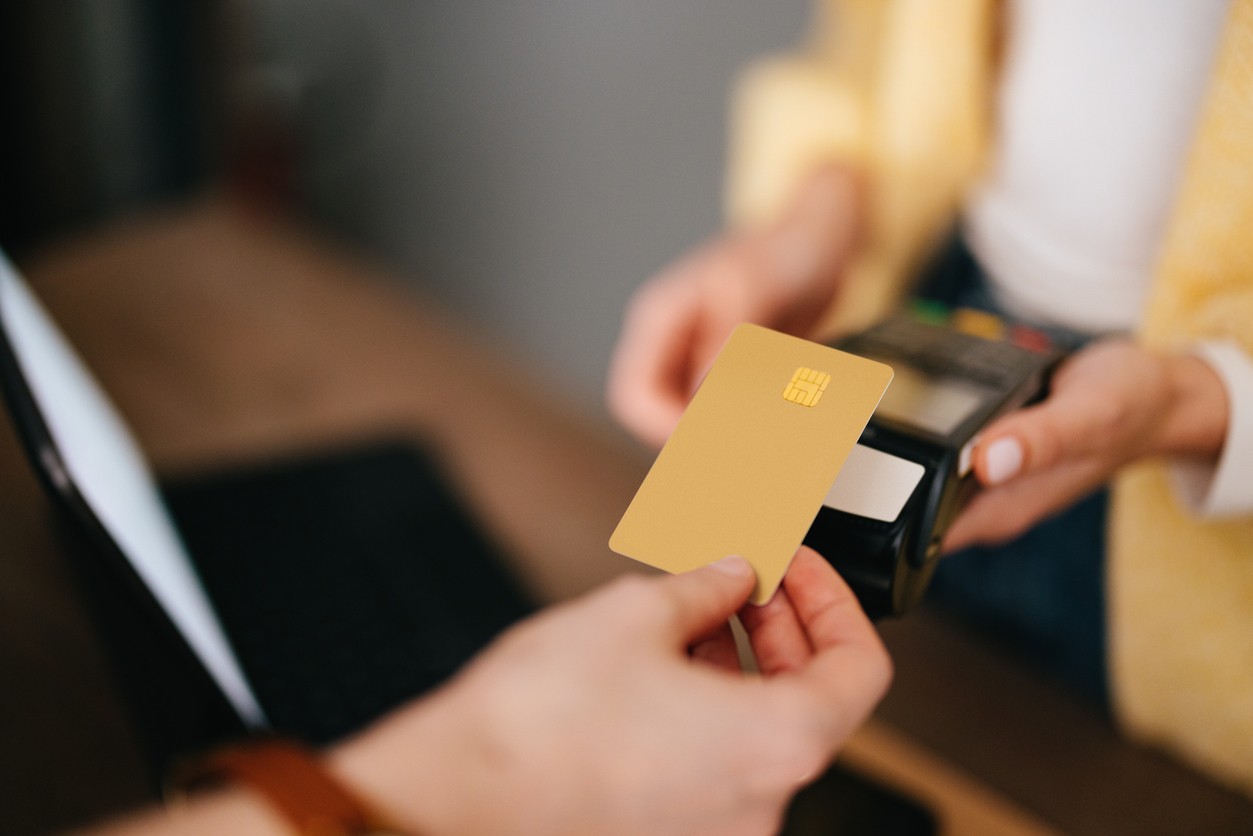
WalletHub: 5 best chip and pin credit cards

In a WalletHub story identifying the best chip and pin credit cards for consumers, Cincinnati Law’s Susan Stephan, Director of the MLS Program, provided expert commentary about the adoption of chip and pin credit cards in the United States.
“The adoption of chip-and-PIN credit cards has been relatively slow in the U.S., particularly compared to other countries including Canada, Japan, and - notably - the European Union,” said Stephan. “Although more secure than chip and signature cards that still dominate the U.S., upgrading payment systems to support chip-and-PIN can be expensive for businesses, and there has not yet been a significant consumer push for the technology.”
A chip and PIN credit card is a card that contains a small computer chip and gives users a 4-digit personal identification number (PIN) to enter when making purchases. Chip and PIN credit cards provide improved security compared to chip and signature cards and magnetic stripe cards.
In the WalletHub article, Stephan also addressed the biggest misconceptions about “chip” cards, using the cards internationally, and the safety of chip and pin cards versus other types.
Read Stephan’s full interview: "5 Best Chip and Pin Credit Cards".
Lead photo: istockphoto.com
Related Stories
Sugar overload killing hearts
November 10, 2025
Two in five people will be told they have diabetes during their lifetime. And people who have diabetes are twice as likely to develop heart disease. One of the deadliest dangers? Diabetic cardiomyopathy. But groundbreaking University of Cincinnati research hopes to stop and even reverse the damage before it’s too late.
Is going nuclear the solution to Ohio’s energy costs?
November 10, 2025

The Ohio Capital Journal recently reported that as energy prices continue to climb, economists are weighing the benefits of going nuclear to curb costs. The publication dove into a Scioto Analysis survey of 18 economists to weigh the pros and cons of nuclear energy. One economist featured was Iryna Topolyan, PhD, professor of economics at the Carl H. Lindner College of Business.
App turns smartwatch into detector of structural heart disease
November 10, 2025

An app that uses an AI model to read a single-lead ECG from a smartwatch can detect structural heart disease, researchers reported at the 2025 Scientific Sessions of the American Heart Association. Although the technology requires further validation, researchers said it could help improve the identification of patients with heart failure, valvular conditions and left ventricular hypertrophy before they become symptomatic, which could improve the prognosis for people with these conditions.