
Study: Mobile app therapy leads to significant improvement in fibromyalgia management
Clinical trial results published in The Lancet

New research led by the University of Cincinnati and Swing Therapeutics found that a self-guided smartphone-based behavioral therapy led to significant improvements for patients with fibromyalgia.

Lesley Arnold, MD. Photo/University of Cincinnati.
The multicenter, randomized controlled trial tested Stanza, a smartphone app that delivers acceptance and commitment therapy (ACT), a type of cognitive behavioral therapy recommended by international clinical guidelines for fibromyalgia management, with the results of the study published July 8 in The Lancet.
Fibromyalgia is a chronic pain condition that affects an estimated 10 million Americans, a majority of whom are women. The condition is characterized by widespread pain and other physical and cognitive symptoms that include fatigue, disrupted sleep, reduced physical function, memory problems and difficulty concentrating (“brain fog”). It is often accompanied by anxiety and depression.
The Phase 3 PROSPER-FM trial clinically validated Stanza’s benefits, including improvements in well-being, fibromyalgia severity and major fibromyalgia symptoms, including pain intensity, pain interference, fatigue, sleep disturbance, depression and physical function. This study is the largest medical device study for fibromyalgia ever undertaken.
“For millions of people with fibromyalgia, this study, published in The Lancet, describes a new and effective therapy for fibromyalgia,” said Lesley Arnold, MD, study principal investigator and professor emerita at the University of Cincinnati College of Medicine. “This novel, non-drug therapy, available using a smartphone, makes management of fibromyalgia more accessible and convenient. This offers new hope for people with fibromyalgia, who have continued to experience unmet treatment needs.”
In the 12-week trial, 275 participants were randomized to receive either Stanza treatment or a digital symptom tracker control. At week 12, 70.6% of participants in the Stanza arm reported an improvement on Patient Global Impression in Change, which measures patient well-being.
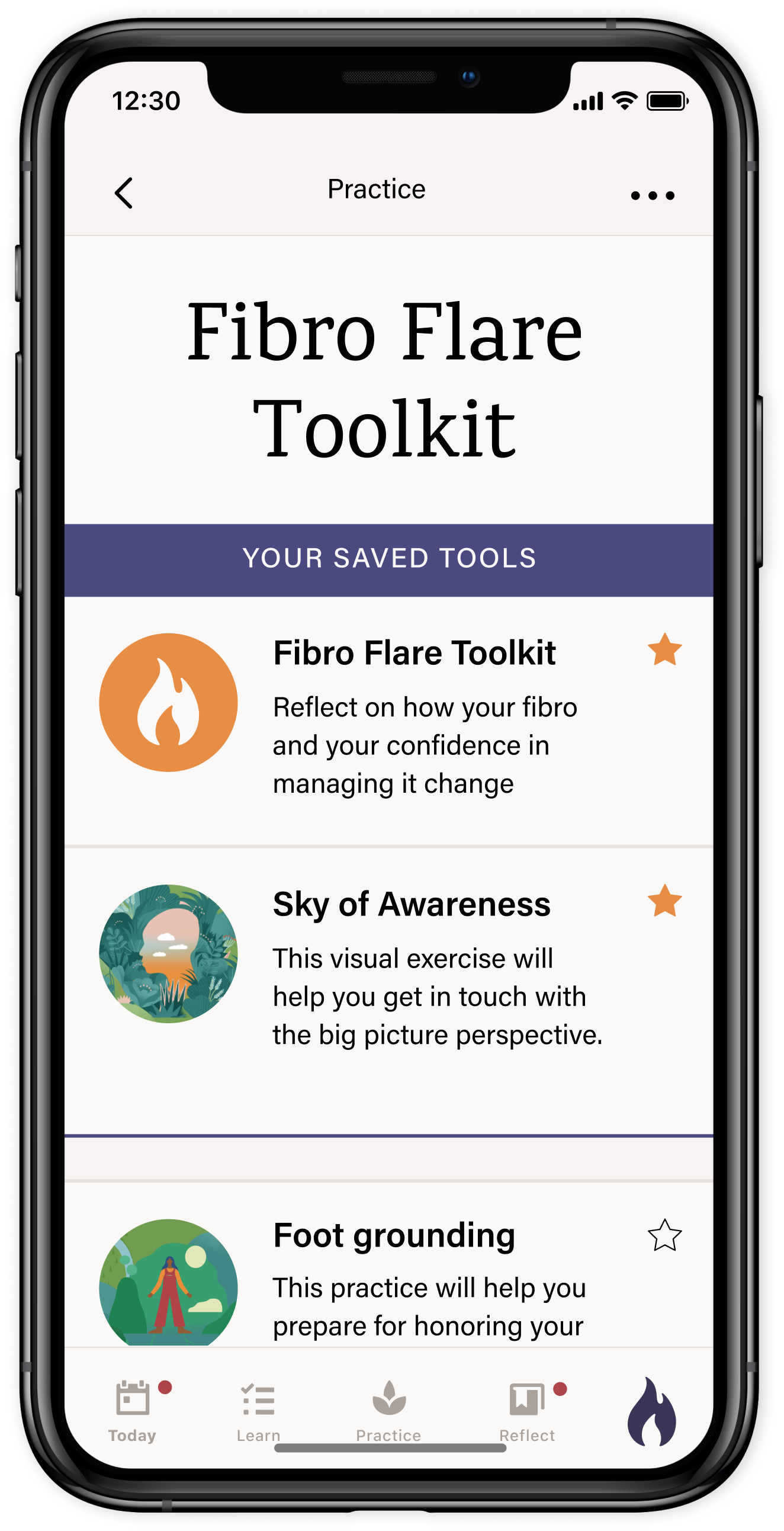
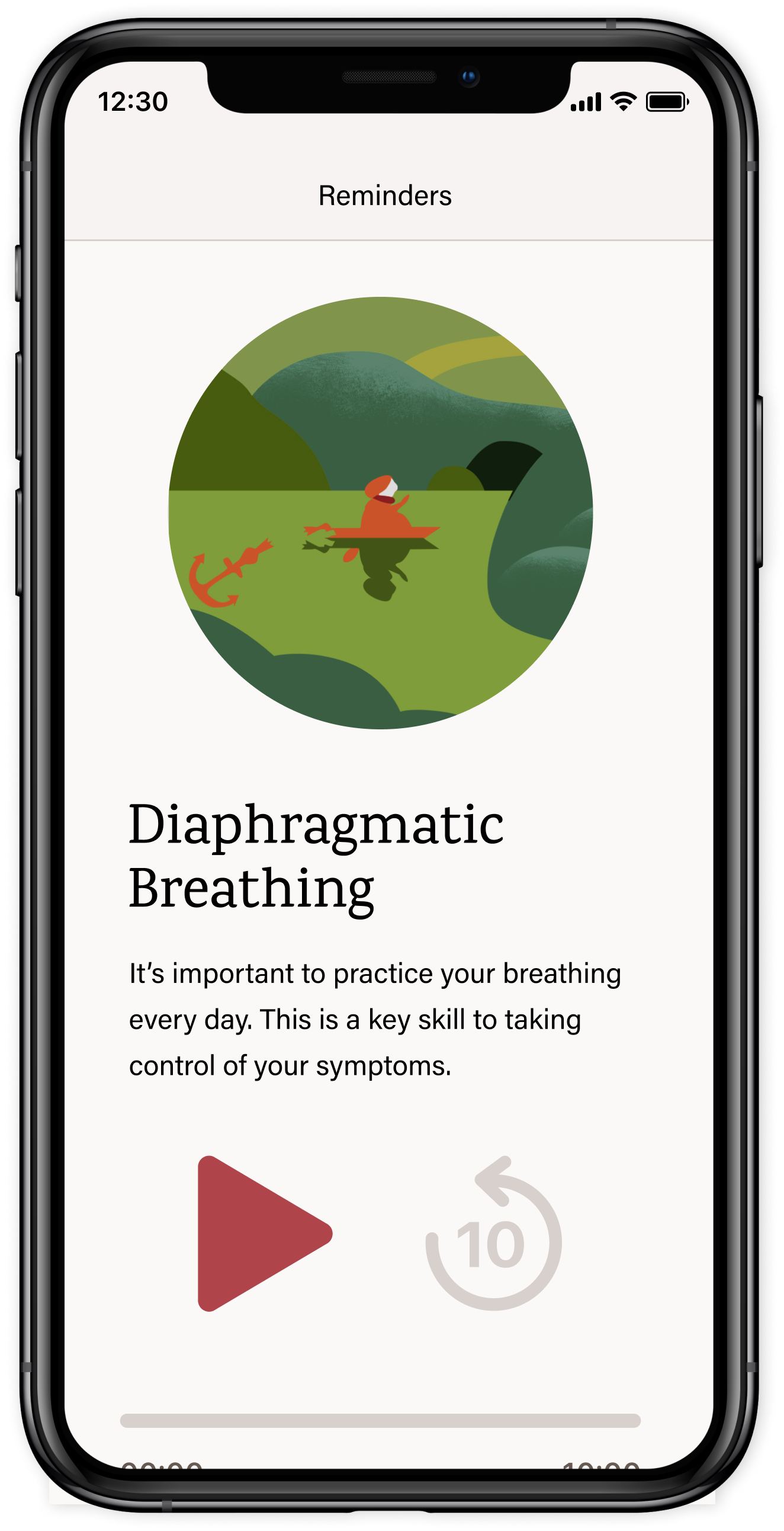
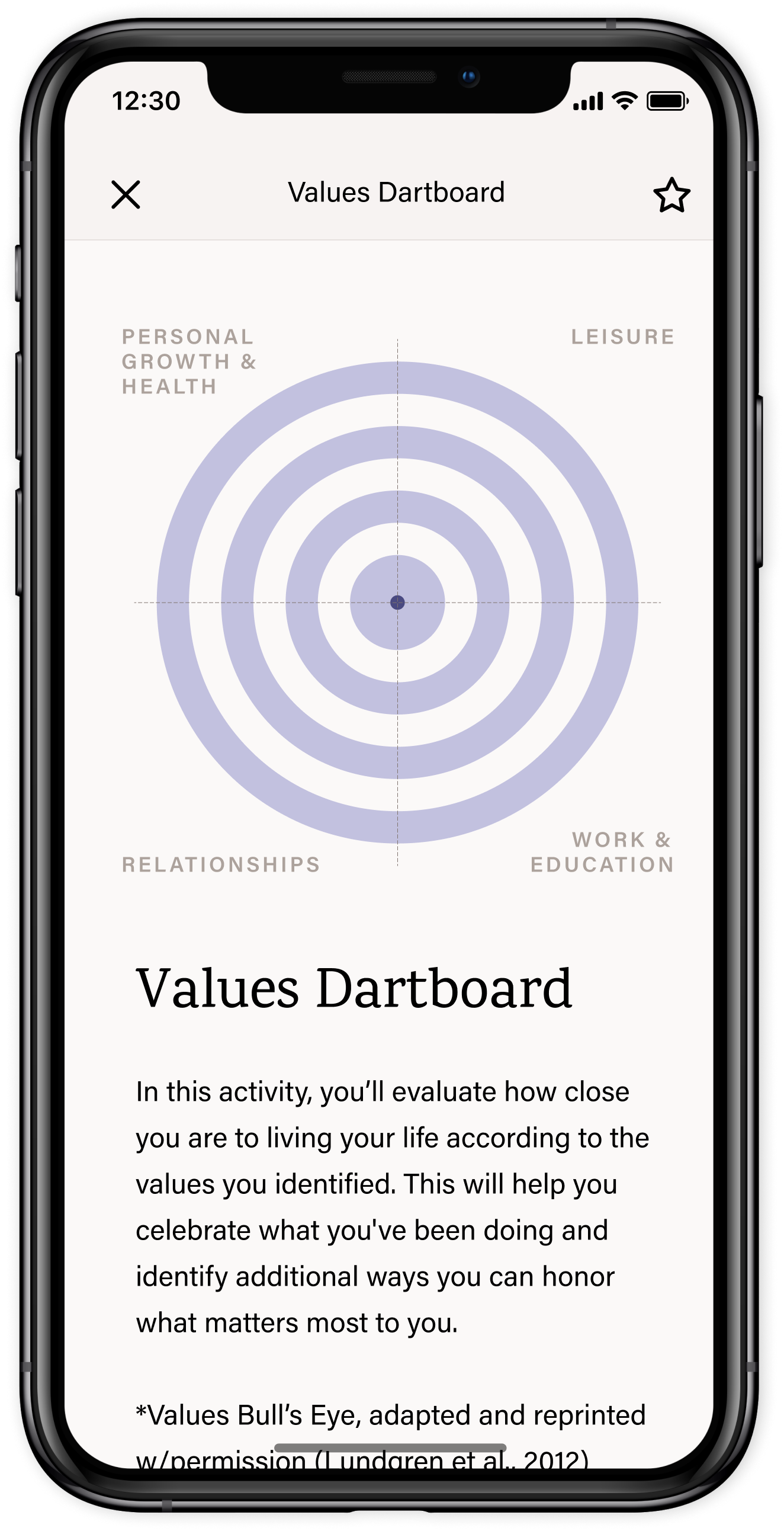
Above: Screenshots of the Stanza app that guides patients with fibromyalgia through various evidence-based acceptance and commitment therapy activities. Photos provided by Swing Therapeutics.
Stanza also exhibited statistically greater improvement compared to the control on fibromyalgia-related symptoms, function and impact, as well as pain intensity, pain interference, fatigue, sleep disturbance and depression, with no treatment-related adverse events observed.
“Fibromyalgia options are typically limited to a handful of pharmacological interventions that have limited efficacy and that can come with difficult-to-manage side effects,” said Mike Rosenbluth, CEO of Swing. “This publication validates Stanza as a guideline-directed non-drug approach that many patients previously couldn’t access due to few available trained clinicians, geographic limitations and cost.
Impact Lives Here
The University of Cincinnati is leading public urban universities into a new era of innovation and impact. Our faculty, staff and students are saving lives, changing outcomes and bending the future in our city's direction. Next Lives Here.
Featured photo at top: A person holds a phone displaying the Stanza app. Photo provided by Swing Therapeutics.
Related Stories
Sugar overload killing hearts
November 10, 2025
Two in five people will be told they have diabetes during their lifetime. And people who have diabetes are twice as likely to develop heart disease. One of the deadliest dangers? Diabetic cardiomyopathy. But groundbreaking University of Cincinnati research hopes to stop and even reverse the damage before it’s too late.
Is going nuclear the solution to Ohio’s energy costs?
November 10, 2025

The Ohio Capital Journal recently reported that as energy prices continue to climb, economists are weighing the benefits of going nuclear to curb costs. The publication dove into a Scioto Analysis survey of 18 economists to weigh the pros and cons of nuclear energy. One economist featured was Iryna Topolyan, PhD, professor of economics at the Carl H. Lindner College of Business.
App turns smartwatch into detector of structural heart disease
November 10, 2025

An app that uses an AI model to read a single-lead ECG from a smartwatch can detect structural heart disease, researchers reported at the 2025 Scientific Sessions of the American Heart Association. Although the technology requires further validation, researchers said it could help improve the identification of patients with heart failure, valvular conditions and left ventricular hypertrophy before they become symptomatic, which could improve the prognosis for people with these conditions.