Diabetes, heart problems and kidney disease are closely linked
UC expert discusses prevention in New York Times article

Heart disease, diabetes and kidney disease, among the most common chronic illnesses in the United States, are all closely connected.
People with diabetes are twice as likely to have heart disease or a stroke and are at risk of developing kidney disease, while heart disease is more likely for those with kidney problems as the heart works harder to pump blood to the kidneys.
The New York Times reports people should pay attention to shared risk factors for these illnesses, including excess body fat, uncontrolled blood sugar, high blood pressure and high cholesterol.
The University of Cincinnati's Estrelita Dixon, MD, commented in the New York Times article on the importance of prevention.
Preventive measures can include adding more fiber, fruit and vegetables to your diet to regulate blood sugar and lower blood pressure and increasing muscle mass through strength training to help with insulin resistance. Just moving in general can be beneficial, and experts recommend aiming for 150 minutes of exercise each week, but Dixon noted gradual steps can still make a difference.
“Don’t think in terms of all or nothing,” said Dixon, division chief and associate professor in the Department of Internal Medicine in UC's College of Medicine.
Read the New York Times story. (Note: Subscription may be required to access full article.)
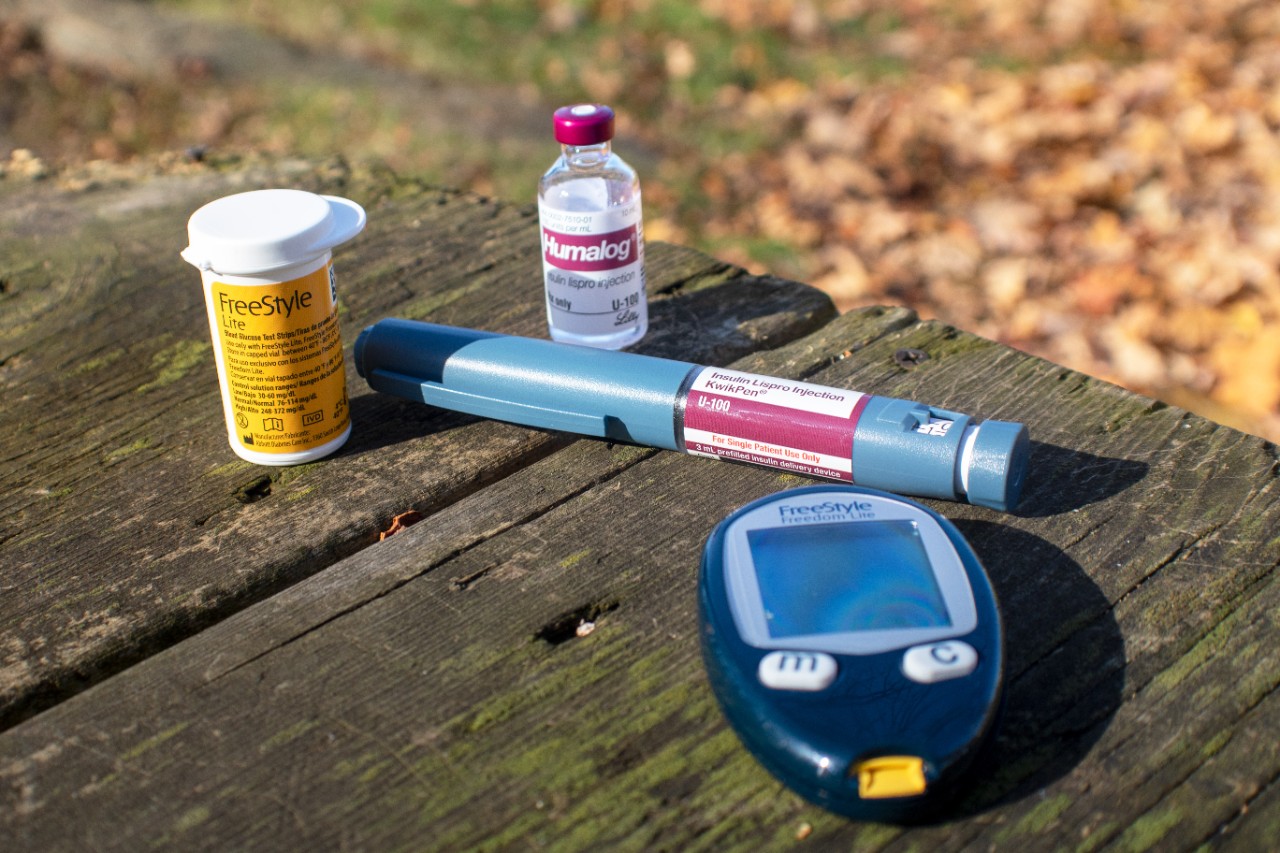
Featured image at top of diabetes testing supplies. Photo/David Moruzzi/Unsplash.
Related Stories
Sugar overload killing hearts
November 10, 2025
Two in five people will be told they have diabetes during their lifetime. And people who have diabetes are twice as likely to develop heart disease. One of the deadliest dangers? Diabetic cardiomyopathy. But groundbreaking University of Cincinnati research hopes to stop and even reverse the damage before it’s too late.
Is going nuclear the solution to Ohio’s energy costs?
November 10, 2025

The Ohio Capital Journal recently reported that as energy prices continue to climb, economists are weighing the benefits of going nuclear to curb costs. The publication dove into a Scioto Analysis survey of 18 economists to weigh the pros and cons of nuclear energy. One economist featured was Iryna Topolyan, PhD, professor of economics at the Carl H. Lindner College of Business.
App turns smartwatch into detector of structural heart disease
November 10, 2025

An app that uses an AI model to read a single-lead ECG from a smartwatch can detect structural heart disease, researchers reported at the 2025 Scientific Sessions of the American Heart Association. Although the technology requires further validation, researchers said it could help improve the identification of patients with heart failure, valvular conditions and left ventricular hypertrophy before they become symptomatic, which could improve the prognosis for people with these conditions.