WLWT: Tips to fight off bad allergy symptoms

The University of Cincinnati's Ahmad Sedaghat spoke with WLWT about how Cincinnati's geography tends to make allergy symptoms worse and tips to fight off those symptoms.
"Constantly getting pollen released into the air because our warmer seasons are longer" contributes to worse allergy symptoms in Cincinnati, said Sedaghat, MD, PhD, director of the Division of Rhinology, Allergy and Anterior Skull Base Surgery Otolaryngology, Head & Neck Surgery at the UC College of Medicine. "The second thing is we also have a more humid climate because we're in the Ohio River Valley. So that also not only promotes growth of plants, but also promotes the presence of molds."
While Cincinnati allergy season seems to get worse each year, Sedaghat said there are ways to protect yourself.
"Typically [I] tell people to start with antihistamine and the nasal steroid," Sedaghat said. "Beyond that I say, typically, talk to your physician if you're still struggling beyond that. But in the end, sometimes we do refer to an allergist and say, 'Well, maybe its time to do an allergy shot.'"
Sedaghat added it is key to begin taking medicine before starting to have symptoms. And when coming in from outside, wash your hands or shower to get the pollen off of you to avoid tracking it around your home.
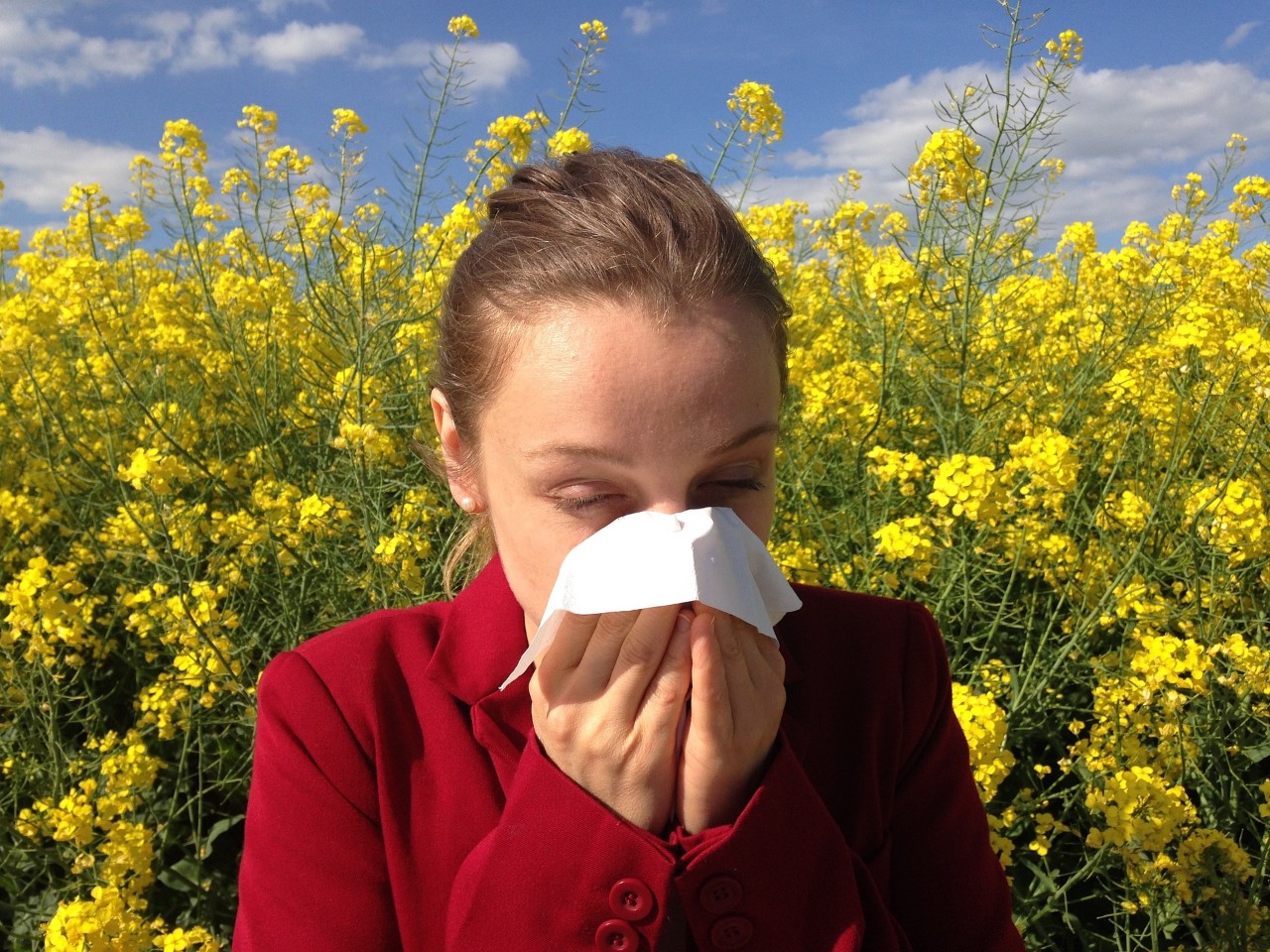
Featured photo at top of woman sneezing/Corina/Pixabay.
Related Stories
Sugar overload killing hearts
November 10, 2025
Two in five people will be told they have diabetes during their lifetime. And people who have diabetes are twice as likely to develop heart disease. One of the deadliest dangers? Diabetic cardiomyopathy. But groundbreaking University of Cincinnati research hopes to stop and even reverse the damage before it’s too late.
Is going nuclear the solution to Ohio’s energy costs?
November 10, 2025

The Ohio Capital Journal recently reported that as energy prices continue to climb, economists are weighing the benefits of going nuclear to curb costs. The publication dove into a Scioto Analysis survey of 18 economists to weigh the pros and cons of nuclear energy. One economist featured was Iryna Topolyan, PhD, professor of economics at the Carl H. Lindner College of Business.
App turns smartwatch into detector of structural heart disease
November 10, 2025

An app that uses an AI model to read a single-lead ECG from a smartwatch can detect structural heart disease, researchers reported at the 2025 Scientific Sessions of the American Heart Association. Although the technology requires further validation, researchers said it could help improve the identification of patients with heart failure, valvular conditions and left ventricular hypertrophy before they become symptomatic, which could improve the prognosis for people with these conditions.