NatGeo: UC discoveries featured in new series on ancient Maya
UC archaeologists talk about ingenuity of Maya in Tikal in National Geographic series

National Geographic's new series “The Rise and Fall of the Maya” features discoveries made in Tikal and other sites by researchers at the University of Cincinnati.
In the series' third episode titled “Collapse,” UC College of Arts and Sciences Professor David Lentz discusses their findings about ancient Maya water filtration in the city.
The ancient Maya in Central America were known for ingenious engineering, sophisticated writing and astronomy.
“All of these things are hallmarks of a great society,” Lentz said.
A team of UC researchers has been applying new scientific techniques to unlock the secrets of the ancient civilization. They discovered sophisticated water filtration systems that used a mineral called zeolite to provide clean drinking water. Paradoxically, some reservoirs in the city center also contained toxic levels of mercury and cyanobacteria.
More recently, UC has been using the latest molecular tools to examine environmental DNA from archaeological sites at Tikal and other ancient Mayan cities.
Lentz, an archaeobotanist in UC's Department of Biology, has been working with longtime collaborators, including UC Professors Emeritus Vernon Scarborough and Nicholas Dunning and UC College of Medicine Professor Emerita Alison Weiss.
Researchers spoke to Lentz at the ancient city of Calakmul in Mexico. The National Geographic episode documented the team's analysis of samples taken from Tikal in a biology lab back on UC's campus.
“This is the exciting moment. We get to see if all of that work has resulted in DNA in our samples. I have high hopes,” Lentz says on the show as botanist and UC Associate Professor Eric Tepe brings up the results on a machine.
“The remarkable thing is that in these two microliters we measured, there can be DNA from hundreds and hundreds of plant species,” Tepe told National Geographic.
Watch the National Geographic episode.
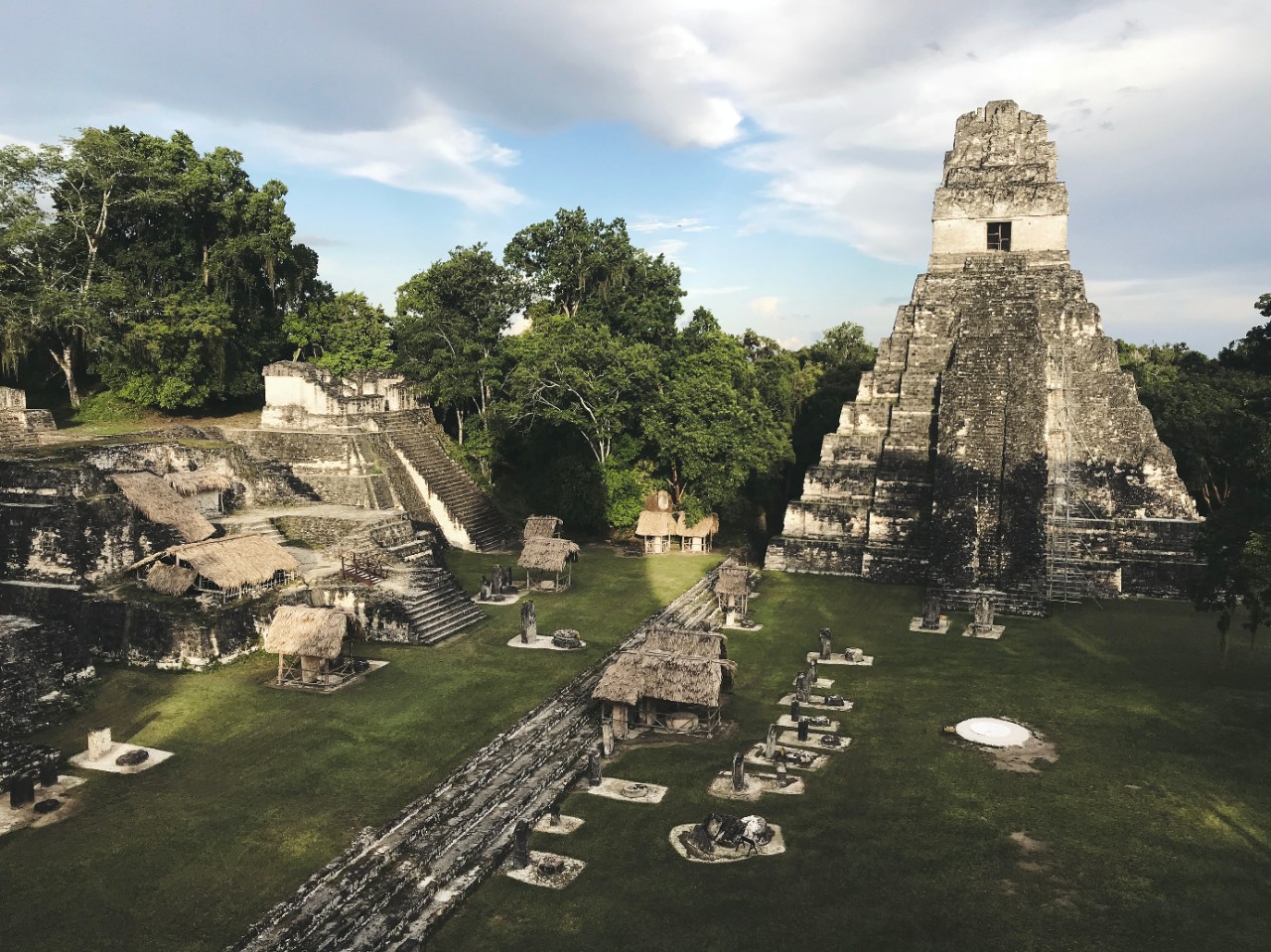
Featured image at top: UC's archaeology at Tikal and other ancient Mayan sites is featured in National Geographic's new series. Photo/Jimmy Baum

UC researchers Nicholas Dunning, Vernon Scarborough and David Lentz take sediment samples at the ancient Maya city of Tikal. Photo/Liwy Grazioso Sierra
Related Stories
Sugar overload killing hearts
November 10, 2025
Two in five people will be told they have diabetes during their lifetime. And people who have diabetes are twice as likely to develop heart disease. One of the deadliest dangers? Diabetic cardiomyopathy. But groundbreaking University of Cincinnati research hopes to stop and even reverse the damage before it’s too late.
Is going nuclear the solution to Ohio’s energy costs?
November 10, 2025

The Ohio Capital Journal recently reported that as energy prices continue to climb, economists are weighing the benefits of going nuclear to curb costs. The publication dove into a Scioto Analysis survey of 18 economists to weigh the pros and cons of nuclear energy. One economist featured was Iryna Topolyan, PhD, professor of economics at the Carl H. Lindner College of Business.
App turns smartwatch into detector of structural heart disease
November 10, 2025

An app that uses an AI model to read a single-lead ECG from a smartwatch can detect structural heart disease, researchers reported at the 2025 Scientific Sessions of the American Heart Association. Although the technology requires further validation, researchers said it could help improve the identification of patients with heart failure, valvular conditions and left ventricular hypertrophy before they become symptomatic, which could improve the prognosis for people with these conditions.