Breaking barriers: UC grad students cultivate diversity in chemistry
Graduate consortium celebrates 10 years of cultural change in STEMM
Fiona Wasson had always been drawn to breaking barriers. She came to the University of Cincinnati in 2021 to earn her doctorate in chemistry, determined to form an organization for new women in science, technology, engineering, math and medicine, or STEMM.
Little did she know she would discover a graduate consortium driven to foster a culture of excellence rich with diversity.
Now, the UC Consortium for Cultural Diversity in Chemistry is nearing its 10th anniversary with Wasson as its president.
The consortium was established in 2014 in the chemistry department of UC’s College of Arts and Sciences. Founders DeVonna Gatlin, a UC doctoral student, and chemistry Professor James Mack, now dean of the College of Arts and Sciences, hoped this new organization would provide underrepresented individuals a platform to excel in their respective scientific fields and to become mentors for generations to follow, Gatlin said.
These efforts have come to life through internal resources, cultural outreach programs and philanthropic partnerships with other STEMM-based groups at UC.
Agents for inclusivity
According to Chemical & Engineering News, the chemistry workforce reported that 35% of chemists are women, and only 4% are Black. Hispanic or Latino people represent about 7% of working chemists.

Anntonette Perry. Photo/Provided
In these demographics, former president of the consortium Anntonette Perry saw a need to continue opening doors in chemistry to underrepresented minorities and women.
“My goal as the president of CCDC from 2020 to 2023, was to promote an inclusive graduate student organization,” Perry said.
“I wanted to provide a platform that catered to domestic and international students that showed impartiality and still celebrated diversity.
“Before becoming president, being a member of CCDC meant having a space to gather with people of color that I can relate to and speak on the experiences of being a woman of color in science,” Perry said.
Under Perry’s presidency, social events to foster communication between incoming graduate and senior graduate students were added to celebrate diversity and provide informative services in the department.
At the heart of the consortium lies students dedicated to maintaining the mission of diversity and inclusion.
A vibrant, supportive community

Fiona Wasson. Photo/Provided
For her part, Wasson says she found a vibrant hub of community and support in CCDC.
“Grad students have the unique opportunity to promote mentorship, visibility, celebration, addressing bias and stereotypes, collaborate with multidisciplinary backgrounds, and overall can provide access and support to others,” she says.
“For me, women supporting women for growth and resources has been a really strong resource in striving for advancement during my educational career,” said Wasson.
“CCDC itself is about being a place for communities to highlight varying backgrounds, perspectives, and journeys to better understand how to navigate our diverse world in conjunction with science.”
Driving better science
Since its inception, CCDC has caught the eyes of the chemistry department, and serves as an example for the other fields in STEMM.
“Increasing efforts like this across the college could also lead to more collaboration, and it does not have to be just natural sciences,” said Ryan White, divisional dean of natural sciences. “I think more consortiums can really lend to creating a sense of community.
“Seeing these efforts grow, and figuring out ways to support these efforts in in these groups, should be and will be a priority moving forward. We benefit when there are multiple different approaches in the room thinking through an experiment. I think this helps drive better science and better outcomes.”
Moving the chemistry community forward
Although the job is not finished for the consortium, the dozens of staff and students who have had their graduate years transformed will take their experiences and share them with the world.
“As we explore science, it is important to see topics from multiple perspectives which diversity adds to,” says Wasson. “This importance is clear also because when providing solutions for society, we must include all members as to not forget diverse needs for diverse people.”
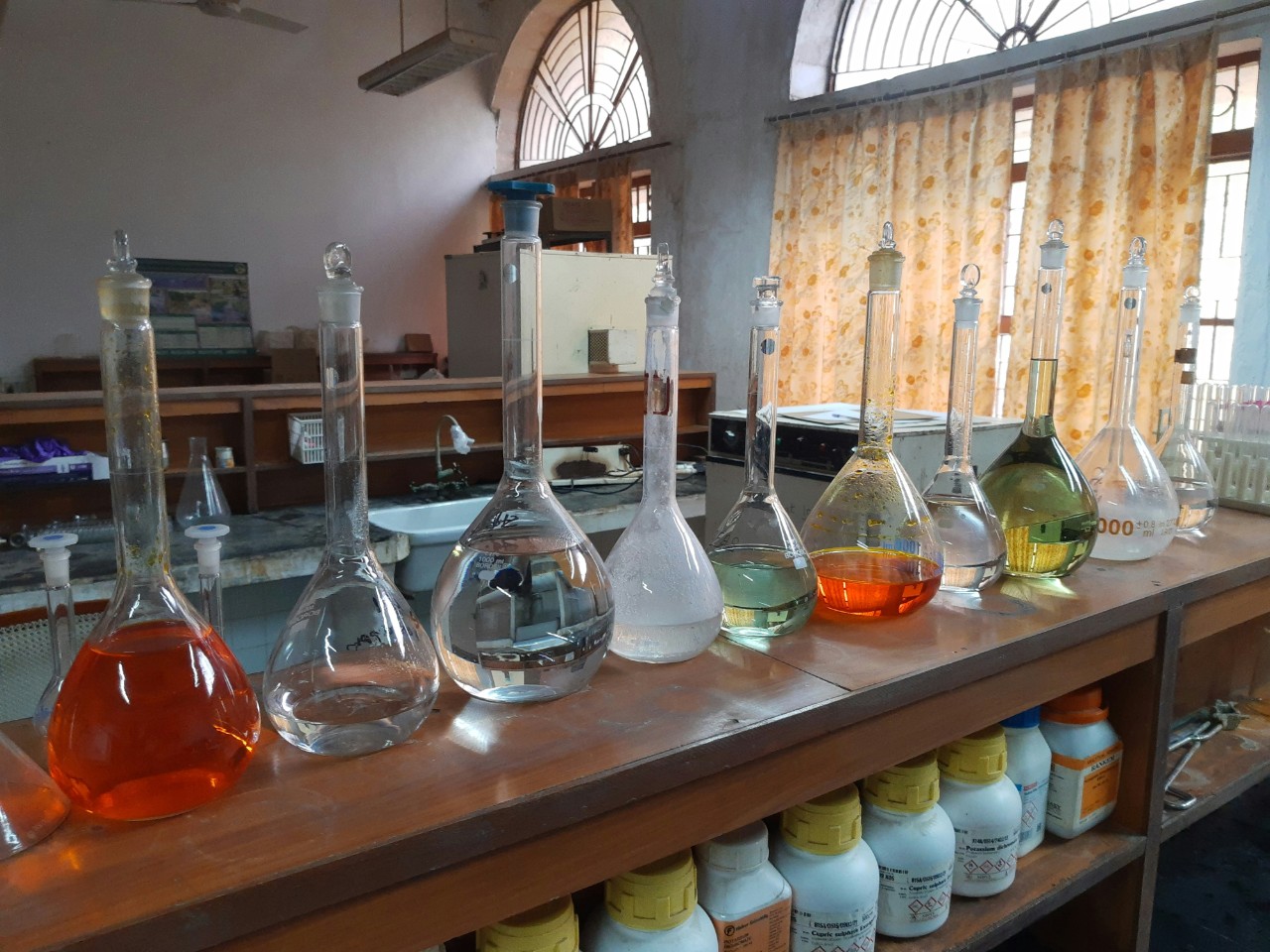
Featured image at top: UC's Consortium for Cultural Diversity in Chemistry is celebrating its 10th anniversary. Photo/Pawan Parihar/Unsplash.

Related Stories
How AI might help nonprofits
November 7, 2025
University of Cincinnati Professor Victoria LaPoe examined whether people respond differently to AI-created messaging in nonprofit advertising.
Shining like a disco ball: Rachel Hoermann’s story of finding passion and purpose at UC
November 6, 2025
Rachel Hoermann has dreamed of becoming a writer since childhood. But like many who grew up in Ohio’s rust belt, the idea of going to college felt out of reach. For years, she cycled through work that never quite satisfied her creative drive. That changed when she came across a box that once belonged to her father—a discovery that would alter the course of her life.
New hires reflect UC’s commitment to research, innovation and impact
November 6, 2025
With the 2025-26 school year in full swing, the College of Arts and Sciences has welcomed five faculty members to lead departments that span from chemistry to journalism. Dean James Mack said these new hires “reflect our unwavering commitment to ‘Discovery in Action,’ as we continue to enhance our academic and research excellence”. With these additions, the future of UC is in good hands, and students can look forward to new opportunities for learning, research, and innovation.