The New York Times: Using opera to shine a light on wrongful imprisonment
UC Law’s Ohio Innocence Project and signature opera highlighted in national article

“Blind Injustice,” an innovative opera based on the stories of six people freed through the work of the Ohio Innocence Project at the University of Cincinnati College of Law, has been featured in a February 15, 2024, New York Times article.
Wrote the author Javier Hernández, “Questions of prejudice, guilt and resilience run throughout “Blind Injustice,” composed by Scott Davenport Richards to a libretto by David Cote, which has its East Coast premiere on Friday (Feb. 16) at Peak Performances at Montclair State University.”
The opera, which was originally commissioned by the world-renowned Cincinnati Opera, premiered to national acclaim in 2019. It explores the effects of wrongful convictions on the prisoners and their families, and the help they received to overturn their convictions. The opera is based on the book “Blind Injustice,” authored by OIP co-founder and director, Professor Mark Godsey.
The opera “Blind Injustice” tells the story of Rickey Jackson, who spent 39 years in prison for a crime he did not commit; Nancy Smith, a Head Start bus driver falsely accused of molesting children and who spent more than 14 years in prison; Clarence Elkins, convicted of the murder of his mother-in-law and rape of her young granddaughter; and the East Cleveland 3: Laurese Glover, Eugene Johnson, and Derrick Wheatt, witnesses in a shooting who, despite tainted evidence, were convicted.
The Times article reported: “'Blind Injustice' offers a spirited call for reforms to the American criminal justice system, which is portrayed as callous, capricious and unrelenting. It is an opera about stories a society tells itself to justify routine dehumanization of its most vulnerable citizens.”
Exonerees Rickey Jackson and Nancy Smith, along with Professor Godsey will be in attendance at the New York premiere. In addition to experiencing the opera, the three will participate in a conversation with Godsey following the performances.
Read the New York Times article (Story exists behind a paywall).
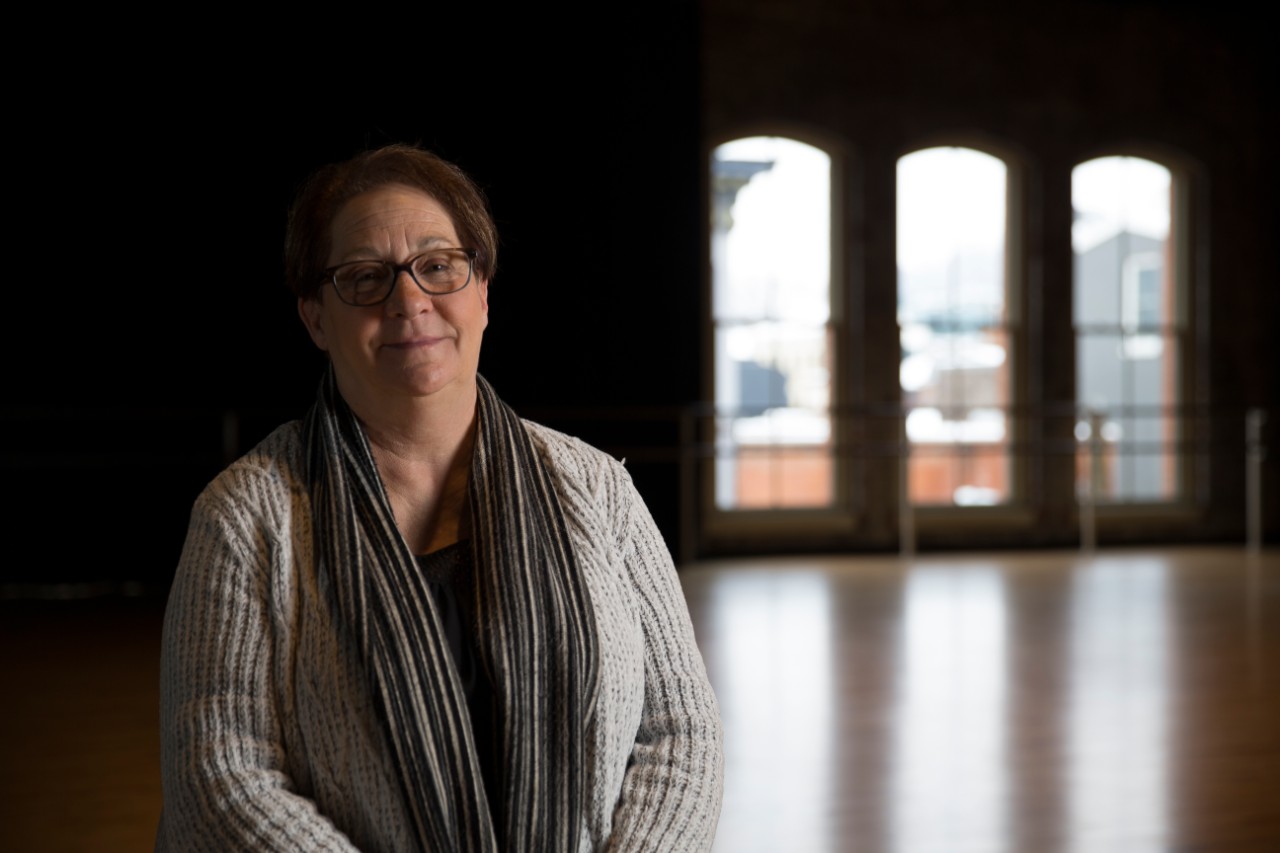
Featured image at top of Nancy Smith. Photo/Lisa Ventre/UC Marketing + Brand
Related Stories
UC launches Bearcats Affordability Grant
January 7, 2026
The University of Cincinnati is making college more attainable for students across Ohio with the creation of the Bearcats Affordability Grant. The new grant will provide a pathway to tuition-free college for students of families who make less than $75,000 per year. Beginning in fall 2026, the Bearcats Affordability Grant will cover the remaining cost of tuition for Ohio residents who are Pell eligible.
Sugar overload killing hearts
November 10, 2025
Two in five people will be told they have diabetes during their lifetime. And people who have diabetes are twice as likely to develop heart disease. One of the deadliest dangers? Diabetic cardiomyopathy. But groundbreaking University of Cincinnati research hopes to stop and even reverse the damage before it’s too late.
Is going nuclear the solution to Ohio’s energy costs?
November 10, 2025

The Ohio Capital Journal recently reported that as energy prices continue to climb, economists are weighing the benefits of going nuclear to curb costs. The publication dove into a Scioto Analysis survey of 18 economists to weigh the pros and cons of nuclear energy. One economist featured was Iryna Topolyan, PhD, professor of economics at the Carl H. Lindner College of Business.