Knowridge: Scientists turn greenhouse gas into plastics
UC engineering professor is developing new ways of making in-demand chemical

Knowridge Science Report highlighted a University of Cincinnati engineer's innovative methods to convert carbon dioxide into ethylene, a chemical compound that is used in diverse manufacturing processes around the world.
Associate Professor Jingjie Wu in UC's College of Engineering and Applied Science and his research partners developed an efficient method for converting carbon dioxide to ethylene, a key ingredient in plastics and many other uses.
Ethylene has been called “the world’s most important chemical,” used in everything from textiles to antifreeze to vinyl. The chemical industry generated 225 million metric tons of ethylene in 2022.
Wu said the process holds promise for one day producing ethylene through green energy instead of fossil fuels. It has the added benefit of removing carbon from the atmosphere.
His research team's findings were published in the journal Nature Chemical Engineering.
UC chemical engineering in the news

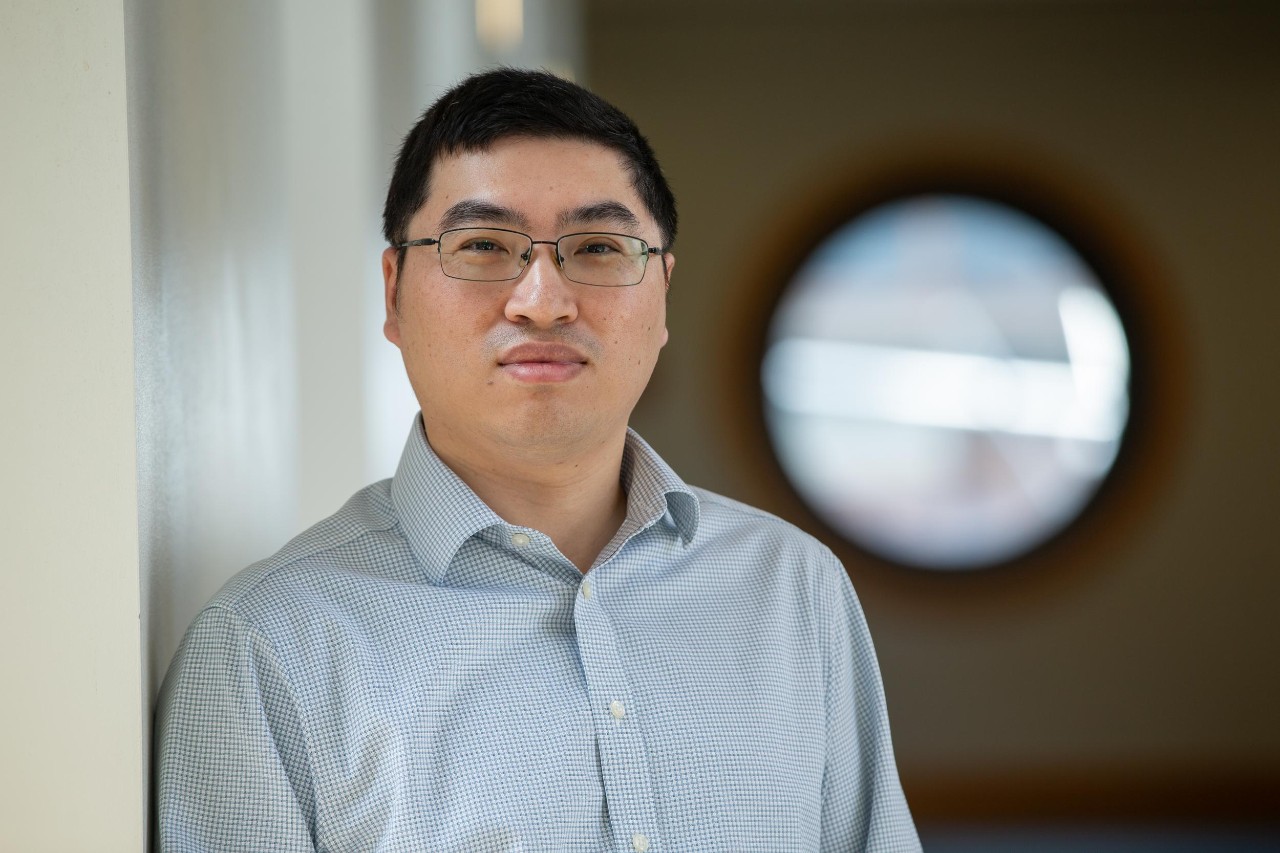
In his chemical engineering lab, Associate Professor Jingjie Wu is refining a process that converts carbon dioxide into ethylene. Photo/Andrew Higley/UC Marketing + Brand
- Technology Networks: Conversion turns greenhouse gas into ethylene
- Chemical Processing: UC researchers ID path to more efficient ethylene production
- AZO Cleantech: A system that is more effective in handling climate change
Related Stories
Sugar overload killing hearts
November 10, 2025
Two in five people will be told they have diabetes during their lifetime. And people who have diabetes are twice as likely to develop heart disease. One of the deadliest dangers? Diabetic cardiomyopathy. But groundbreaking University of Cincinnati research hopes to stop and even reverse the damage before it’s too late.
Is going nuclear the solution to Ohio’s energy costs?
November 10, 2025

The Ohio Capital Journal recently reported that as energy prices continue to climb, economists are weighing the benefits of going nuclear to curb costs. The publication dove into a Scioto Analysis survey of 18 economists to weigh the pros and cons of nuclear energy. One economist featured was Iryna Topolyan, PhD, professor of economics at the Carl H. Lindner College of Business.
App turns smartwatch into detector of structural heart disease
November 10, 2025

An app that uses an AI model to read a single-lead ECG from a smartwatch can detect structural heart disease, researchers reported at the 2025 Scientific Sessions of the American Heart Association. Although the technology requires further validation, researchers said it could help improve the identification of patients with heart failure, valvular conditions and left ventricular hypertrophy before they become symptomatic, which could improve the prognosis for people with these conditions.