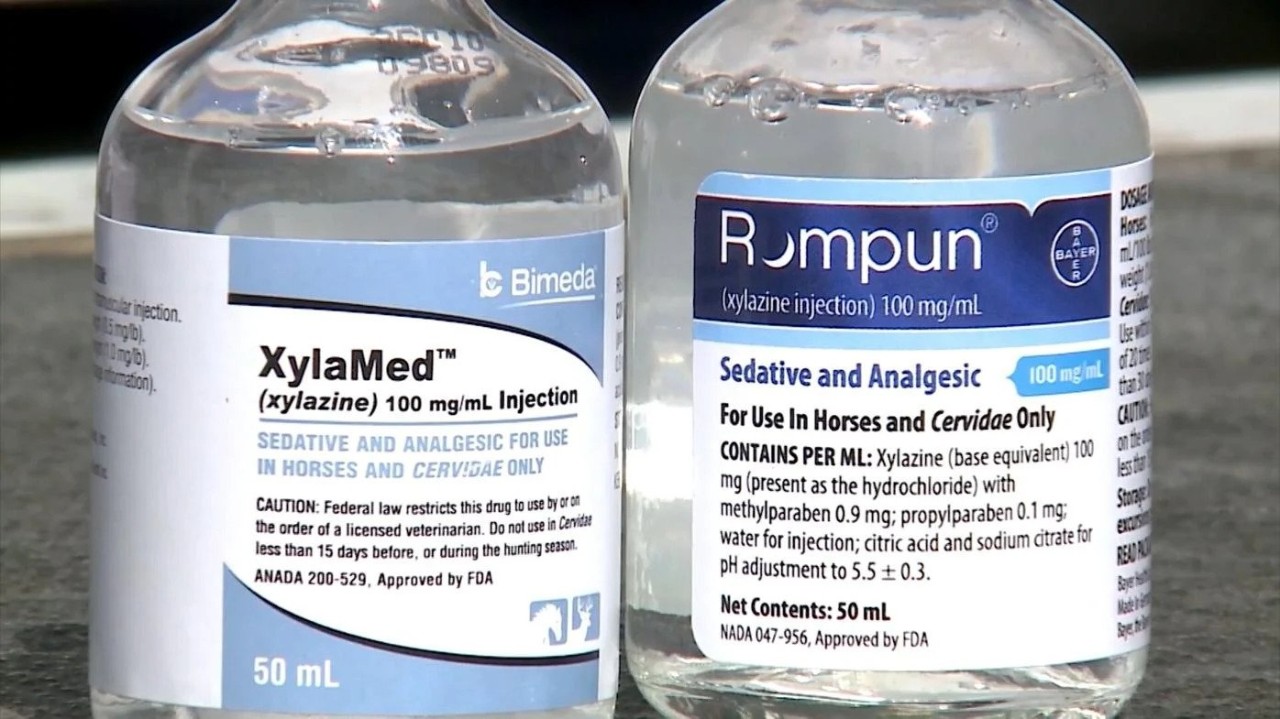
Cincinnati.com: Not just fentanyl. Animal tranquilizer xylazine is embedded in Ohio's drug supply
UC expert explains what xylazine does in the body

The Greater Cincinnati region finds itself on the forefront of another dangerous drug trend. Healthcare providers are reporting an increase in cases of the opioid drug fentanyl being tainted with xylazine, an animal sedative. Often called tranq dope, it’s the newest challenge in the opioid epidemic. The drug is cheap and easy to get, so sellers add it to their fentanyl supplies to multiply their profits. It is said to lengthen the euphoria effects for people who use drugs but causes chaotic health conditions.
In a story published by Cincinnati.com, several local experts were interviewed, including Richard Ryan, MD, of the Department of Emergency Medicine at the UC College of Medicine. He said the emergency department at the UC Medical Center is seeing an uptick of patients suffering from xylazine-related health crises.

Richard Ryan, MD, of the Department of Emergency Medicine in the UC College of Medicine/Photo/Colleen Kelley/UC Creative + Brand
“Don’t assume it’s safe,” he said. “Inhaling it, ingesting it, does not prevent you from getting the complications.”
The drug is often used to sedate cattle, sheep, horses or dogs, and is “very complicated,” Ryan said, as it attacks the body in multiple ways.
Xylazine decreases adrenaline, he said, causing sedation. That drop may lead to a dangerously slow heart rate, low blood pressure, respiratory depression and more. It can also narrow the microscopic arteries in the skin, decreasing blood supply to the skin and creating open sores, which can become gaping wounds.
The sores may appear anywhere on the body, according to medical articles. Unlike injection sores that intravenous drug users may suffer from, xylazine wounds are a systemic effect of the drug itself. And as the open wounds progress, the tissue affected can die, Cincinnati.com reported.
A xylazine overdose is harder to reverse because it does not react to naloxone, and bystanders who try to revive someone might not realize what’s going on. Ryan said people still should use naloxone if they see someone who appears to be overdosing. They have often ingested fentanyl, too.
If that doesn’t work, “call 911,” Ryan said. “Start CPR.”
Read the entire story here. Subscription may be required to access the article.
Lead photo/SBG Health/WebMD
Next Lives Here
The University of Cincinnati is classified as a Research 1 institution by the Carnegie Commission and is ranked in the National Science Foundation's Top-35 public research universities. UC's graduate students and faculty investigate problems and innovate solutions with real-world impact. Next Lives Here.
Related Stories
Sugar overload killing hearts
November 10, 2025
Two in five people will be told they have diabetes during their lifetime. And people who have diabetes are twice as likely to develop heart disease. One of the deadliest dangers? Diabetic cardiomyopathy. But groundbreaking University of Cincinnati research hopes to stop and even reverse the damage before it’s too late.
Is going nuclear the solution to Ohio’s energy costs?
November 10, 2025

The Ohio Capital Journal recently reported that as energy prices continue to climb, economists are weighing the benefits of going nuclear to curb costs. The publication dove into a Scioto Analysis survey of 18 economists to weigh the pros and cons of nuclear energy. One economist featured was Iryna Topolyan, PhD, professor of economics at the Carl H. Lindner College of Business.
App turns smartwatch into detector of structural heart disease
November 10, 2025

An app that uses an AI model to read a single-lead ECG from a smartwatch can detect structural heart disease, researchers reported at the 2025 Scientific Sessions of the American Heart Association. Although the technology requires further validation, researchers said it could help improve the identification of patients with heart failure, valvular conditions and left ventricular hypertrophy before they become symptomatic, which could improve the prognosis for people with these conditions.