Physics World: Engineered bacteria attract cancer-killing radioisotopes into tumors

Physics World recently highlighted research from the University of Cincinnati's James L. Winkle College of Pharmacy led by Nalinikanth Kotagiri, PhD.
The research focuses on delivering a cancer treatment called radionuclide therapy, which is typically delivered in a targeted way, with cancer-killing radiation binding to cancer cells through receptors on the cell surface to spare as many surrounding healthy cells as possible.
To bring this treatment to cells where there are no targets to bind to, the research team engineered a unique strain of probiotic bacteria that over expresses a unique transporter that binds and concentrates metals, particularly copper, inside the bacteria. This process is facilitated by molecules known as siderophores that bind to metals.
Because the radionuclide is made of copper, the siderophore molecule latches onto it, making the targeted agent, which then binds to the bacterial transporter similarly to how antibodies bind to other receptors for traditional targeted therapy.
“As long as these engineered bacteria are inside a tumor, these targeted agents, specific to the bacteria, will transport the radioactive metal,” Kotagiri said. “They won’t care if there is a cancer cell that is expressing a receptor or not. All they care is that they have identified something that they can recognize, accumulate and retain in."
Kotagiri said the researchers now plan to use current FDA-approved targeted probes by expressing human receptors on the bacterial surface.
“For example, 177Lu-labelled DOTATATE and SARTATE are already approved agents that are used to target neuroendocrine tumours expressing somatostatin receptor,” Kotagiri told Physics World. “What about those patients that do not express this receptor? Can we use this technology to express the receptor on bacteria, and many other receptors, in a plug-and-play manner to accommodate the wide range of radiopharmaceuticals already approved?”
Read the Physics World article.
The Scientist also highlighted the research. Read The Scientist article.
Read more about Kotagiri's research.
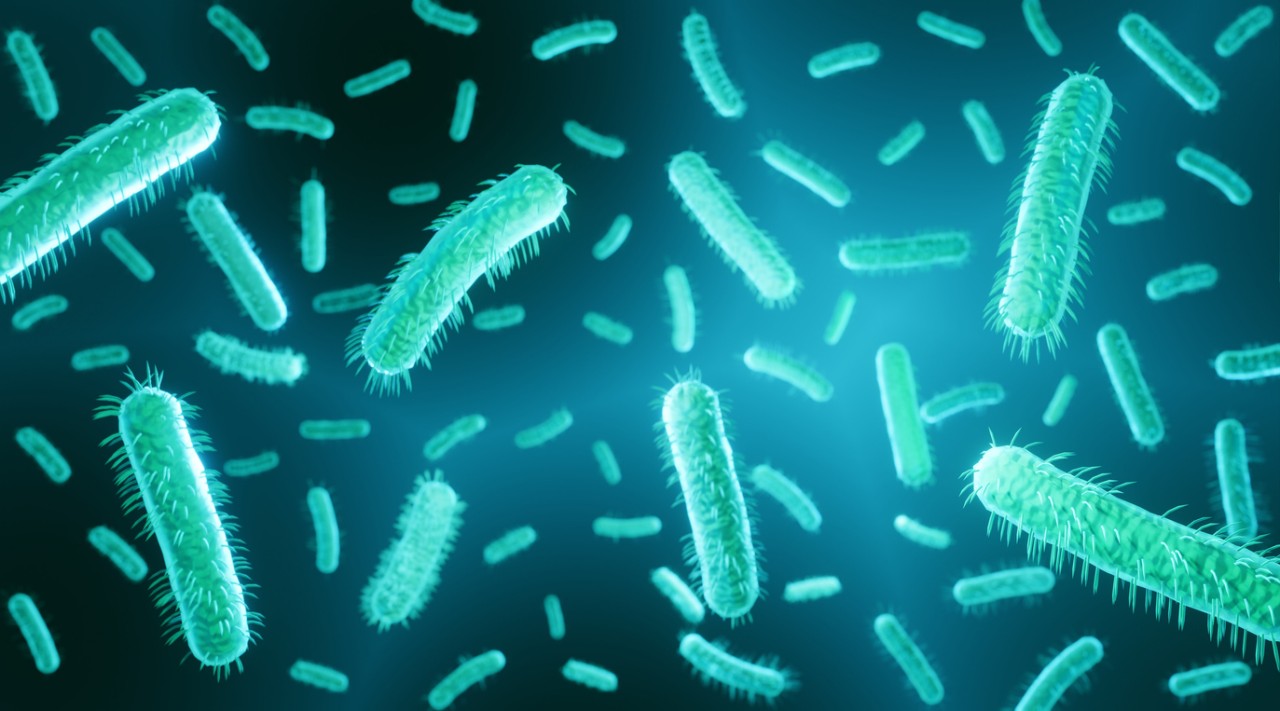
Featured photo at top of bacteria. Photo/Artur Plawgo/iStock.
Related Stories
Sugar overload killing hearts
November 10, 2025
Two in five people will be told they have diabetes during their lifetime. And people who have diabetes are twice as likely to develop heart disease. One of the deadliest dangers? Diabetic cardiomyopathy. But groundbreaking University of Cincinnati research hopes to stop and even reverse the damage before it’s too late.
Is going nuclear the solution to Ohio’s energy costs?
November 10, 2025

The Ohio Capital Journal recently reported that as energy prices continue to climb, economists are weighing the benefits of going nuclear to curb costs. The publication dove into a Scioto Analysis survey of 18 economists to weigh the pros and cons of nuclear energy. One economist featured was Iryna Topolyan, PhD, professor of economics at the Carl H. Lindner College of Business.
App turns smartwatch into detector of structural heart disease
November 10, 2025

An app that uses an AI model to read a single-lead ECG from a smartwatch can detect structural heart disease, researchers reported at the 2025 Scientific Sessions of the American Heart Association. Although the technology requires further validation, researchers said it could help improve the identification of patients with heart failure, valvular conditions and left ventricular hypertrophy before they become symptomatic, which could improve the prognosis for people with these conditions.