WCPO: Eyes are the focus of new University of Cincinnati study to treat PTSD


Kate Chard, PhD, UC professor of psychiatry and behavioral neuroscience.
Eyes are the focus of a new study to help heal combat veterans of their post-traumatic stress tied to their service.
Kate Chard, PhD, UC professor of psychiatry and behavioral neuroscience and director of PTSD programs at the Cincinnati Department of Veterans Affairs Medical Center, spoke with WCPO about a study examining the effectiveness of Eye Movement Desensitization and Reprocessing to Cognitive Processing Therapy.
A $1.25 million donation from PESI, one of the world’s largest providers of mental health continuing education, is funding the three-year study.
“This therapy allows you to think of all the things that you don't want to tell anyone, even your best combat friend, and it allows you to keep all of that private, and you can still get better and not have those memories control you in the future,” Chard said.
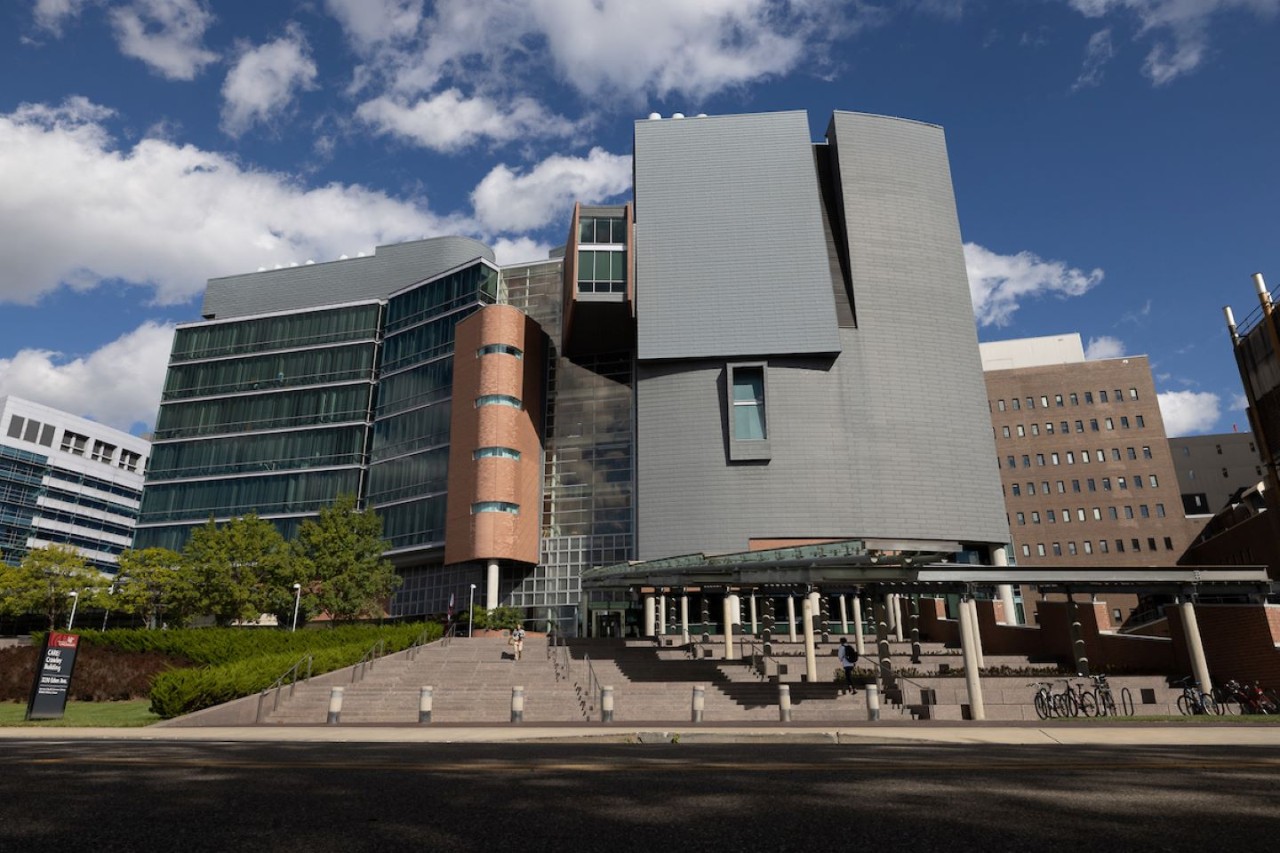
Featured image at top: CARE/Crawley building. Photo/Chris Radcliffe for the UC Foundation
Next Now
With its focus on innovation and impact, Next, Now: The Campaign for Cincinnati is where ambition meets action. At the University of Cincinnati and UC Health, we’re driven by next; thinking bolder and dreaming bigger to create the tomorrow we envision, today. Learn more at nextnow.uc.edu.
Related Stories
Sugar overload killing hearts
November 10, 2025
Two in five people will be told they have diabetes during their lifetime. And people who have diabetes are twice as likely to develop heart disease. One of the deadliest dangers? Diabetic cardiomyopathy. But groundbreaking University of Cincinnati research hopes to stop and even reverse the damage before it’s too late.
Is going nuclear the solution to Ohio’s energy costs?
November 10, 2025

The Ohio Capital Journal recently reported that as energy prices continue to climb, economists are weighing the benefits of going nuclear to curb costs. The publication dove into a Scioto Analysis survey of 18 economists to weigh the pros and cons of nuclear energy. One economist featured was Iryna Topolyan, PhD, professor of economics at the Carl H. Lindner College of Business.
App turns smartwatch into detector of structural heart disease
November 10, 2025

An app that uses an AI model to read a single-lead ECG from a smartwatch can detect structural heart disease, researchers reported at the 2025 Scientific Sessions of the American Heart Association. Although the technology requires further validation, researchers said it could help improve the identification of patients with heart failure, valvular conditions and left ventricular hypertrophy before they become symptomatic, which could improve the prognosis for people with these conditions.