Spectrum News: Therapies make psychedelics more accessible
UC researcher says decriminalization is a good step

Spectrum News turned to a University of Cincinnati researcher to explain the potential therapeutic benefits psychedelics could offer some people.
UC College of Arts and Sciences postdoctoral researcher Neşe Devenot told Spectrum News that people have had meaningful, transformative experiences using psychedelics such as psilocybin, the compound in magic mushrooms.

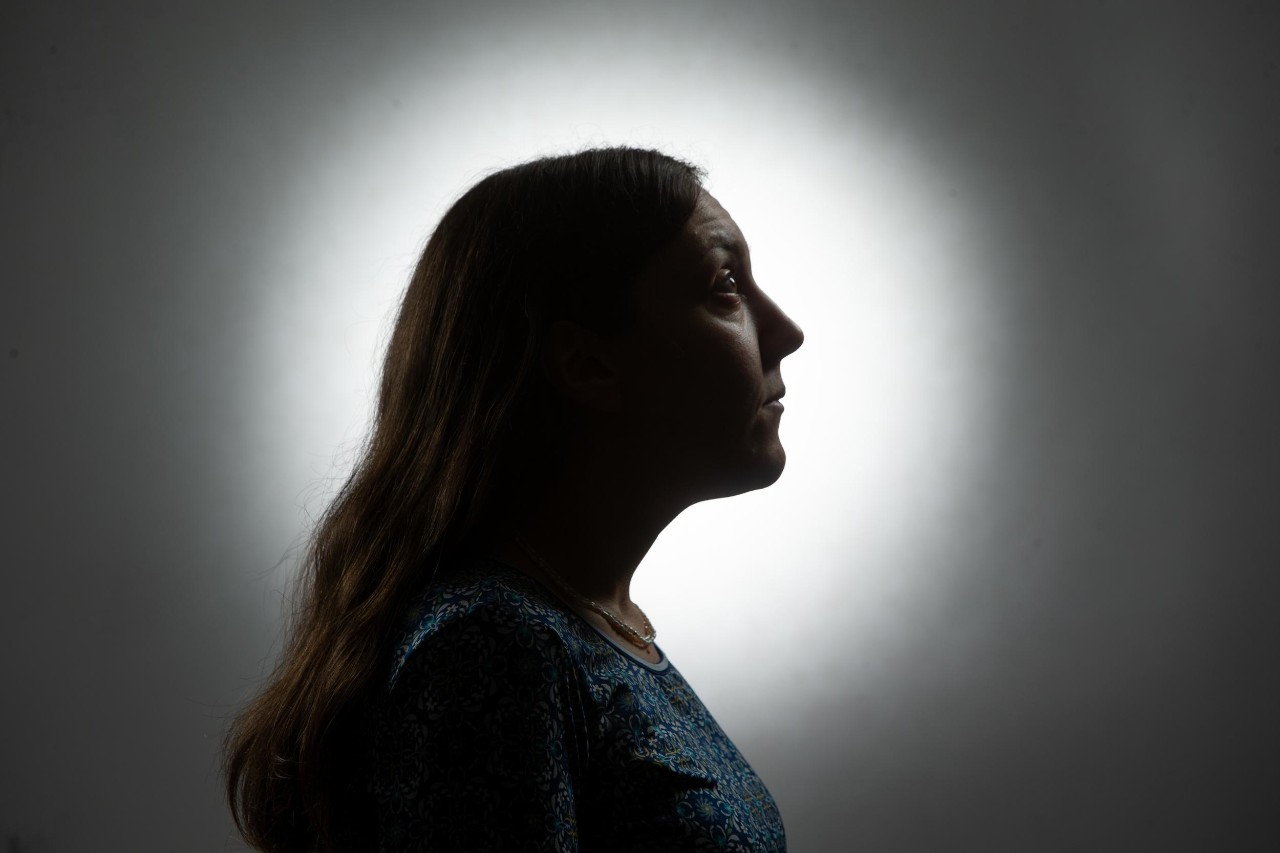
UC postdoctoral researcher Neşe Devenot. Photo/Andrew Higley/UC Marketing + Brand
Devenot works in UC's Institute for Research in Sensing, which explores sensing and sensor technology from both scientific and artistic perspectives.
Federal lawmakers have proposed legislation to expand access to psychedelic substances for medical purposes.
Devenot said psychedelics are getting more research attention.
“Some researchers look at this specifically as an experiential medicine, that there’s something about the experience that is therapeutic. That’s debated,” she told Spectrum News.
The Drug Enforcement Agency categorizes some psychedelics as Schedule I drugs, which criminalizes their use. Meanwhile, pharmaceutical companies are pursuing new medical treatments based on psychedelics.
Devenot said decriminalization would be a good step. Some studies have shown positive benefits to psychedelics for treatment of post-traumatic stress disorder or depression.
“Pyschedelics might help you get outside of those ruminative, fixated thought patterns to free you up to see yourself and your problems and relationship to the world in a different way,” Devenot said. “I think there's some truth to that.”
Watch the Spectrum News story.
Learn more about Devenot's work.
Featured image at top: UC postdoctoral researcher Neşe Devenot talked to Spectrum News about new legislation that could open up medical uses of psychedelics. Photo/Andrew Higley/
UC Marketing + Brand
Related Stories
Sugar overload killing hearts
November 10, 2025
Two in five people will be told they have diabetes during their lifetime. And people who have diabetes are twice as likely to develop heart disease. One of the deadliest dangers? Diabetic cardiomyopathy. But groundbreaking University of Cincinnati research hopes to stop and even reverse the damage before it’s too late.
Is going nuclear the solution to Ohio’s energy costs?
November 10, 2025

The Ohio Capital Journal recently reported that as energy prices continue to climb, economists are weighing the benefits of going nuclear to curb costs. The publication dove into a Scioto Analysis survey of 18 economists to weigh the pros and cons of nuclear energy. One economist featured was Iryna Topolyan, PhD, professor of economics at the Carl H. Lindner College of Business.
App turns smartwatch into detector of structural heart disease
November 10, 2025

An app that uses an AI model to read a single-lead ECG from a smartwatch can detect structural heart disease, researchers reported at the 2025 Scientific Sessions of the American Heart Association. Although the technology requires further validation, researchers said it could help improve the identification of patients with heart failure, valvular conditions and left ventricular hypertrophy before they become symptomatic, which could improve the prognosis for people with these conditions.