Columbus Dispatch: Reduced traffic means less money for road maintenance
Travel patterns have changed since start of COVID-19 pandemic

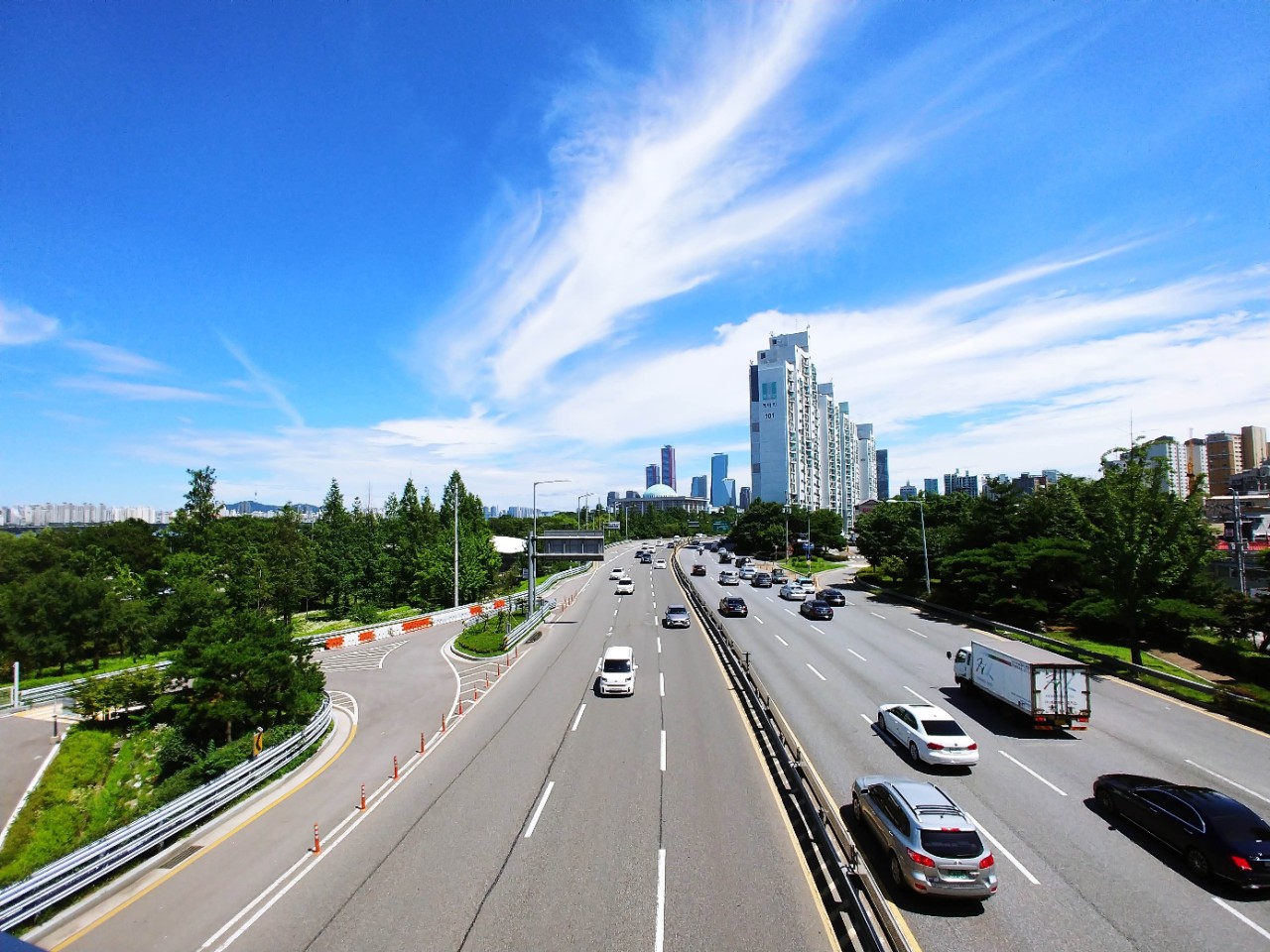
One of the lingering effects of COVID-19 has been fewer cars on roadways, which could have significant effects on businesses, commuters and taxpayers, the Columbus Dispatch reported.

Munir Nazzal, professor of civil engineering
Car traffic is down 6% to 9% compared to 2019, according to the Ohio Department of Transportation. Truck traffic is up between 10% and 13%, though, as more people rely on online shopping. Overall traffic is down 4%.
With fewer drivers on the road, governments will receive less money from gasoline taxes to maintain roads.
"There will be less consumption of fuel specifically from passenger cars," said Munir Nazzal, a professor of civil engineering at the University of Cincinnati. "This means that you will have less money to maintain roads."
To deal with the reduced revenue and heavier truck traffic, researchers are seeking stronger materials for roadways.
“The goal always is to increase the service life of the roads,” Nazzal said.
Read more from the Columbus Dispatch.
Featured image at top courtesy of Unsplash.
Impact Lives Here
The University of Cincinnati is leading public urban universities into a new era of innovation and impact. Our faculty, staff and students are saving lives, changing outcomes and bending the future in our city's direction. Next Lives Here.
Related Stories
Sugar overload killing hearts
November 10, 2025
Two in five people will be told they have diabetes during their lifetime. And people who have diabetes are twice as likely to develop heart disease. One of the deadliest dangers? Diabetic cardiomyopathy. But groundbreaking University of Cincinnati research hopes to stop and even reverse the damage before it’s too late.
Is going nuclear the solution to Ohio’s energy costs?
November 10, 2025

The Ohio Capital Journal recently reported that as energy prices continue to climb, economists are weighing the benefits of going nuclear to curb costs. The publication dove into a Scioto Analysis survey of 18 economists to weigh the pros and cons of nuclear energy. One economist featured was Iryna Topolyan, PhD, professor of economics at the Carl H. Lindner College of Business.
App turns smartwatch into detector of structural heart disease
November 10, 2025

An app that uses an AI model to read a single-lead ECG from a smartwatch can detect structural heart disease, researchers reported at the 2025 Scientific Sessions of the American Heart Association. Although the technology requires further validation, researchers said it could help improve the identification of patients with heart failure, valvular conditions and left ventricular hypertrophy before they become symptomatic, which could improve the prognosis for people with these conditions.