Medscape: AF detection by smartwatch challenging in some patients
UC expert says patients at risk for developing AF could benefit from monitoring using a smartwatch

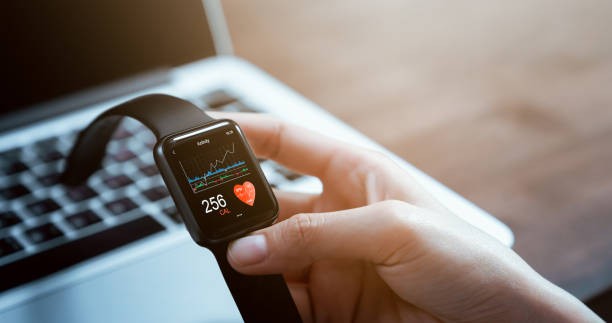
New research shows that the ability of the Apple Watch to detect atrial fibrillation (AF) is significantly affected by underlying ECG abnormalities such as sinus node dysfunction, atrioventricular block, or intraventricular conduction delay. In a story on the research published by Medscape, Richard Becker, MD, professor and director, UC Heart, Lung and Vascular Institute and UC Division of Cardiovascular Health and Disease at the UC College of Medicine provided reaction to the research.

Richard Becker, MD/Photo/Andrew Higley/UC Marketing + Brand
"This is exactly the kind of investigation required to improve upon existing detection algorithms that will someday facilitate routine use in patient care," said Becker. "An ability to detect AF in a large proportion of those with the heart rhythm abnormality is encouraging."
The findings should not detract from well-conducted studies in otherwise healthy individuals of varied age in whom AF was accurately detected, he added. "Similarly, an automatic diagnosis algorithm for AF, pending optimization and validation in a large and diverse cohort, should be viewed as a communication tool between patients and healthcare providers."
Patients at risk for developing AF could benefit from continuous monitoring using a smartwatch, said Becker.
"Pre-existing heart rhythm abnormalities must be taken into consideration. Optimal utilization of emerging technology to include wearables requires an understanding of performance and limitations. It is best undertaken in coordination with a healthcare provider."
Lead photo/Onur Binay/Unsplash
Next Lives Here
The University of Cincinnati is classified as a Research 1 institution by the Carnegie Commission and is ranked in the National Science Foundation's Top-35 public research universities. UC's graduate students and faculty investigate problems and innovate solutions with real-world impact. Next Lives Here.
Related Stories
Sugar overload killing hearts
November 10, 2025
Two in five people will be told they have diabetes during their lifetime. And people who have diabetes are twice as likely to develop heart disease. One of the deadliest dangers? Diabetic cardiomyopathy. But groundbreaking University of Cincinnati research hopes to stop and even reverse the damage before it’s too late.
Is going nuclear the solution to Ohio’s energy costs?
November 10, 2025

The Ohio Capital Journal recently reported that as energy prices continue to climb, economists are weighing the benefits of going nuclear to curb costs. The publication dove into a Scioto Analysis survey of 18 economists to weigh the pros and cons of nuclear energy. One economist featured was Iryna Topolyan, PhD, professor of economics at the Carl H. Lindner College of Business.
App turns smartwatch into detector of structural heart disease
November 10, 2025

An app that uses an AI model to read a single-lead ECG from a smartwatch can detect structural heart disease, researchers reported at the 2025 Scientific Sessions of the American Heart Association. Although the technology requires further validation, researchers said it could help improve the identification of patients with heart failure, valvular conditions and left ventricular hypertrophy before they become symptomatic, which could improve the prognosis for people with these conditions.