Complimentary, virtual event focuses on food as medicine
Osher Center for Integrative Health hosts free event with medical director Mladen Golubic, MD, PHD

Event Information (passed)
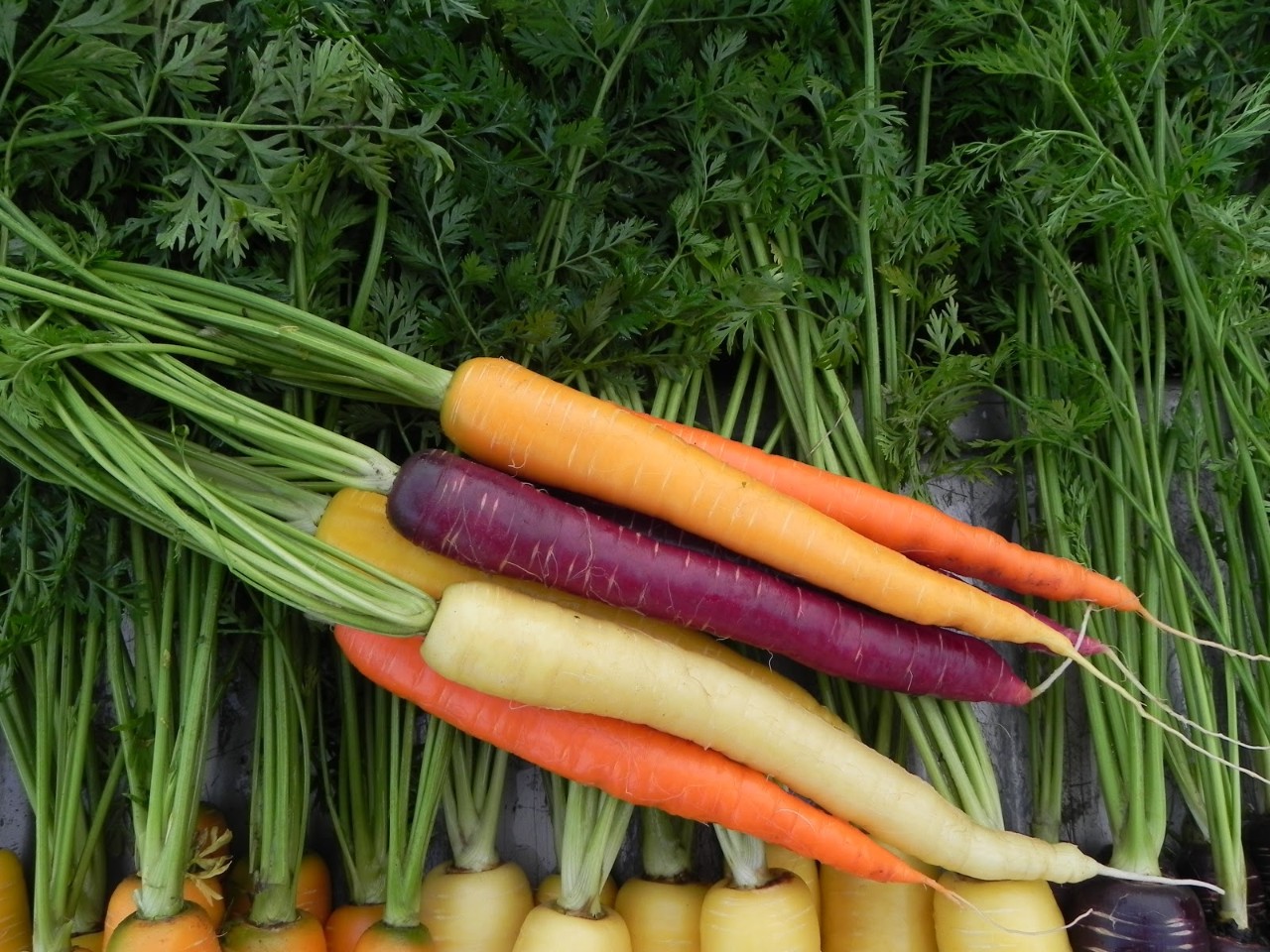
No matter your current eating pattern or nutritional philosophy, if you want to obtain the biggest nutritional bang for your buck, you would be wise to eat more vegetables and fruits. These groups of plants, along with beans and whole grains, contain vitamins and minerals and a spectrum of health-promoting, biologically active nutritional compounds generally called phytonutrients that mediate “Food as Medicine” positive effects on our health.
Join the Osher Center for Integrative Health at UC and Medical Director Mladen Golubic, MD, PHD for a complimentary, virtual class including:
- The key mechanisms by which these phytonutrients mediate “Food as Medicine” positive effects on our health
- Reveal how you can start craving these foods
- How to maximize these foods' health benefits by paying attention to how plants are grown, how fresh they are, and how they are stored and prepared.

About Mladen Golubic, MD, PHD
Mladen Golubic, MD, PhD serves as the Medical Director for the Osher Center for Integrative Health at UC and is an exceptional leader in the fields of lifestyle and integrative medicine. As an internist, Golubic has practiced and directed educational and research activities within integrative and lifestyle medicine since 2009 with a group of exceptional lifestyle medicine professionals (dietitians, chefs, yoga instructors, exercise physiologists, meditation teachers, etc.) within the Wellness Institute at the Cleveland Clinic. His clinical work focuses now on lifestyle-related chronic diseases.
Related Stories
Sugar overload killing hearts
November 10, 2025
Two in five people will be told they have diabetes during their lifetime. And people who have diabetes are twice as likely to develop heart disease. One of the deadliest dangers? Diabetic cardiomyopathy. But groundbreaking University of Cincinnati research hopes to stop and even reverse the damage before it’s too late.
App turns smartwatch into detector of structural heart disease
November 10, 2025

An app that uses an AI model to read a single-lead ECG from a smartwatch can detect structural heart disease, researchers reported at the 2025 Scientific Sessions of the American Heart Association. Although the technology requires further validation, researchers said it could help improve the identification of patients with heart failure, valvular conditions and left ventricular hypertrophy before they become symptomatic, which could improve the prognosis for people with these conditions.
Combination immunotherapy helps overcome melanoma treatment resistance
November 10, 2025

MSN highlighted research led by the University of Cincinnati Cancer Center's Trisha Wise-Draper showing a combination of immunotherapy medications can activate a robust immune response and help overcome treatment resistance in patients with refractory melanoma.