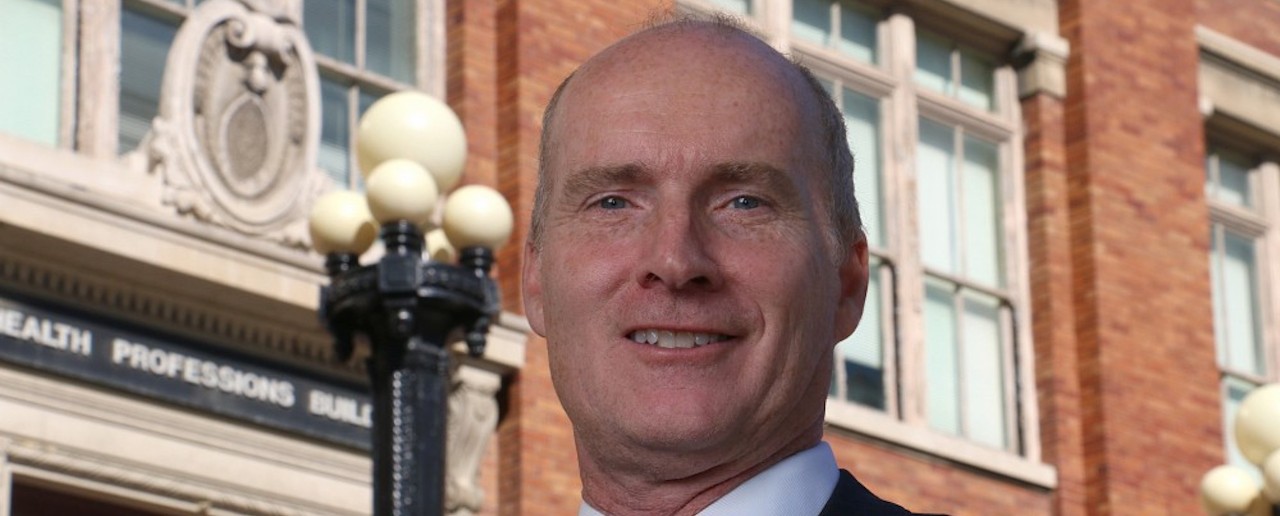
Herzog elected president of GOG Foundation board

Thomas Herzog, MD, Class of 1986, deputy director of the UC Cancer Center and professor in the Department of Obstetrics and Gynecology, has been elected president of the GOG Foundation, Inc. (GOG-F) Board of Directors. He will serve as the president-elect for one-year before becoming president in July 2023.
Founded in 1970 as the Gynecologic Oncology Group, the GOG-F is a not-for-profit organization that conducts clinical and translational research on the prevention and treatment of gynecologic malignancies. The GOG-F includes the GOG Foundation, corporate membership in NRG Oncology and the GOG-P program. In addition to the NRG responsibilities, Herzog also will oversee the GOG Partners program. The GOG-F consists of gynecologic oncologists, medical oncologists, pathologists, radiation oncologists, oncology nurses, biostatisticians, basic scientists, quality of life experts, data managers and administrative personnel.
Herzog, who also is the Paul and Carolyn Flory Professor of Gynecologic Oncology, has been a member of the GOG-F Board of Directors, has served as treasurer for the past eight years and is currently an associate director of the GOG Partners program, which collaborates with pharmaceutical organizations to operate clinical trials. He serves or has served on the editorial boards of Gynecologic Oncology, Obstetrics and Gynecology International, and Hematology Oncology Times, among others, and has served as editor-in-chief of Women’s Oncology Review and Gynecologic Oncology Research to Practice. Herzog also has served on the boards or leadership councils of the Society of Gynecologic Oncology, Foundation for Women’s Cancer, American College of Surgeons, American Board of Obstetrics and Gynecology-Gynecologic Oncology Division and the International Gynecologic Cancer Society.
Related Stories
Sugar overload killing hearts
November 10, 2025
Two in five people will be told they have diabetes during their lifetime. And people who have diabetes are twice as likely to develop heart disease. One of the deadliest dangers? Diabetic cardiomyopathy. But groundbreaking University of Cincinnati research hopes to stop and even reverse the damage before it’s too late.
App turns smartwatch into detector of structural heart disease
November 10, 2025

An app that uses an AI model to read a single-lead ECG from a smartwatch can detect structural heart disease, researchers reported at the 2025 Scientific Sessions of the American Heart Association. Although the technology requires further validation, researchers said it could help improve the identification of patients with heart failure, valvular conditions and left ventricular hypertrophy before they become symptomatic, which could improve the prognosis for people with these conditions.
Combination immunotherapy helps overcome melanoma treatment resistance
November 10, 2025

MSN highlighted research led by the University of Cincinnati Cancer Center's Trisha Wise-Draper showing a combination of immunotherapy medications can activate a robust immune response and help overcome treatment resistance in patients with refractory melanoma.