WVXU: Exploring the under-regulated dietary supplements industry

Dietary supplements have become a $40 billion a year industry, but it is largely under-regulated.
Michael A. Hegener, PharmD, director of the Wuest Family Pharmacy Practice Skills Center and associate professor of pharmacy at the University of Cincinnati's James L. Winkle College of Pharmacy, joined WVXU's Cincinnati Edition to discuss how the dietary supplement industry is regulated, which varies greatly compared to drug regulation.
"Over the counter and prescription drugs are actually approved by the FDA before they hit the market for both safety and efficacy or effectiveness, whereas dietary supplements are actually regulated as a type of food, not drugs," Hegener said. "And they are put on the market without having to prove safety or efficacy to the FDA. So the way they’re mainly regulated is after the fact."
Hegener said patients and consumers can look at product labels to see whether products are regulated as drugs or supplements.
"If it has a drug facts panel, then it’s regulated as a drug. If it says supplement facts, it’s regulated as a dietary supplement," he said. "So that’s one area where the everyday patient or consumer can help make more informed decisions and know what their purchasing."
Listen to the Cincinnati Edition segment.
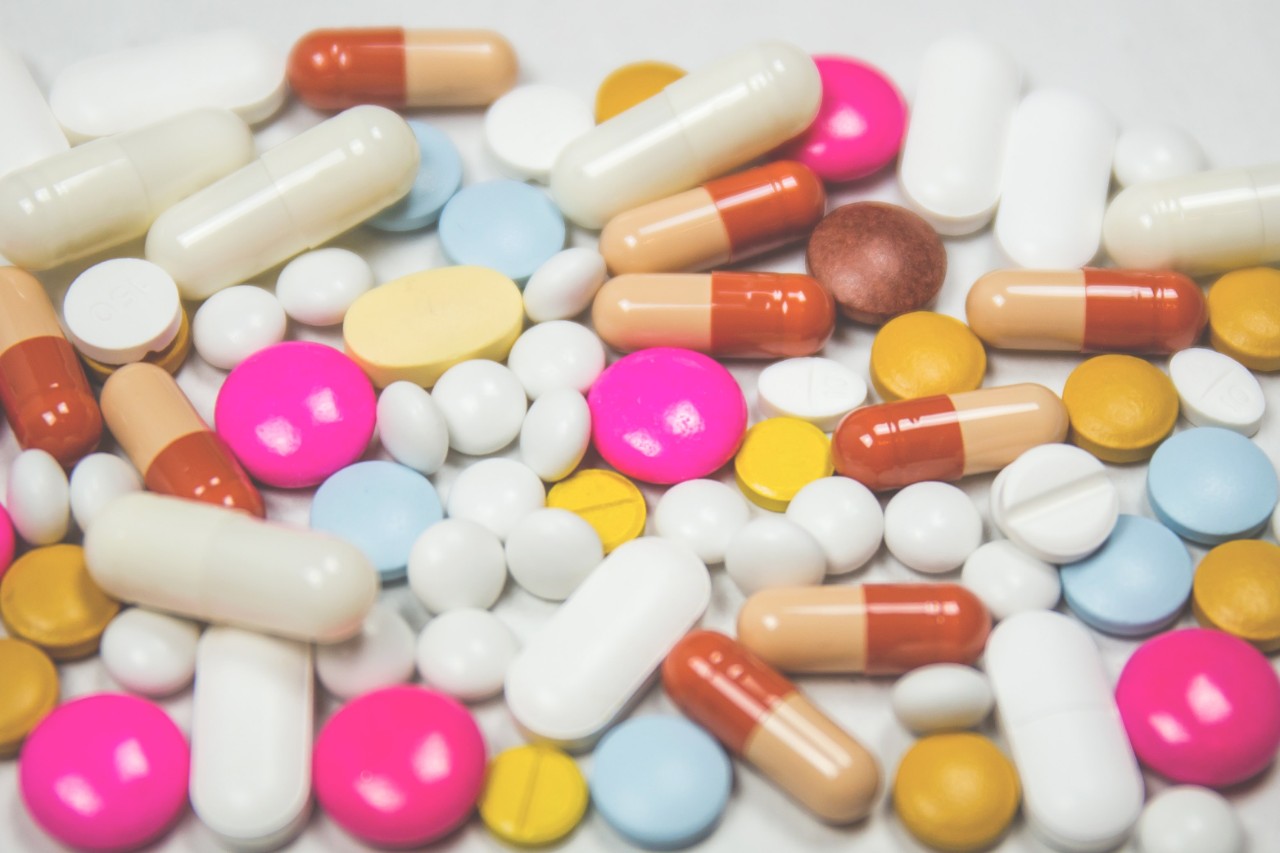
Featured photo at top courtesy of Unsplash.
Related Stories
Sugar overload killing hearts
November 10, 2025
Two in five people will be told they have diabetes during their lifetime. And people who have diabetes are twice as likely to develop heart disease. One of the deadliest dangers? Diabetic cardiomyopathy. But groundbreaking University of Cincinnati research hopes to stop and even reverse the damage before it’s too late.
Is going nuclear the solution to Ohio’s energy costs?
November 10, 2025

The Ohio Capital Journal recently reported that as energy prices continue to climb, economists are weighing the benefits of going nuclear to curb costs. The publication dove into a Scioto Analysis survey of 18 economists to weigh the pros and cons of nuclear energy. One economist featured was Iryna Topolyan, PhD, professor of economics at the Carl H. Lindner College of Business.
App turns smartwatch into detector of structural heart disease
November 10, 2025

An app that uses an AI model to read a single-lead ECG from a smartwatch can detect structural heart disease, researchers reported at the 2025 Scientific Sessions of the American Heart Association. Although the technology requires further validation, researchers said it could help improve the identification of patients with heart failure, valvular conditions and left ventricular hypertrophy before they become symptomatic, which could improve the prognosis for people with these conditions.