WVXU: As our area sees its first cases of monkeypox, experts share what you should know
UC expert describes how monkeypox is spread and how contagious it is

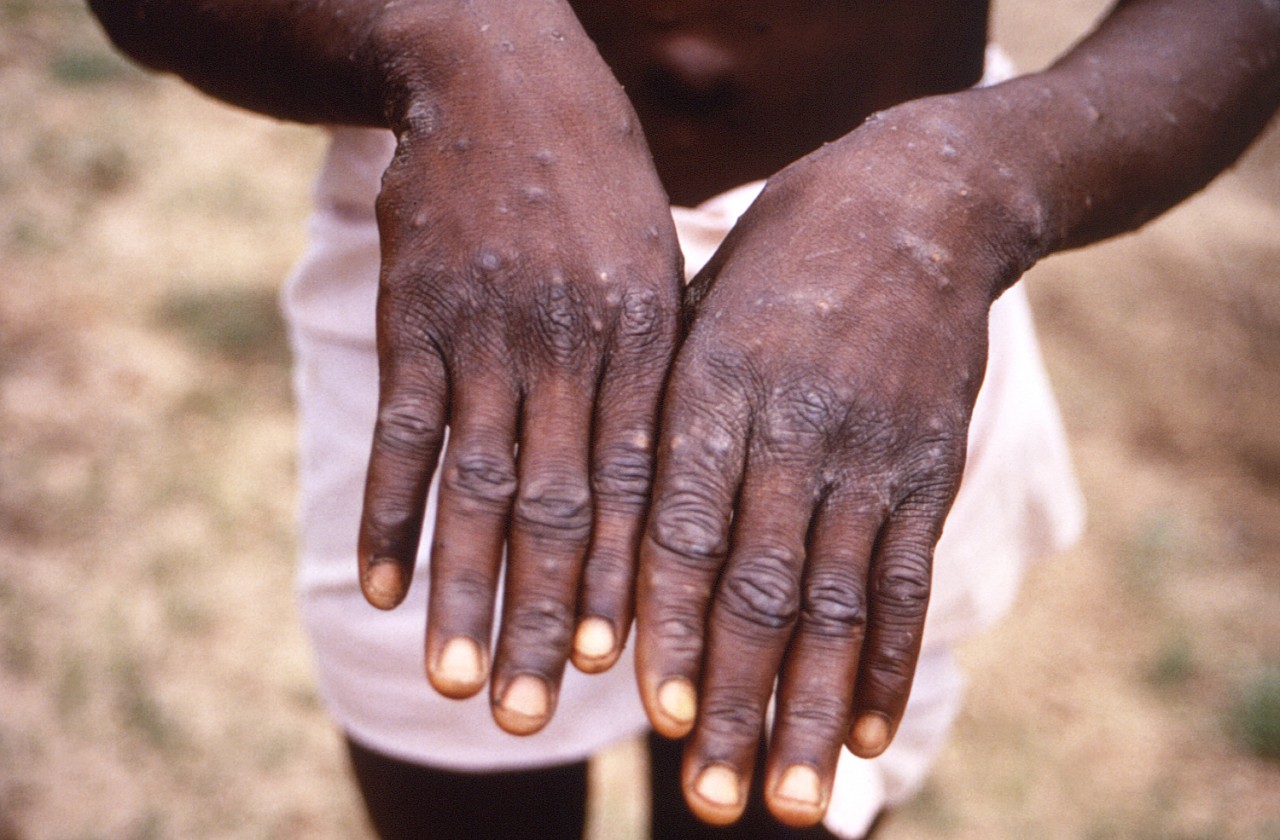
The Biden administration has declared the growing monkeypox outbreak a national health emergency, a rare designation signaling that the virus now represents a significant risk to Americans and setting in motion new measures aimed at containing the threat. Cases of the virus have been confirmed in Greater Cincinnati. WVXU interviewed Jennifer Forrester, MD, of the Division of Infectious Diseases at the UC College of Medicine to learn more about how it spreads and how contagious it is.
"The lesions tend to be the most infectious period of the illness, and so direct contact, skin-to-skin or mucous membrane-to-skin contact is really how this virus is transmitted from person to person," Forrester said. "Anywhere those lesions are present or even potentially in other body fluids, we have a lot to learn from this virus."

Jennifer Forrester, MD, of the Division of Infectious Diseases at the UC College of Medicine/Photo/Colleen Kelley/UC Marketing + Brand
Forrester said we have not traditionally seen this in the United States thanks to excellent vaccination strategies against smallpox decades ago.
She was asked if the virus can spread on surfaces, leading to the possibility of spraying disinfectants all over as was the case in the early days of COVID-19.
"It can be spread by surfaces, this can last on surfaces for a bit of time," she said. "It can take three weeks for some people's skin to heal appropriately, but that varies from person to person. After that, making sure that we sanitize bed linens and don't share bed linens and towels during that time and then make sure that they're adequately sanitized thereafter to help stop the spread, too."
Forrester was asked about news reports that note many of the infections are among men who have sex with men and how to communicate that without creating stigma.
"This is an extremely important point," she said. "While sexual activity is a skin-to-skin contact, it is not the only method of getting this virus. The current outbreak that we are seeing is the majority of cases is men who have sex with men, for now. Within the United States, there are children who have monkeypox, there are women who have monkeypox, so this isn't strictly a disease of men who have sex with men. What also is important is to pay attention to the group that is most highly at risk so that they have the knowledge to protect themselves and the ability to protect themselves as well."
Next Lives Here
The University of Cincinnati is classified as a Research 1 institution by the Carnegie Commission and is ranked in the National Science Foundation's Top-35 public research universities. UC's graduate students and faculty investigate problems and innovate solutions with real-world impact. Next Lives Here.
Related Stories
Sugar overload killing hearts
November 10, 2025
Two in five people will be told they have diabetes during their lifetime. And people who have diabetes are twice as likely to develop heart disease. One of the deadliest dangers? Diabetic cardiomyopathy. But groundbreaking University of Cincinnati research hopes to stop and even reverse the damage before it’s too late.
Is going nuclear the solution to Ohio’s energy costs?
November 10, 2025

The Ohio Capital Journal recently reported that as energy prices continue to climb, economists are weighing the benefits of going nuclear to curb costs. The publication dove into a Scioto Analysis survey of 18 economists to weigh the pros and cons of nuclear energy. One economist featured was Iryna Topolyan, PhD, professor of economics at the Carl H. Lindner College of Business.
App turns smartwatch into detector of structural heart disease
November 10, 2025

An app that uses an AI model to read a single-lead ECG from a smartwatch can detect structural heart disease, researchers reported at the 2025 Scientific Sessions of the American Heart Association. Although the technology requires further validation, researchers said it could help improve the identification of patients with heart failure, valvular conditions and left ventricular hypertrophy before they become symptomatic, which could improve the prognosis for people with these conditions.