55KRC: UC expert discusses ADHD

According to the Centers for Disease Control and Prevention, millions of children in the United States have been diagnosed with attention-deficit/hyperactivity disorder (ADHD).
The University of Cincinnati's Jenni E. Farrow, MD, recently was a guest on 55KRC's Simply Medicine program and podcast to discuss ADHD.
Farrow explained the chronic neurodevelopmental disorder can be one of three types: predominantly inattentive, predominantly hyperactive or a combined type of both. About 85% of children diagnosed will continue with ADHD through adolescence, and about 50% to 70% will have a recurrent, remitting course of ADHD through adulthood, according to Farrow.
"The thing about ADHD is we think about the core symptoms of inattention, hyperactivity, interrupting, intruding, all of that, but there’s a lot of emotion dysregulation that goes with it that can create lots of kind of interpersonal conflict and just difficulties feeling successful, you know, in relationships and in the classroom," said Farrow, adjunct assistant professor in the Department of Psychiatry and Behavioral Neuroscience in UC's College of Medicine. "So it can really erode self esteem over time. So I believe it’s really important to be evaluated and be treated if appropriate."
Treatments include medication, behavioral therapy and practical positive reinforcements that create environments that reduce distractions, Farrow said.
Listen to the Simply Medicine interview. (Note: Segment begins around 0:31 mark.)
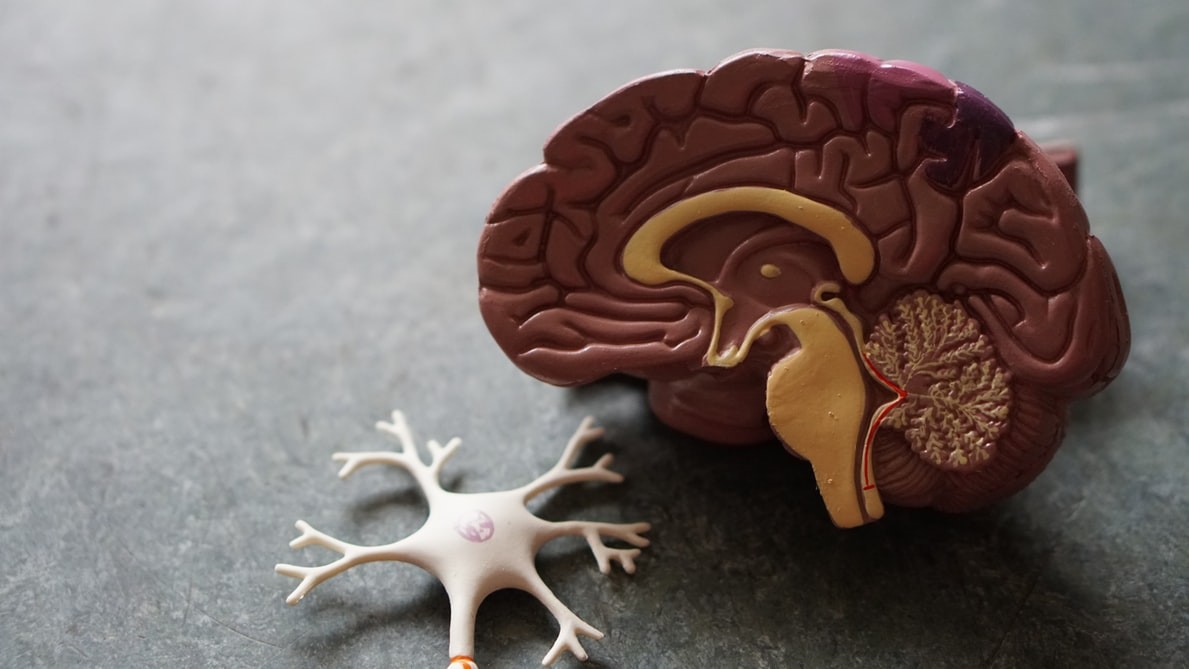
Featured photo at top courtesy of Unsplash.
Related Stories
Sugar overload killing hearts
November 10, 2025
Two in five people will be told they have diabetes during their lifetime. And people who have diabetes are twice as likely to develop heart disease. One of the deadliest dangers? Diabetic cardiomyopathy. But groundbreaking University of Cincinnati research hopes to stop and even reverse the damage before it’s too late.
Is going nuclear the solution to Ohio’s energy costs?
November 10, 2025

The Ohio Capital Journal recently reported that as energy prices continue to climb, economists are weighing the benefits of going nuclear to curb costs. The publication dove into a Scioto Analysis survey of 18 economists to weigh the pros and cons of nuclear energy. One economist featured was Iryna Topolyan, PhD, professor of economics at the Carl H. Lindner College of Business.
App turns smartwatch into detector of structural heart disease
November 10, 2025

An app that uses an AI model to read a single-lead ECG from a smartwatch can detect structural heart disease, researchers reported at the 2025 Scientific Sessions of the American Heart Association. Although the technology requires further validation, researchers said it could help improve the identification of patients with heart failure, valvular conditions and left ventricular hypertrophy before they become symptomatic, which could improve the prognosis for people with these conditions.