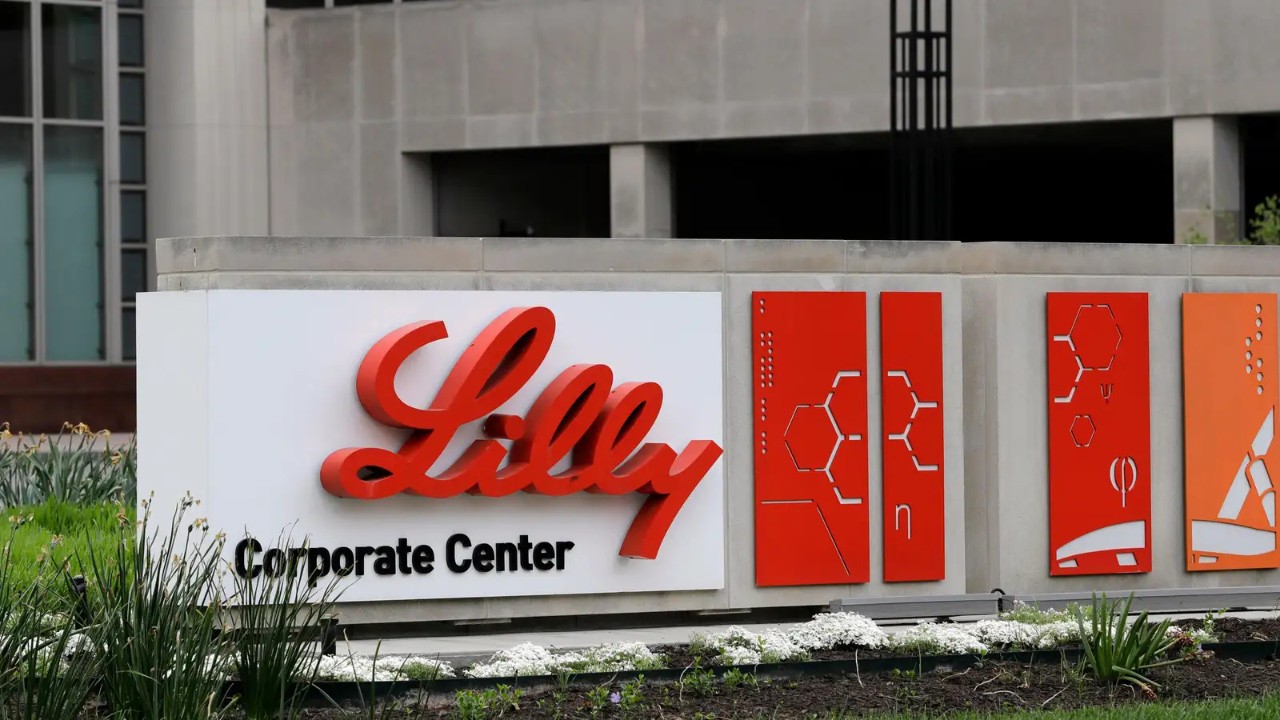
Healthline: What we know about Eli Lilly’s experimental weight-loss drug
UC expert says weight loss often doesn’t last long term

According to drugmaker Eli Lilly, participants in a clinical trial lost over 50 pounds on average when they were treated with the highest dose of a new hunger suppressant.
The drug, called tirzepatide, is making headlines, but has not yet been approved or authorized by the Food and Drug Administration. Additionally, the initial research has been made public by the drug maker Eli Lilly and has not yet been published in a peer-reviewed medical journal.
In a story on the drug published by Healthline, one of the experts quoted is Shailendra Patel, MD, PhD, Division of Endocrinology, Diabetes and Metabolism in the Department of Internal Medicine at the UC College of Medicine.

Shailendra Patel, MD, PhD, Division of Endocrinology, Diabetes and Metabolism at the UC College of Medicine/Photo/Colleen Kelley/UC Creative + Brand
Patel told Healthline that approaches to weight loss have typically involved dieting but that diets often result only in short term weight loss because they are extremely difficult to stick with for an indefinite period of time.
“The reason that all these diets fail is that human beings cannot stick with any one of these diet plans forever,” he said.
Patel points out that due to the complexity of obesity relying on a single solution, whether a diet or a pill, is likely not going to work long term.
“We have yet another weight loss drug to help patients," said Patel. “But drugs by themselves, just like crash diets by themselves, you can see weight loss – but you won’t be successful.”
He said if people with obesity want to lose weight it may require multiple interventions some of which may include medical interventions.
Patel pointed out that even bariatric surgery, which involves shrinking or bypassing the stomach through surgery, requires patients to change their long-term approach to diet and exercise for the best results.
Lead photo/Darron Cummings/AP
Impact Lives Here
The University of Cincinnati is leading public urban universities into a new era of innovation and impact. Our faculty, staff and students are saving lives, changing outcomes and bending the future in our city's direction. Next Lives Here.
Related Stories
Sugar overload killing hearts
November 10, 2025
Two in five people will be told they have diabetes during their lifetime. And people who have diabetes are twice as likely to develop heart disease. One of the deadliest dangers? Diabetic cardiomyopathy. But groundbreaking University of Cincinnati research hopes to stop and even reverse the damage before it’s too late.
Is going nuclear the solution to Ohio’s energy costs?
November 10, 2025

The Ohio Capital Journal recently reported that as energy prices continue to climb, economists are weighing the benefits of going nuclear to curb costs. The publication dove into a Scioto Analysis survey of 18 economists to weigh the pros and cons of nuclear energy. One economist featured was Iryna Topolyan, PhD, professor of economics at the Carl H. Lindner College of Business.
App turns smartwatch into detector of structural heart disease
November 10, 2025

An app that uses an AI model to read a single-lead ECG from a smartwatch can detect structural heart disease, researchers reported at the 2025 Scientific Sessions of the American Heart Association. Although the technology requires further validation, researchers said it could help improve the identification of patients with heart failure, valvular conditions and left ventricular hypertrophy before they become symptomatic, which could improve the prognosis for people with these conditions.