Healio: Immunotherapy does not increase surgery complications for oral cavity cancer patients

Treating patients with advanced oral cavity cancer with an immunotherapy drug prior to surgery did not increase the risk for serious complications and was shown to potentially reduce poor surgical outcomes, according to new research presented at the American Head & Neck Society Annual Meeting led by University of Cincinnati researchers.
Researchers led by Alice L. Tang, MD, assistant clinical professor in the UC College of Medicine, reviewed the data of 32 patients enrolled in a clinical trial who received the immunotherapy drug pembrolizumab prior to surgery.
Complications are common after surgery to remove primary oral cavity cancer. However, the results showed no relevant differences in surgical outcomes between the control group and those who received the immunotherapy other than a statistically significant decrease in instances of lockjaw among those who received the immunotherapy.
“A lot of us have been suspicious that perhaps immunotherapy could cause poor wound healing, and this contradicts other data that have already been published,” Tang told Healio. “Surgeons in the community and clinicians should be reassured that there is emerging data that tells us more about adverse events after neoadjuvant immunotherapy, and that perhaps we’ll be OK with wound healing in this scenario.”
Tang said further study is needed with a larger sample size of patients to confirm findings.
“Neoadjuvant immunotherapy is going to be more and more important for head and neck cancers, particularly advanced disease,” Tang said. “We really need to know much more about the surgical implications and how this can affect outcomes.”
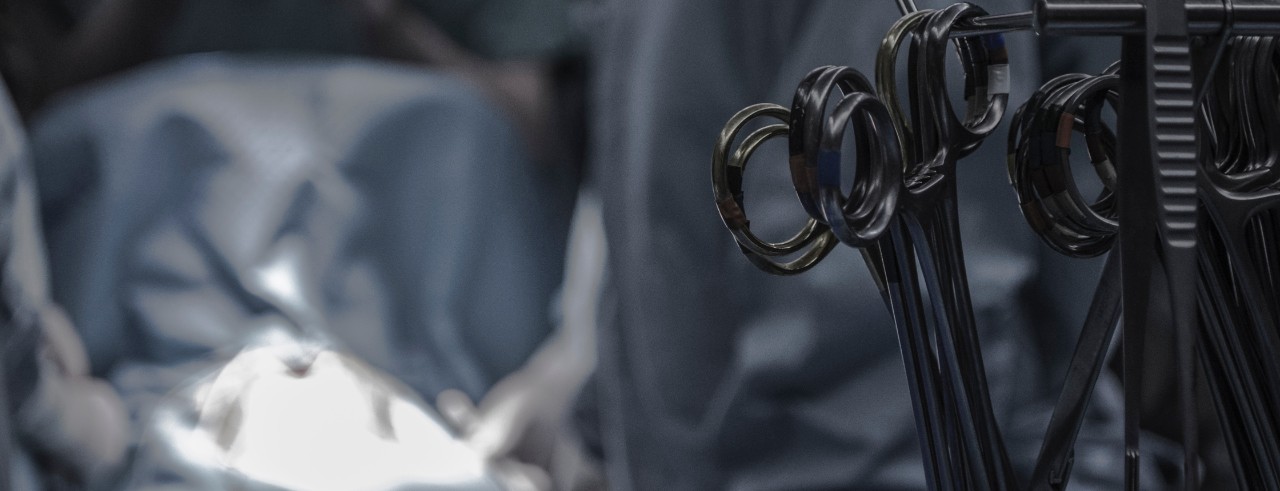
Featured photo at top of surgical tools in an operating room. Photo/University of Cincinnati.
Related Stories
Sugar overload killing hearts
November 10, 2025
Two in five people will be told they have diabetes during their lifetime. And people who have diabetes are twice as likely to develop heart disease. One of the deadliest dangers? Diabetic cardiomyopathy. But groundbreaking University of Cincinnati research hopes to stop and even reverse the damage before it’s too late.
Is going nuclear the solution to Ohio’s energy costs?
November 10, 2025

The Ohio Capital Journal recently reported that as energy prices continue to climb, economists are weighing the benefits of going nuclear to curb costs. The publication dove into a Scioto Analysis survey of 18 economists to weigh the pros and cons of nuclear energy. One economist featured was Iryna Topolyan, PhD, professor of economics at the Carl H. Lindner College of Business.
App turns smartwatch into detector of structural heart disease
November 10, 2025

An app that uses an AI model to read a single-lead ECG from a smartwatch can detect structural heart disease, researchers reported at the 2025 Scientific Sessions of the American Heart Association. Although the technology requires further validation, researchers said it could help improve the identification of patients with heart failure, valvular conditions and left ventricular hypertrophy before they become symptomatic, which could improve the prognosis for people with these conditions.