Phys.Org: How can computer chips predict the future of gene synthesis?

Phys.Org and other science outlets highlighted research by the University of Cincinnati that used the evolution of the computer chip to predict advances in the field of synthetic biology.
UC College of Engineering and Applied Science student Joseph Riolo, the paper's lead author, and distinguished research professor Andrew Steckl, an Ohio Eminent Scholar, said complex computer code is a useful comparison to examine how we might synthesize new genetic code.
"No analogy is perfect. DNA doesn't meet certain definitions of digital code," Riolo said. "But there are a lot of ways the genome and software code are comparable."
The study was published in the Nature journal Scientific Reports.
By using computer chip development as a guide, Steckl said we can infer the speed and costs of producing similar synthetic life might follow a similar trajectory as the performance and cost of electronics over time.
The study compared the number of bytes of code found in the software systems of luxury cars, fighter planes, and smart phone operating systems to the base pairs of genes found in a virus, a parasite and a human being.
Perhaps surprisingly, people have a far less complex genome than some other living things, including the marbled lungfish and a flowering perennial found in Japan.
UC's comparison of bytes to base pairs found comparable complexity.
"This combination of surmountable complexity and moderate cost justifies the academic enthusiasm for synthetic biology and will continue to inspire interest in the rules of life," the study concluded.
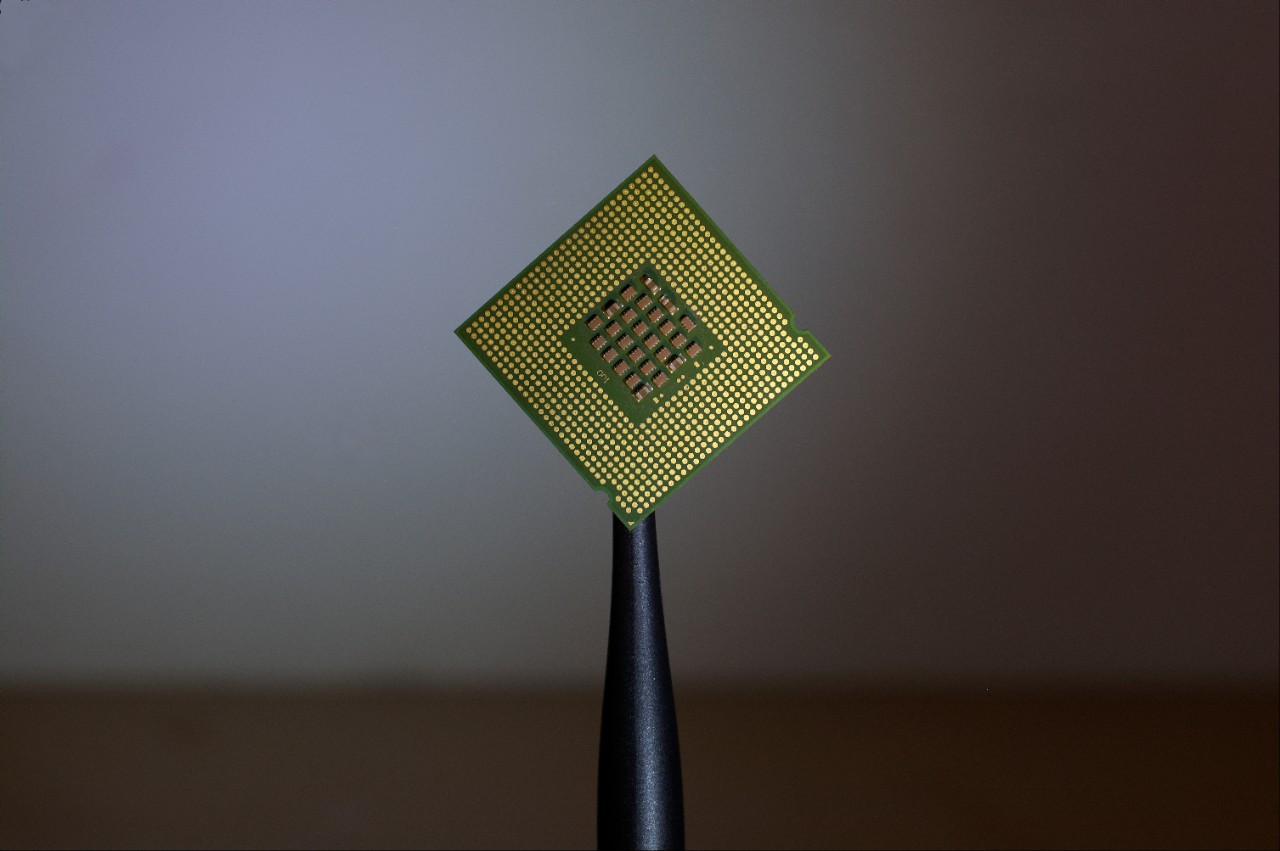
Featured image at top: A computer chip. Photo/Brian Kostiuk/Unsplash
More UC engineering research in the news

UC senior research associate Daewoo Han holds up electrospun fiber used in textiles and medicine. Photo/Joseph Fuqua II/UC Creative + Brand
Related Stories
Sugar overload killing hearts
November 10, 2025
Two in five people will be told they have diabetes during their lifetime. And people who have diabetes are twice as likely to develop heart disease. One of the deadliest dangers? Diabetic cardiomyopathy. But groundbreaking University of Cincinnati research hopes to stop and even reverse the damage before it’s too late.
Is going nuclear the solution to Ohio’s energy costs?
November 10, 2025

The Ohio Capital Journal recently reported that as energy prices continue to climb, economists are weighing the benefits of going nuclear to curb costs. The publication dove into a Scioto Analysis survey of 18 economists to weigh the pros and cons of nuclear energy. One economist featured was Iryna Topolyan, PhD, professor of economics at the Carl H. Lindner College of Business.
App turns smartwatch into detector of structural heart disease
November 10, 2025

An app that uses an AI model to read a single-lead ECG from a smartwatch can detect structural heart disease, researchers reported at the 2025 Scientific Sessions of the American Heart Association. Although the technology requires further validation, researchers said it could help improve the identification of patients with heart failure, valvular conditions and left ventricular hypertrophy before they become symptomatic, which could improve the prognosis for people with these conditions.