AARP: Foods that don't mix with prescriptions
UC expert details common interactions

Many people ask their doctor or pharmacist about how new medications might interact with other prescriptions they're taking, but it is not as common to ask how the foods we eat can interact with medications.
"It’s an issue that’s not on a lot of people’s radar screens. Honestly, it’s not on many doctors’ radar screens, either,” Bethanne Brown, PharmD, professor of pharmacy practice at the University of Cincinnati's James L. Winkle College of Pharmacy told AARP. “This information can be found in the packet you receive when you pick up your prescription from the pharmacy, but it can get lost in all the written information provided.”
Some foods can make certain drugs less effective by affecting how they metabolize in the body, while the interaction between some foods and drugs can produce dangerous side effects.
For example, Brown said certain antibiotics in the tetracycline class can be less effective if patients consume dairy products like milk, cheese and yogurt an hour before or two hours after taking the medication. The calcium in the dairy products can inhibit drug absorption, she said.
Brown's comments were also featured in a Yahoo News article. Read the article.
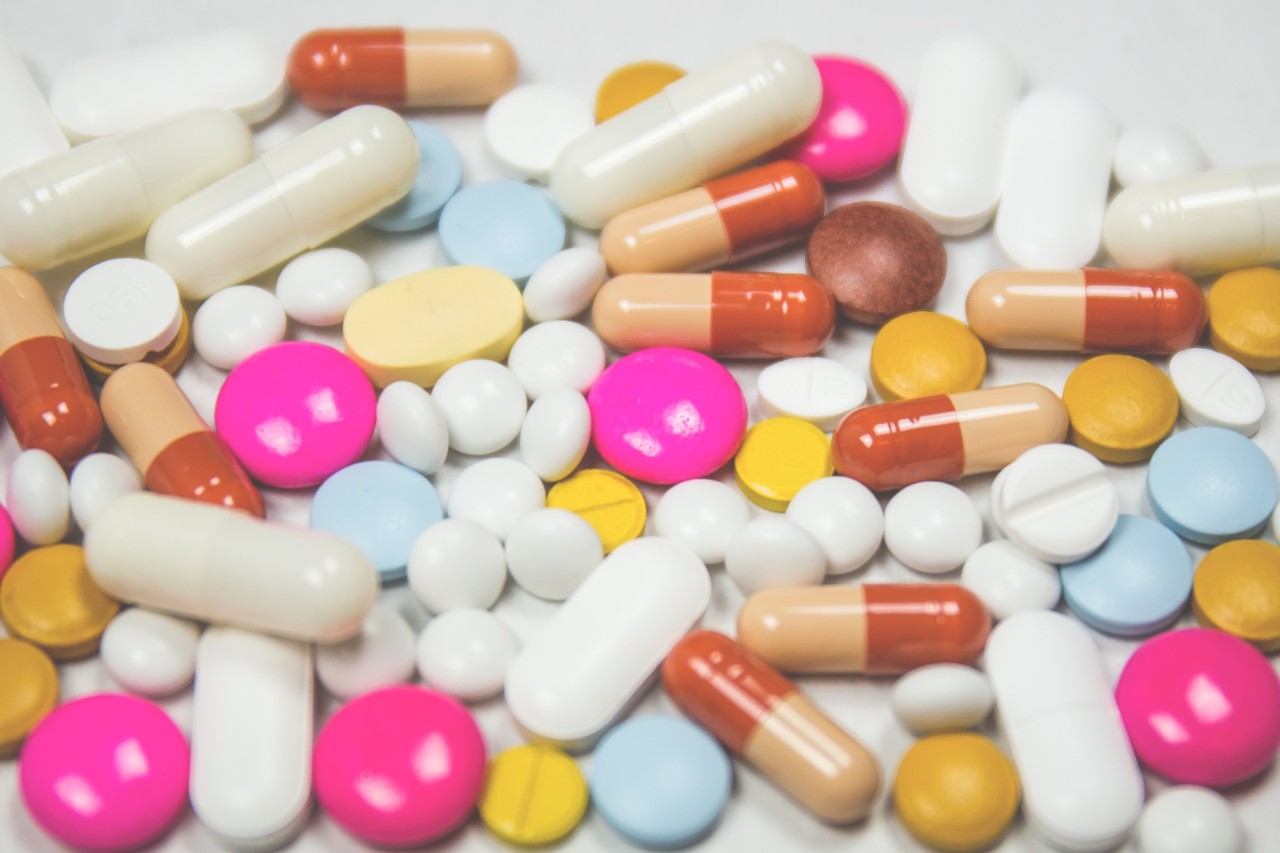
Featured photo at top of various medications courtesy of Unsplash.
Related Stories
Sugar overload killing hearts
November 10, 2025
Two in five people will be told they have diabetes during their lifetime. And people who have diabetes are twice as likely to develop heart disease. One of the deadliest dangers? Diabetic cardiomyopathy. But groundbreaking University of Cincinnati research hopes to stop and even reverse the damage before it’s too late.
Is going nuclear the solution to Ohio’s energy costs?
November 10, 2025

The Ohio Capital Journal recently reported that as energy prices continue to climb, economists are weighing the benefits of going nuclear to curb costs. The publication dove into a Scioto Analysis survey of 18 economists to weigh the pros and cons of nuclear energy. One economist featured was Iryna Topolyan, PhD, professor of economics at the Carl H. Lindner College of Business.
App turns smartwatch into detector of structural heart disease
November 10, 2025

An app that uses an AI model to read a single-lead ECG from a smartwatch can detect structural heart disease, researchers reported at the 2025 Scientific Sessions of the American Heart Association. Although the technology requires further validation, researchers said it could help improve the identification of patients with heart failure, valvular conditions and left ventricular hypertrophy before they become symptomatic, which could improve the prognosis for people with these conditions.