WCPO: UC participates in international breast cancer screening trial
Long-term study aims to make screenings more personalized, accessible

The University of Cincinnati Breast Cancer Center is the only center within an approximate 100-mile radius participating in an international study aimed at personalizing breast cancer screenings and making them more equitable and accessible.
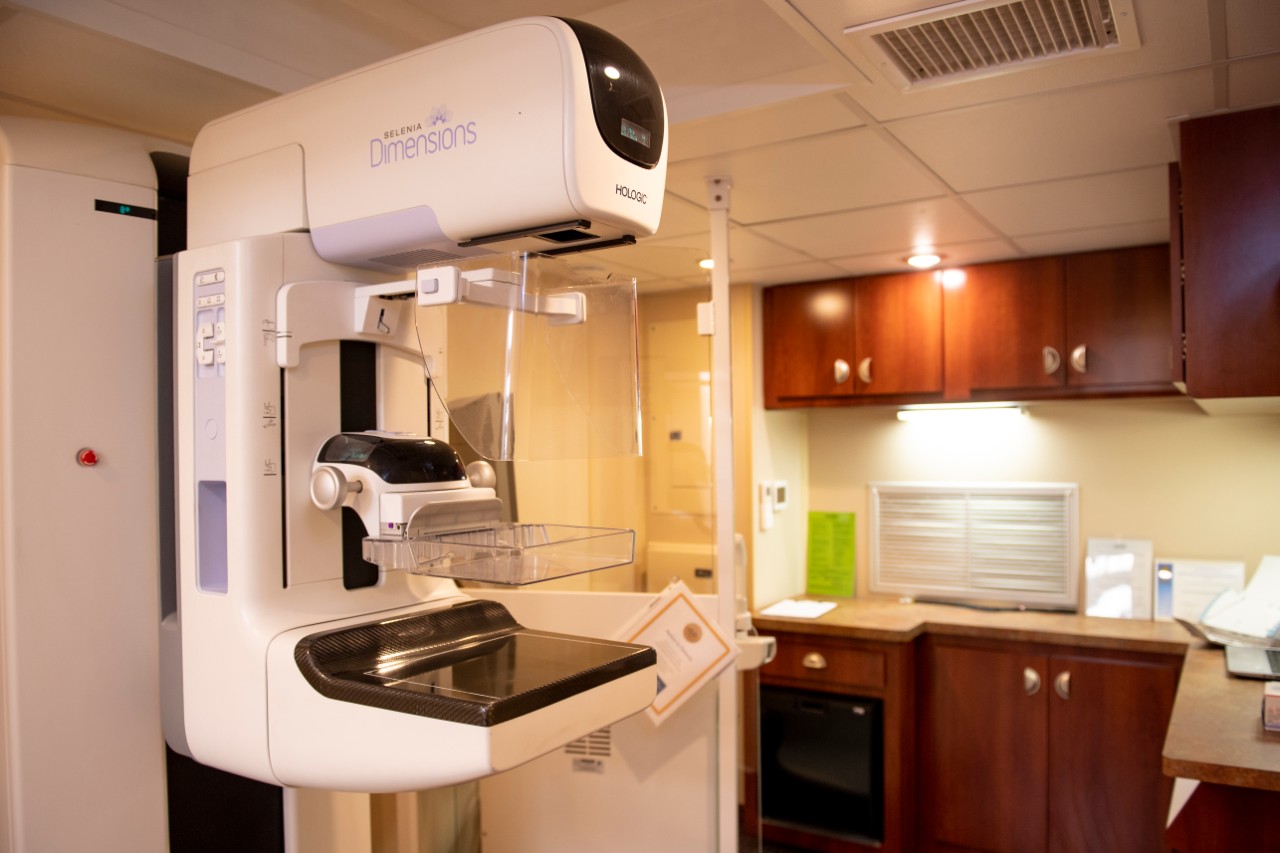
The National Cancer Institute's Tomosynthesis Mammographic Imaging Screening Trial (TMIST) has a goal to compare whether tomography (also known as 3D imaging) is superior to standard digital mammography (2D imaging) in detecting life-threatening cancers, said Lawrence Sobel, associate professor and section chief of Breast Imaging Radiology in the College of Medicine. Sobel is leading the TMIST trial at UC.
Sobel said women who are already scheduled to receive screening mammography are asked to enroll in the study and are assigned to receive either yearly or every other year screening depending on risk factors. The trial then randomly determines whether the patients will receive traditional 2D imaging or the 3D imaging.
UC has enrolled 772 patients in the study so far out of a total of 55,000 worldwide participants, which puts the center in the top 10-20 percentile in the U.S. in terms of enrollment, Sobel said.
For more information on the study, call Holly Wilcox at 513-558-3883.
Featured photo at top of a 3D mammogram machine. Photo/Colleen Kelley/UC Creative + Brand
Related Stories
Sugar overload killing hearts
November 10, 2025
Two in five people will be told they have diabetes during their lifetime. And people who have diabetes are twice as likely to develop heart disease. One of the deadliest dangers? Diabetic cardiomyopathy. But groundbreaking University of Cincinnati research hopes to stop and even reverse the damage before it’s too late.
Is going nuclear the solution to Ohio’s energy costs?
November 10, 2025

The Ohio Capital Journal recently reported that as energy prices continue to climb, economists are weighing the benefits of going nuclear to curb costs. The publication dove into a Scioto Analysis survey of 18 economists to weigh the pros and cons of nuclear energy. One economist featured was Iryna Topolyan, PhD, professor of economics at the Carl H. Lindner College of Business.
App turns smartwatch into detector of structural heart disease
November 10, 2025

An app that uses an AI model to read a single-lead ECG from a smartwatch can detect structural heart disease, researchers reported at the 2025 Scientific Sessions of the American Heart Association. Although the technology requires further validation, researchers said it could help improve the identification of patients with heart failure, valvular conditions and left ventricular hypertrophy before they become symptomatic, which could improve the prognosis for people with these conditions.