WaPo: Ancient Maya beat heat by planting trees
KidsPost highlights UC archaeology research in ancient Maya city

The Washington Post highlighted a new study by a team of researchers at the University of Cincinnati that found the ancient Maya preserved natural vegetation around its reservoirs in the city of Tikal.
UC found that these critical sources of city drinking water were lined with trees and wild vegetation that would have provided scenic natural beauty in the heart of the busy city.
UC researchers developed a novel system to analyze ancient plant DNA in the sediment of Tikal’s temple and palace reservoirs to identify more than 30 species of trees, grasses, vines and flowering plants that lived along its banks more than 1,000 years ago. Their findings painted a picture of a lush, wild oasis.
UC geography professor Nicholas Dunning talked to the Post for its KidsPost section.
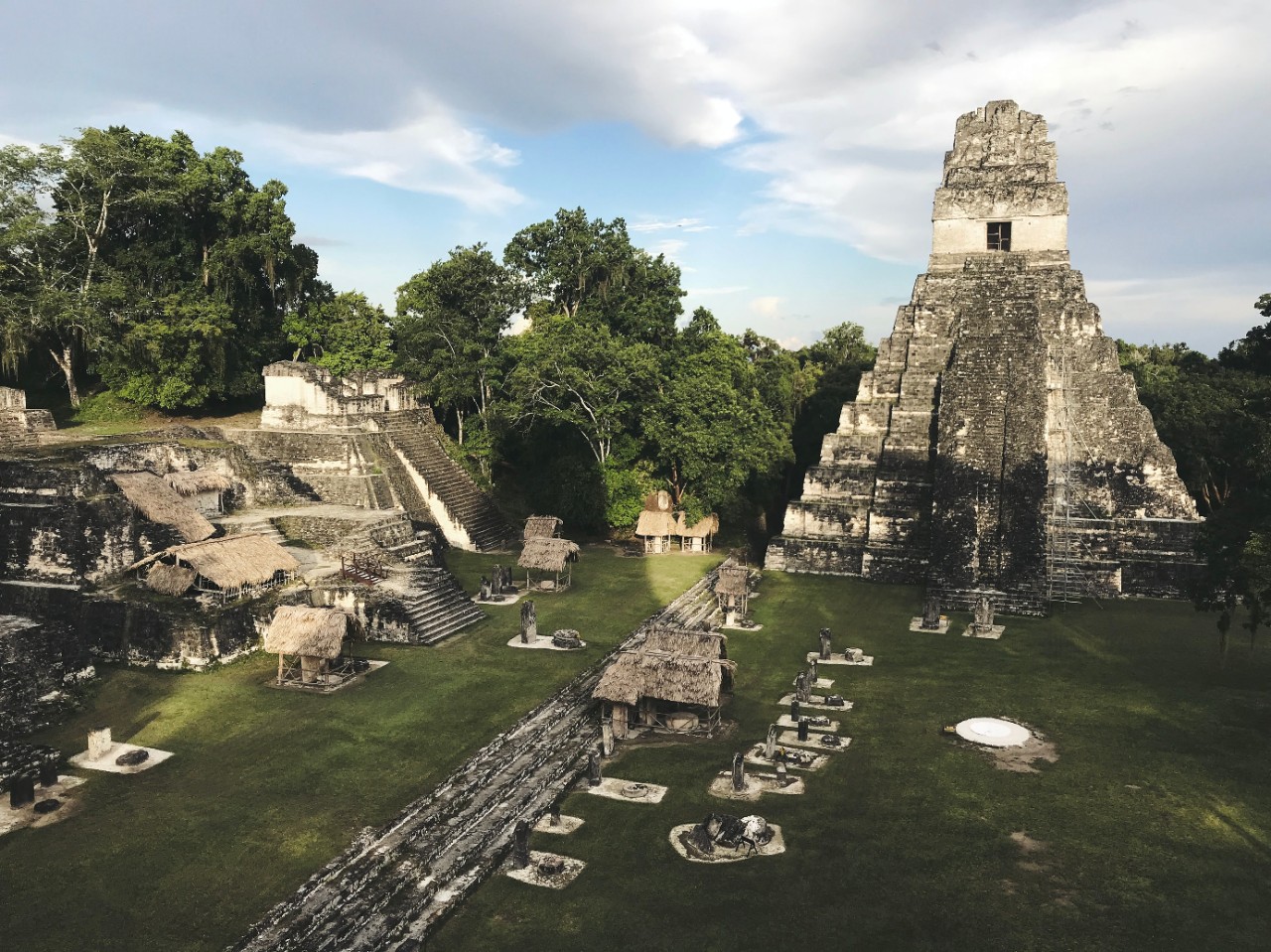
“It was quite a remarkable place, with towering temples poking up above the top of the rainforest,” Dunning told the Post.
He is a co-author of the study published in the Nature journal Scientific Reports.
“Almost all of the city center was paved. That would get pretty hot during the dry season,” said paleoethnobotanist David Lentz, a professor of biology in UC’s College of Arts and Sciences and lead author of the study.
“So it would make sense that they would have places that were nice and cool right along the reservoir,” he said. “It must have been beautiful to look at with the water and trees and a welcome place for the kings and their families to go.”
Featured image at top: The ancient Maya city of Tikal. Photo/Jimmy Baum/Unsplash
Related Stories
Sugar overload killing hearts
November 10, 2025
Two in five people will be told they have diabetes during their lifetime. And people who have diabetes are twice as likely to develop heart disease. One of the deadliest dangers? Diabetic cardiomyopathy. But groundbreaking University of Cincinnati research hopes to stop and even reverse the damage before it’s too late.
Is going nuclear the solution to Ohio’s energy costs?
November 10, 2025

The Ohio Capital Journal recently reported that as energy prices continue to climb, economists are weighing the benefits of going nuclear to curb costs. The publication dove into a Scioto Analysis survey of 18 economists to weigh the pros and cons of nuclear energy. One economist featured was Iryna Topolyan, PhD, professor of economics at the Carl H. Lindner College of Business.
App turns smartwatch into detector of structural heart disease
November 10, 2025

An app that uses an AI model to read a single-lead ECG from a smartwatch can detect structural heart disease, researchers reported at the 2025 Scientific Sessions of the American Heart Association. Although the technology requires further validation, researchers said it could help improve the identification of patients with heart failure, valvular conditions and left ventricular hypertrophy before they become symptomatic, which could improve the prognosis for people with these conditions.