Fox 19: UC part of large study looking at four diabetes drugs
Robert Cohen, MD, discusses which diabetes medications work best in controlling blood sugar

Liraglutide and insulin were the most effective of four common diabetes medications in keeping blood sugar levels (A1C) less than 7%, a common treatment target, according to findings from a study sponsored by the National Institutes of Health.
Locally, the University of Cincinnati was one of several clinical study sites for the GRADE study (Glycemia Reduction Approaches in Diabetes), which enrolled 5,000 patients with type 2 diabetes. Approximately, 1,250 were randomly assigned to each of the four diabetes medications: sulfonylurea glimepiride, DPP-4 inhibitor sitagliptin, insulin glargine and GLP-1 receptor agonist liraglutide.
Glimepiride had a smaller effect and sitagliptin showed the lowest effect, resulting in the highest frequency of developing A1C levels greater than 7%. Insulin glargine was most effective in keeping A1C levels less than 7.5%, a secondary outcome of the study.
Results were presented at a virtual session of the Scientific Sessions of the American Diabetes Association. Robert Cohen, MD, professor of endocrinology, diabetes and metabolism, at the University of Cincinnati College of Medicine, spoke with WXIX-TV Fox 19 about the study and what it means for patients living with diabetes.

Robert Cohen, MD
“The GRADE study was designed to provide a head-to-head comparison over a longer period of time than such studies are usually conducted of four drugs which work by different mechanisms to slow the progression of type 2 diabetes,” explains Cohen.
“This is important because diabetes is a long-term disease and events occur slowly over years. The study showed some differences between the different drugs but there were advantages and disadvantages to each of the drugs because there are multiple goals or endpoints that are important when thinking about diabetes.”
Controlling blood glucose levels over time is a major challenge for people with type diabetes, a condition that disproportionally affects communities of color. The GRADE study included a highly diverse population of patients: 20% Black and 18% Latino participants. It was designed to compare the effectiveness of glucose-lowering medications in maintaining average blood glucose levels in the target range that has been identified to reduce the risk of long-term complications.
Additional study findings include:
- Weight loss: On average, participants treated with liraglutide and sitagliptin had more weight loss than those treated with glimepiride, while the participants assigned to insulin glargine had stable weight over time.
- Side effects and risk: Liraglutide had more gastrointestinal side effects, such as nausea, abdominal pain, and diarrhea, than the other three medications. Glimepiride was associated with a higher risk for lower blood glucose than the other medications.
- Complications and benefits: Based on preliminary results, liraglutide had a relative benefit compared with the three other medications for reduction of a composite outcome of heart attacks, stroke and other heart and vascular complications.
See the full study findings online.
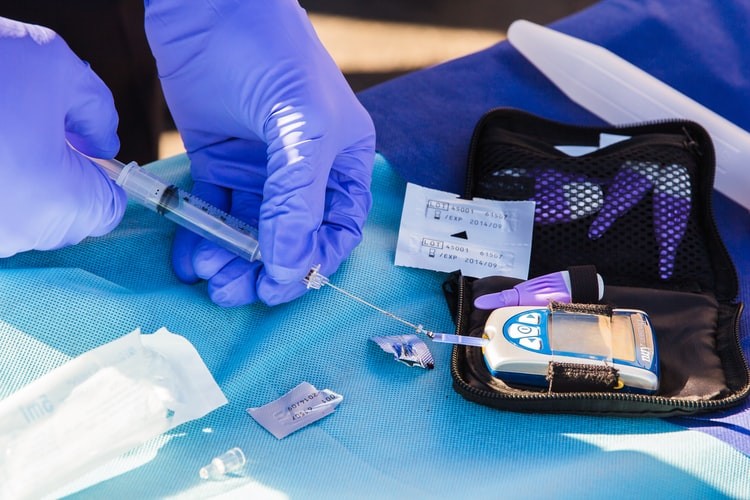
Featured image of insulin level measuring devices is courtesy of Unsplash.
Related Stories
Sugar overload killing hearts
November 10, 2025
Two in five people will be told they have diabetes during their lifetime. And people who have diabetes are twice as likely to develop heart disease. One of the deadliest dangers? Diabetic cardiomyopathy. But groundbreaking University of Cincinnati research hopes to stop and even reverse the damage before it’s too late.
Is going nuclear the solution to Ohio’s energy costs?
November 10, 2025

The Ohio Capital Journal recently reported that as energy prices continue to climb, economists are weighing the benefits of going nuclear to curb costs. The publication dove into a Scioto Analysis survey of 18 economists to weigh the pros and cons of nuclear energy. One economist featured was Iryna Topolyan, PhD, professor of economics at the Carl H. Lindner College of Business.
App turns smartwatch into detector of structural heart disease
November 10, 2025

An app that uses an AI model to read a single-lead ECG from a smartwatch can detect structural heart disease, researchers reported at the 2025 Scientific Sessions of the American Heart Association. Although the technology requires further validation, researchers said it could help improve the identification of patients with heart failure, valvular conditions and left ventricular hypertrophy before they become symptomatic, which could improve the prognosis for people with these conditions.