WLWT: New Alzheimer's study at UC could be breakthrough
UC’s Alberto Espay hopes to take Alzheimer’s treatment in a new direction

A recent UC-led study that re-examines the course of Alzheimer’s treatment is being highlighted by media.
The study is a collaboration between UC and the renown Karolinska Institute in Sweden. The senior author is Alberto Espay, MD, MSc, professor of neurology and rehabilitative medicine and member of the UC Gardner Neuroscience Institute.

Alberto Espay, MD, MSc, professor of neurology and rehabilitative medicine at the UC College of Medicine and Director and Endowed Chair of the James J. and Joan A. Gardner Family Center for Parkinson's Disease and Movement Disorders.
This research contends that diminished levels of a certain brain fluid protein, called soluble amyloid peptide, contributes to Alzheimer’s dementia and not clumps, called amyloid plaques, that result when the fluid drops.
Espays team compared the brain fluid levels of 600 Alzheimer’s individuals with clumps on their brains and found no cognitive impairment in those who had higher levels of the brain fluid protein.
“We (researchers) have been going with the narrative,” that the clumps cause the dementia, when they do not, says Espay.
Espay’s interviews are below:
WLWT: Channel 5: New Alzheimer's study at UC could be breakthrough in treating the disease
WVXU: A replacement therapy may be able to rescue the brain from Alzheimer's
The research study also appears nationally and internationally:
Neuroscience Today: Prevailing Alzheimer’s theory in question with new discovery
MD India: New discovery sheds light on the pitfalls of Alzheimer’s theory
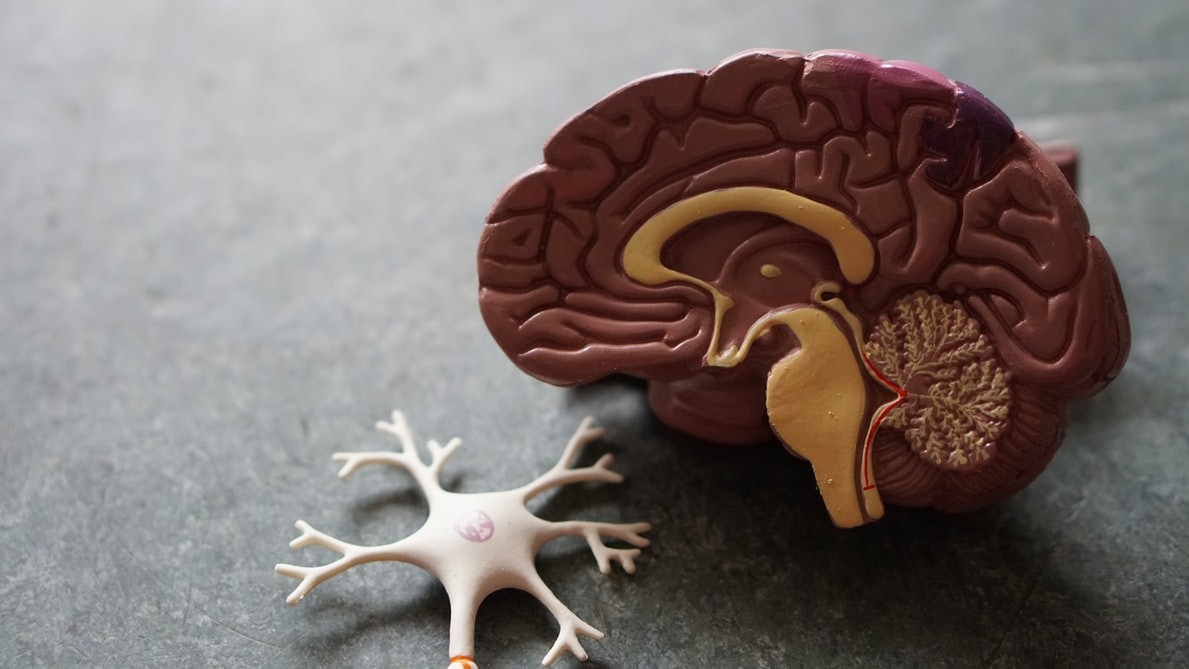
Featured image at top courtesy of Unsplash.
Impact Lives Here
The University of Cincinnati is leading public urban universities into a new era of innovation and impact. Our faculty, staff and students are saving lives, changing outcomes and bending the future in our city's direction. Next Lives Here.
Related Stories
Sugar overload killing hearts
November 10, 2025
Two in five people will be told they have diabetes during their lifetime. And people who have diabetes are twice as likely to develop heart disease. One of the deadliest dangers? Diabetic cardiomyopathy. But groundbreaking University of Cincinnati research hopes to stop and even reverse the damage before it’s too late.
Is going nuclear the solution to Ohio’s energy costs?
November 10, 2025

The Ohio Capital Journal recently reported that as energy prices continue to climb, economists are weighing the benefits of going nuclear to curb costs. The publication dove into a Scioto Analysis survey of 18 economists to weigh the pros and cons of nuclear energy. One economist featured was Iryna Topolyan, PhD, professor of economics at the Carl H. Lindner College of Business.
App turns smartwatch into detector of structural heart disease
November 10, 2025

An app that uses an AI model to read a single-lead ECG from a smartwatch can detect structural heart disease, researchers reported at the 2025 Scientific Sessions of the American Heart Association. Although the technology requires further validation, researchers said it could help improve the identification of patients with heart failure, valvular conditions and left ventricular hypertrophy before they become symptomatic, which could improve the prognosis for people with these conditions.