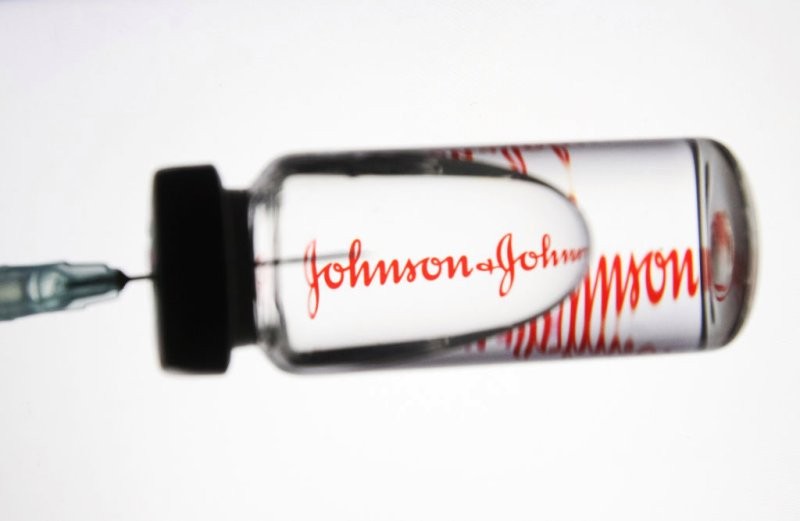
MSN/FOX19: Johnson & Johnson COVID-19 vaccine still very effective, UC professor says
UC expert says the important thing is getting as many people vaccinated as possible

Carl Fichtenbaum, MD, of the Division of Infectious Diseases at the UC College of Medicine, was interviewed for a story on the COVID-19 vaccine from by Johnson & Johnson which showed an effective rate of 66%. WXIX-TV/FOX19 produced the story locally which was picked up by MSN nationally.
Fichtenbaum says it's still worthwhile for people to get the J & J vaccine despite that comparitively low effectiveness rate

Carl Fichtenbaum, MD, of the Division of Infectious Diseases at the UC College of Medicine/Photo/Joe Fuqua II/UC Creative + Brand
With Moderna testing at 94% effective and Pfizer testing at 95%, Fichtenbaum expects that people will have a preference in which vaccine they will receive.
“When we continue to test new vaccines, we’re testing them in a different environment where there are these strains that are emerging where the vaccine may not respond as well,” Fichtenbaum says. “So, if we tested Moderna or Pfizer vaccine under those conditions, would they still be the same as 95%? I’m not so certain.”
Lead photo/Getty Images
Next Lives Here
The University of Cincinnati is classified as a Research 1 institution by the Carnegie Commission and is ranked in the National Science Foundation's Top-35 public research universities. UC's medical, graduate and undergraduate students and faculty investigate problems and innovate solutions with real-world impact. Next Lives Here.
Related Stories
Sugar overload killing hearts
November 10, 2025
Two in five people will be told they have diabetes during their lifetime. And people who have diabetes are twice as likely to develop heart disease. One of the deadliest dangers? Diabetic cardiomyopathy. But groundbreaking University of Cincinnati research hopes to stop and even reverse the damage before it’s too late.
Is going nuclear the solution to Ohio’s energy costs?
November 10, 2025

The Ohio Capital Journal recently reported that as energy prices continue to climb, economists are weighing the benefits of going nuclear to curb costs. The publication dove into a Scioto Analysis survey of 18 economists to weigh the pros and cons of nuclear energy. One economist featured was Iryna Topolyan, PhD, professor of economics at the Carl H. Lindner College of Business.
App turns smartwatch into detector of structural heart disease
November 10, 2025

An app that uses an AI model to read a single-lead ECG from a smartwatch can detect structural heart disease, researchers reported at the 2025 Scientific Sessions of the American Heart Association. Although the technology requires further validation, researchers said it could help improve the identification of patients with heart failure, valvular conditions and left ventricular hypertrophy before they become symptomatic, which could improve the prognosis for people with these conditions.