Undark: Rural America tackles vaccine distribution
UC epidemiologist Diego Cuadros says COVID-19 could linger in rural areas

The science magazine Undark talked to University of Cincinnati epidemiologist Diego Cuadros about what to expect as COVID-19 vaccinations are administered in the United States.
Cuadros, director of UC's Health Geography and Disease Modeling Lab, has helped track the spread of coronavirus across Ohio and elsewhere as part of UC's Geospatial Health Advising Group. Composed of health, geography and statistical modeling experts from the UC College of Pharmacy and the UC College of Arts and Sciences, the UC group formed in the spring to track the virus and provide guidance for health officials.
Cuadros, an assistant professor of geography in UC's College of Arts and Sciences, tells Undark that vaccinations could be slower to reach everyone in rural areas. Rural residents are less likely to get a flu shot than people who live in urban areas.
"Think about a person who needs to drive one hour for a shot then do the same 20 days later for a second shot," Cuadros said. "If it's a person who maybe doesn't think this is too important, or has some misconception about vaccines, this is going to be extremely challenging."
Cuadros told Undark that the virus might linger in pockets of rural America, re-emerging into the broader population and compromising efforts to get the virus under control.
In November, UC's Geospatial Health Advising Group warned that mortality rates from COVID-19 were surging in rural America, which was a growing concern because rural areas have comparatively fewer health care resources.
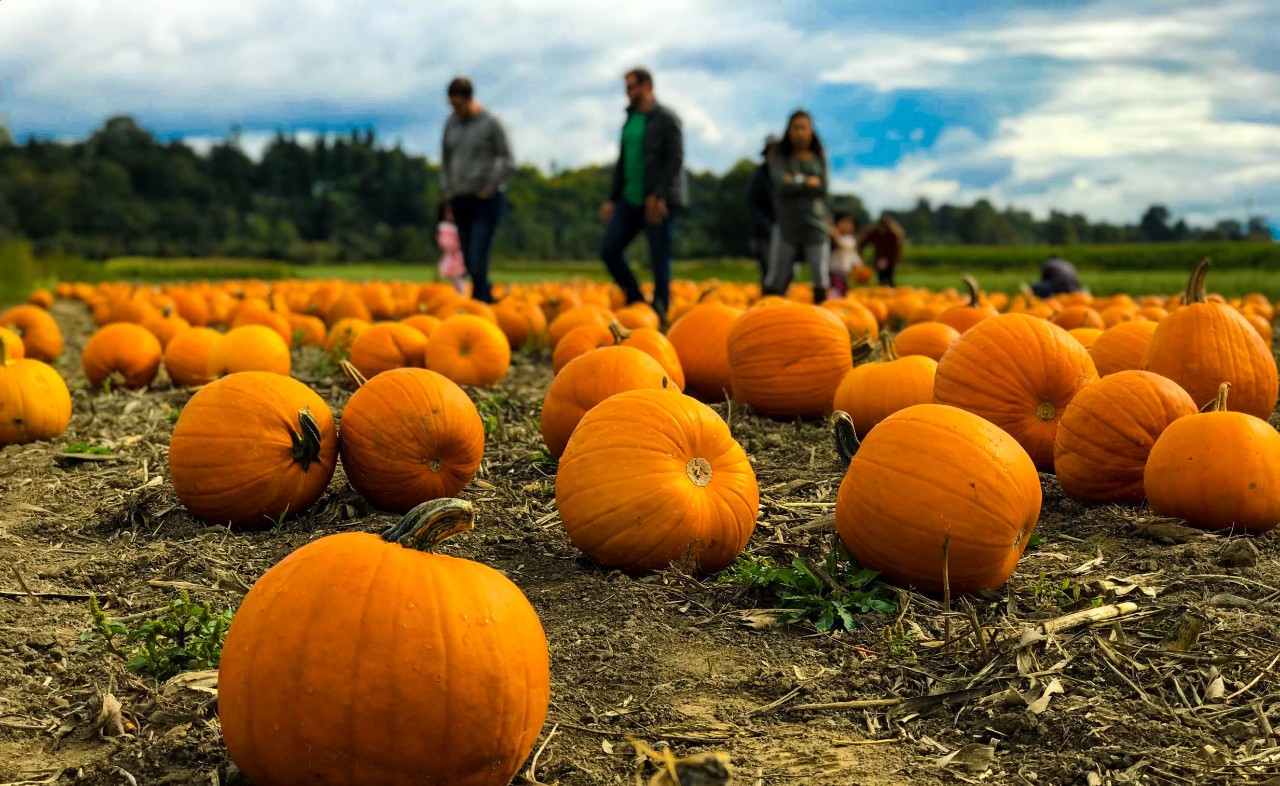
Featured image at top: A pumpkin patch. UC assistant professor Diego Cuadros has been tracking COVID-19 across rural America. Photo/Marius Ciocirlan/Unsplash

UC epidemiologist Diego Cuadros has been tracking the spread of coronavirus across Ohio and the United States for UC's Geospatial Health Advising Group. Photo/Andrew Higley/UC Creative + Brand
Related Stories
Sugar overload killing hearts
November 10, 2025
Two in five people will be told they have diabetes during their lifetime. And people who have diabetes are twice as likely to develop heart disease. One of the deadliest dangers? Diabetic cardiomyopathy. But groundbreaking University of Cincinnati research hopes to stop and even reverse the damage before it’s too late.
Is going nuclear the solution to Ohio’s energy costs?
November 10, 2025

The Ohio Capital Journal recently reported that as energy prices continue to climb, economists are weighing the benefits of going nuclear to curb costs. The publication dove into a Scioto Analysis survey of 18 economists to weigh the pros and cons of nuclear energy. One economist featured was Iryna Topolyan, PhD, professor of economics at the Carl H. Lindner College of Business.
App turns smartwatch into detector of structural heart disease
November 10, 2025

An app that uses an AI model to read a single-lead ECG from a smartwatch can detect structural heart disease, researchers reported at the 2025 Scientific Sessions of the American Heart Association. Although the technology requires further validation, researchers said it could help improve the identification of patients with heart failure, valvular conditions and left ventricular hypertrophy before they become symptomatic, which could improve the prognosis for people with these conditions.