Medscape: Arthritis drugs 'impressive' for severe COVID-19 but not 'magic cure'
UC expert offers insight on study of drug treatments possibly improving COVID-19 outcomes

Carl Fichtenbaum, MD, of the UC College of Medicine Division of Infectious Diseases was one of the sources cited in a Medscape article on research showing that monoclonal antibodies used to treat rheumatoid arthritis could improve severe COVID-19 outcomes, including risk for death. The preprint findings of the Randomized, Embedded, Multifactorial Adaptive Platform Trial for Community-Acquired Pneumonia trial comes with a caveat from the authors saying the research has not yet been peer reviewed and "should not be used to guide clinical practice."

Carl Fichtenbaum, MD, of the UC Division of Infectious Diseases/Photo/Joe Fuqua II/UC Creative + Brand
Fichtenbaum described the study as interesting but added additional detail on how many participants in each group received steroids is warranted. "The analysis did not carefully adjust for the use of steroids that might have influenced outcomes," he said.
He also stressed the need for proper peer review of the research.
"We need to wait for the final results and ensure it was adequately powered with enough observations to make us confident in the results," Fichtenbaum said.
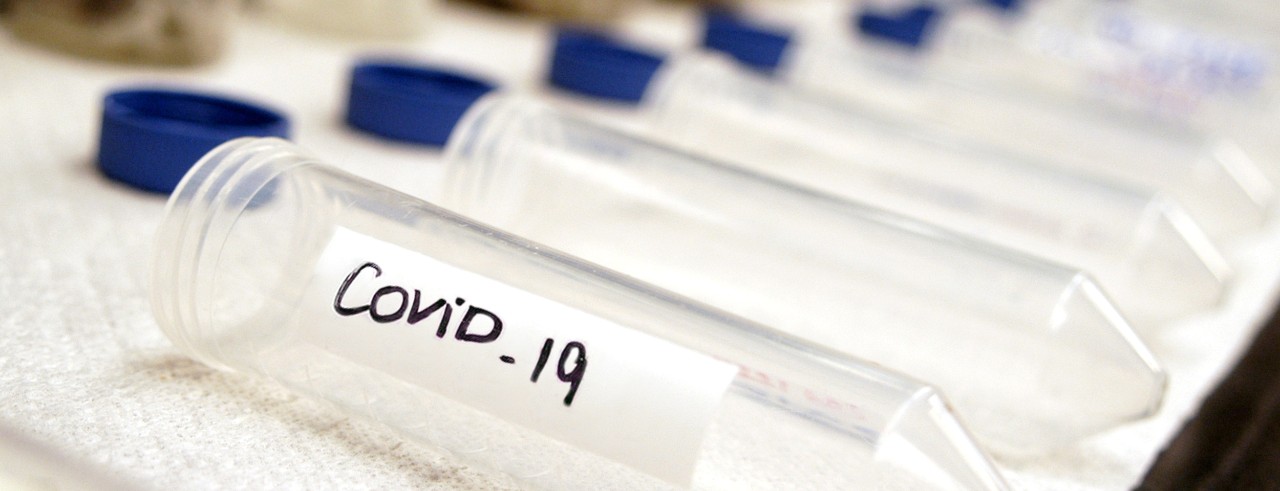
Lead image Colleen Kelley/UC Creative + Brand
Next Lives Here
The University of Cincinnati is classified as a Research 1 institution by the Carnegie Commission and is ranked in the National Science Foundation's Top-35 public research universities. UC's medical, graduate and undergraduate students and faculty investigate problems and innovate solutions with real-world impact. Next Lives Here.
Related Stories
Sugar overload killing hearts
November 10, 2025
Two in five people will be told they have diabetes during their lifetime. And people who have diabetes are twice as likely to develop heart disease. One of the deadliest dangers? Diabetic cardiomyopathy. But groundbreaking University of Cincinnati research hopes to stop and even reverse the damage before it’s too late.
Is going nuclear the solution to Ohio’s energy costs?
November 10, 2025

The Ohio Capital Journal recently reported that as energy prices continue to climb, economists are weighing the benefits of going nuclear to curb costs. The publication dove into a Scioto Analysis survey of 18 economists to weigh the pros and cons of nuclear energy. One economist featured was Iryna Topolyan, PhD, professor of economics at the Carl H. Lindner College of Business.
App turns smartwatch into detector of structural heart disease
November 10, 2025

An app that uses an AI model to read a single-lead ECG from a smartwatch can detect structural heart disease, researchers reported at the 2025 Scientific Sessions of the American Heart Association. Although the technology requires further validation, researchers said it could help improve the identification of patients with heart failure, valvular conditions and left ventricular hypertrophy before they become symptomatic, which could improve the prognosis for people with these conditions.