
UC Law alumnus, law library namesake remembered as DAV celebrates 100 years
UC Law alumnus, law library namesake remembered as DAV celebrates 100 years

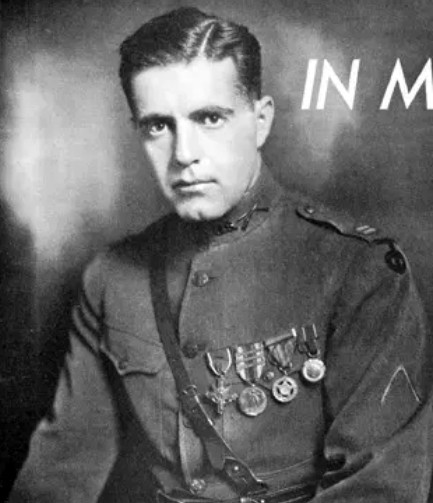
Robert S. Marx / Archive photo
The Disabled American Veterans, a nonprofit organization that works to improve the lives of those who’ve sacrificed for their country, celebrates its 100th anniversary this year. And as The Enquirer details, the organization got its start in 1920 thanks to University of Cincinnati College of Law alumnus Robert S. Marx, for whom UC’s Law Library is named.
On Christmas Day 1919, Marx, a newly elected judge on the Superior Court in Cincinnati, hosted a party at a hotel for more than 100 disabled World War I veterans who were receiving special job training from the Ohio Mechanics Institute.
Marx, a wounded veteran himself, knew the challenges the veterans faced, and the conversation turned to the scarce support available and need for a national organization for disabled veterans. Within a few months, DAV was born as Disabled American Veterans of the World War. Marx served as DAV’s first national commander and biggest promoter, according to The Enquirer.
Today there are nearly 1,300 DAV chapters and 1 million members across the nation.
Read the full story
Watch a one-hour documentary detailing the history of DAV here
Featured image at top: UC College of Law Robert S. Marx Law Library / File photo
Related Stories
UC launches Bearcats Affordability Grant
January 7, 2026
The University of Cincinnati is making college more attainable for students across Ohio with the creation of the Bearcats Affordability Grant. The new grant will provide a pathway to tuition-free college for students of families who make less than $75,000 per year. Beginning in fall 2026, the Bearcats Affordability Grant will cover the remaining cost of tuition for Ohio residents who are Pell eligible.
BearcatGPT AI platform now available to all UC faculty and staff
December 9, 2025
University of Cincinnati Digital Technology Solutions is excited to announce that BearcatGPT, the university’s private, secure AI platform, is now available to all UC faculty and staff.
Sugar overload killing hearts
November 10, 2025
Two in five people will be told they have diabetes during their lifetime. And people who have diabetes are twice as likely to develop heart disease. One of the deadliest dangers? Diabetic cardiomyopathy. But groundbreaking University of Cincinnati research hopes to stop and even reverse the damage before it’s too late.