Fish oil without the fishy smell or taste
Sustainable processing delivers highest quality, minimizing odor and taste, says UC researcher

A new study, co-led by University of Cincinnati researchers, describes the development of a refining process that scientists deem a superior method to help produce better dietary omega-3 health and dietary supplements containing fish oil.
Fish oil is widely known to be an excellent dietary source of omega-3 polyunsaturated fatty acids (PUFAs) having positive effects on human health including heart and eye health, inflammation and bone density.

Dr. Kumari working in her lab at UC's James L. Winkle College of Medicine. Kumari is an associate professor of pharmaceutical sciences and her work in the area of solution chemistry of supramolecular complexes is widely recognized.
The novel process uses a new tool called a vortex fluidic device (VFD) developed by research collaborators at Flinders University of Australia. The process is successful in lifting the quality of active ingredients of the PUFAs in fish oil, says Harshita Kumari, the study’s co-author and associate professor of pharmaceutical sciences at UC’s James L. Winkle College of Pharmacy.
The study now appears in Nature Papers Journals Science of Food.
Researchers applied the VFD-mediated encapsulated fish oil to enrich the omega-3 fatty acid content of juice.
“This novel process enriches the omega-3 fatty acid content of apple juice remarkably without changing its taste,” says Kumari, adding that two common consumer complaints regarding fish oil supplements is the taste and odor. Liquid omega-3 oils can also break down over time when exposed to oxygen which leads to degradation.
Compared to regular homogenization processing, Kumari says the device can raise PUFA levels and purity by lowering oxidation and dramatically improving shelf life. Natural bioactive molecules, also used in processing, reveal that the fish oil medium can absorb flavonoids and other health supplements.
In addition, Kumari and other researchers, including her UC doctoral student Marzieh Mirzamani, developed a technique for studying how this process occurs in the VFD in real time through small-angle neutron scattering.
Research endeavors such as this are an example of UC’s innovation agenda, an integral element of Next Lives Here, the University of Cincinnati’s strategic direction.
The study was published in partnership with Guangzhou University, the University of Cincinnati, Flinders University and the Australian Nuclear Science and Technology Organisation (ANSTO).
The project received funding from the Australian Research Council and was supported by ANSTO and the University of Cincinnati.
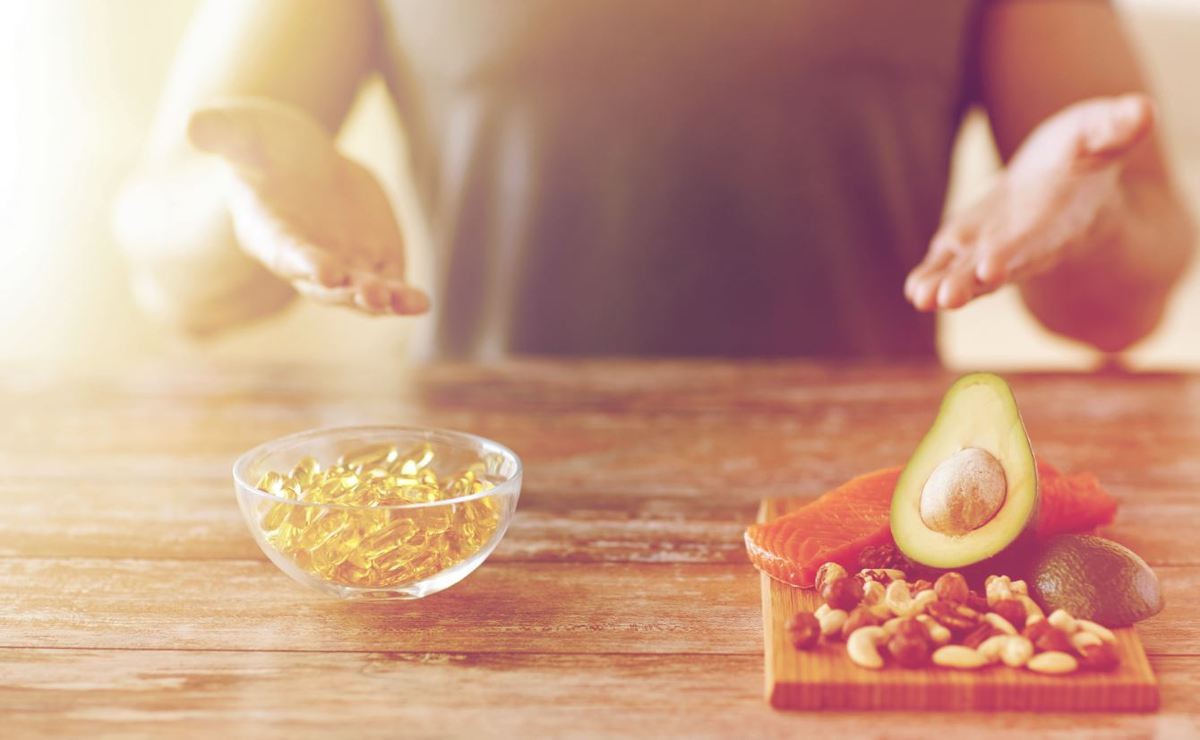
Featured image at top of supplements and foods which contain fatty acids. Photo/Getty Images.
Next Lives Here, the University of Cincinnati’s strategic direction, defines our moment and our momentum. More nimble and more robust than a plan, Next Lives Here announces our vision to the world—to lead urban public universities into a new era of innovation, impact, and inclusion.
Related Stories
Lindner graduate students shine in international simulation competition
November 10, 2025
Five master’s of information systems (MS IS) students took home fifth place out of 23 universities at the International ERPsim Competition hosted by HEC Montreal during the recent spring semester. The competition tests students’ knowledge of enterprise resource planning (ERP) software and their ability to adapt to challenging business problems.
Sugar overload killing hearts
November 10, 2025
Two in five people will be told they have diabetes during their lifetime. And people who have diabetes are twice as likely to develop heart disease. One of the deadliest dangers? Diabetic cardiomyopathy. But groundbreaking University of Cincinnati research hopes to stop and even reverse the damage before it’s too late.
Is going nuclear the solution to Ohio’s energy costs?
November 10, 2025

The Ohio Capital Journal recently reported that as energy prices continue to climb, economists are weighing the benefits of going nuclear to curb costs. The publication dove into a Scioto Analysis survey of 18 economists to weigh the pros and cons of nuclear energy. One economist featured was Iryna Topolyan, PhD, professor of economics at the Carl H. Lindner College of Business.