Scientific American: Police violence calls for measures beyond de-escalation training

De-escalation training, paired with greater accountability, better oversight of law enforcement and efforts to reimagine the role police play in communities, could help reduce officer-involved use of force incidents, reports Scientific American. In examining the issue, the magazine turned to University of Cincinnati criminologist and criminal justice professor Robin Engel, a nationally renowned expert on policing policy.
Engel, director of the International Association of Chiefs of Police and the University of Cincinnati Center for Police Research and Policy, tells Scientific American that de-escalation has become one of the types of training most frequently requested by police departments in recent years. However, she says that there is not enough systematic research on its use in policing to show its effectiveness or guide its use. What is clear, she says, is that de-escalation training alone, isn’t sufficient.
“We know that training alone doesn’t change behavior,” Engel said. “So you need a strong use-of-force policy that emphasizes the use of de-escalation tactics. And you need to couple that with accountability and supervisory oversight—and then add in the training component. Agencies that have been doing [these things] are [anecdotally] reporting success.”
Read the full story here.
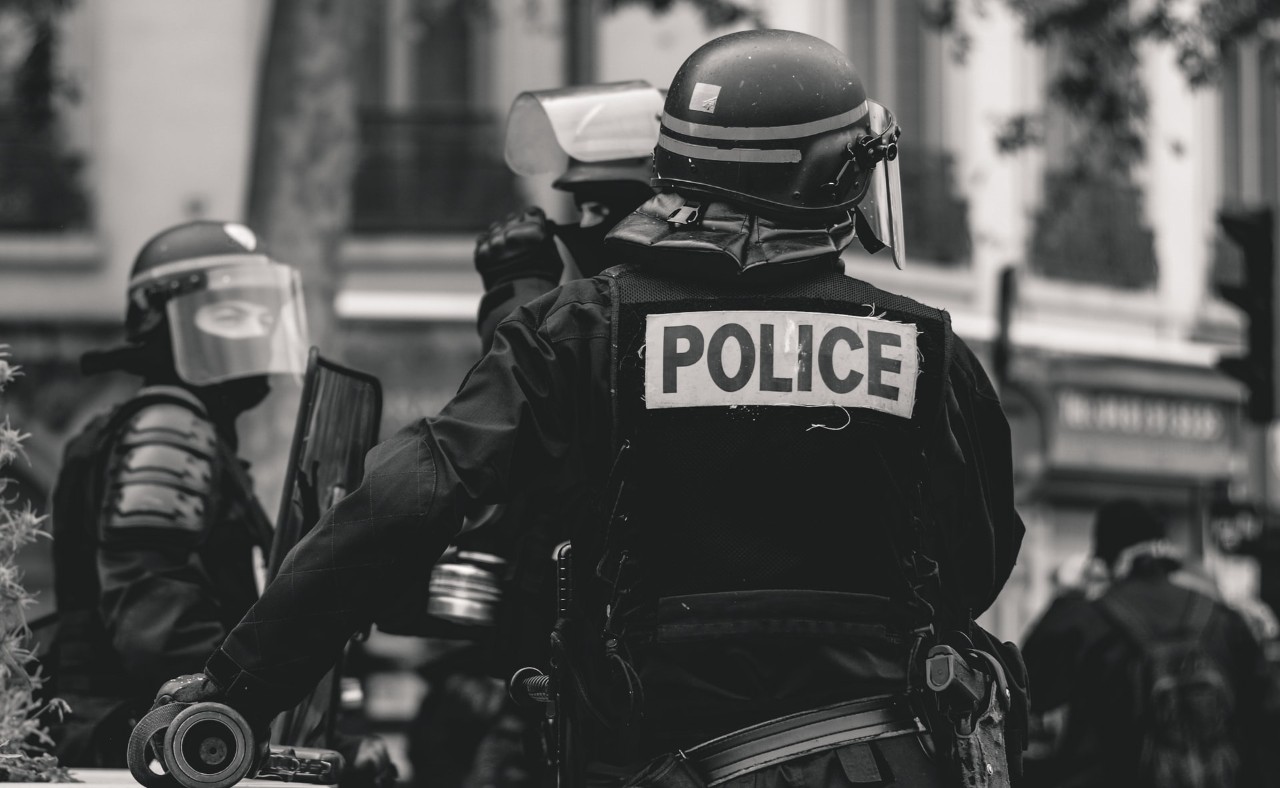
Featured image at top: police in riot gear. Photo/Unsplash/Ev
Related Stories
Sugar overload killing hearts
November 10, 2025
Two in five people will be told they have diabetes during their lifetime. And people who have diabetes are twice as likely to develop heart disease. One of the deadliest dangers? Diabetic cardiomyopathy. But groundbreaking University of Cincinnati research hopes to stop and even reverse the damage before it’s too late.
Is going nuclear the solution to Ohio’s energy costs?
November 10, 2025

The Ohio Capital Journal recently reported that as energy prices continue to climb, economists are weighing the benefits of going nuclear to curb costs. The publication dove into a Scioto Analysis survey of 18 economists to weigh the pros and cons of nuclear energy. One economist featured was Iryna Topolyan, PhD, professor of economics at the Carl H. Lindner College of Business.
App turns smartwatch into detector of structural heart disease
November 10, 2025

An app that uses an AI model to read a single-lead ECG from a smartwatch can detect structural heart disease, researchers reported at the 2025 Scientific Sessions of the American Heart Association. Although the technology requires further validation, researchers said it could help improve the identification of patients with heart failure, valvular conditions and left ventricular hypertrophy before they become symptomatic, which could improve the prognosis for people with these conditions.