Gizmodo: Ticks pee all over themselves when they suck blood
Ticks can get overheated drinking warm blood, UC biologist Joshua Benoit explains

Gizmodo turned to University of Cincinnati biologist Joshua Benoit to explain why some ticks have unusual bathroom habits when they feed.

UC biologist Joshua Benoit. Photo/Joseph Fuqua II/UC Creative + Brand
Benoit, an associate professor of biological sciences in UC's College of Arts and Sciences, has studied ticks at UC's Center for Field Studies and at Great Parks of Hamilton County. He spoke about an independent study by the University of Tours in France published in BioRxiv.
Turns out Hamlet's vengeful phrase "Now could I drink hot blood" isn't far from the mark when it comes to a species of soft tick found in South America. The blood they drink can dangerously raise their body temperature.
"You go from 20 degrees Celsius to 34 degrees Celsius in, like, 10 seconds," Benoit told Gizmodo. "It's pretty abrupt, I mean, [humans] would pass out if we heated up that quickly."
Since ticks can't sweat like we do when we tuck into a hot or spicy meal, the South American ticks cool themselves off with pee instead. The ticks withstand their hot meal through evaporative cooling.
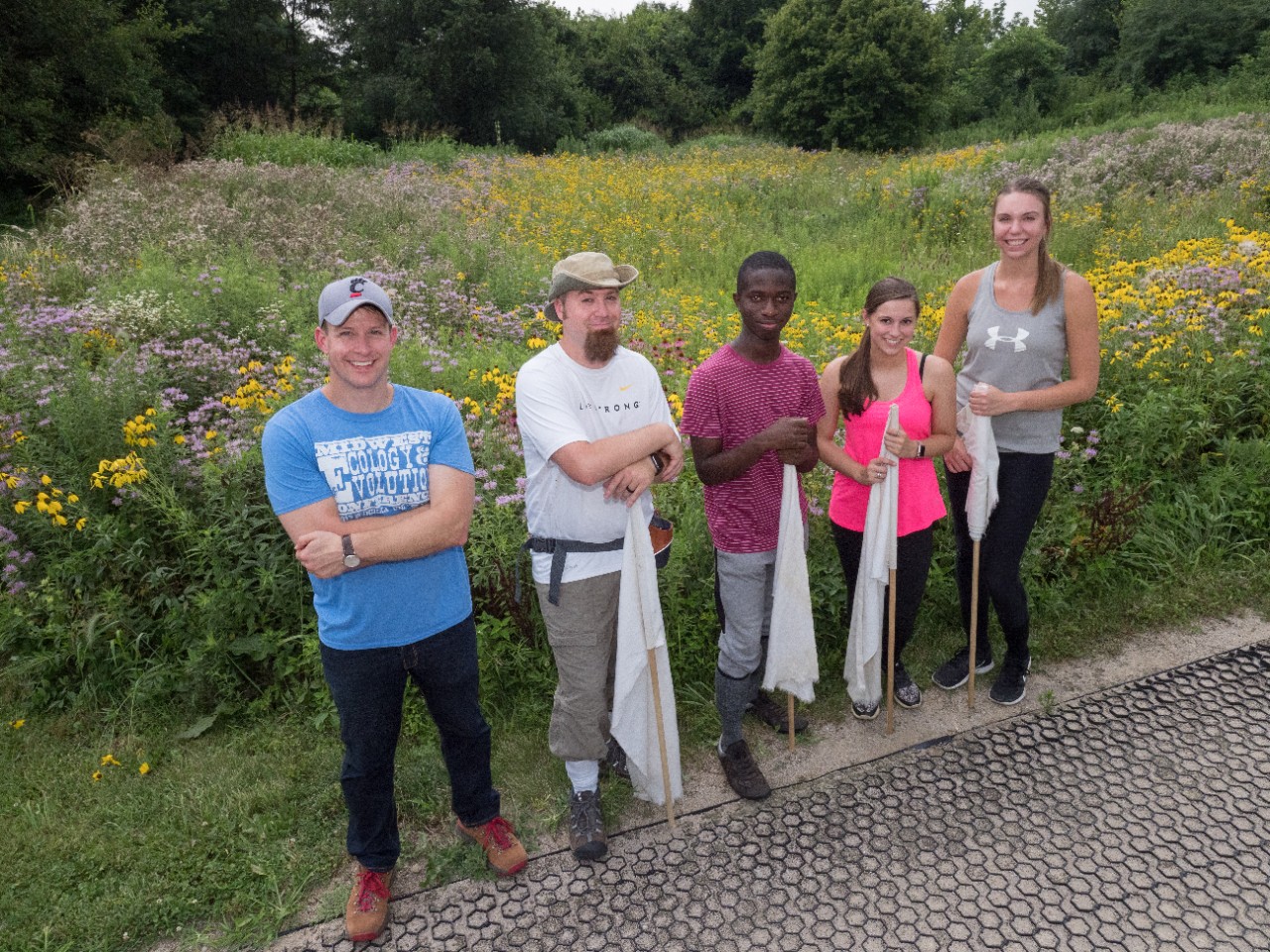
Featured image at top: UC associate professor Joshua Benoit, far left, collects ticks with UC biology students at UC's Center for Field Studies. Photo/Jay Yocis/UC Creative + Brand
More UC biology news

UC student Yi-Ting Sung holds up a spider in a biology lab. Photo/Joseph Fuqua II/UC Creative + Brand
Smithsonian: UC finds pollution in ancient Maya city
Twitter fight: Birds use social networks to pick opponents
WLW: UC biologist says get ready for return of cicadas
UC builds better test of animal vision
Bloomberg: P&G is developing next big thing in room buzzing with flies
What do Chinese opera masks and spiders have in common? A lot, as it turns out
Related Stories
Sugar overload killing hearts
November 10, 2025
Two in five people will be told they have diabetes during their lifetime. And people who have diabetes are twice as likely to develop heart disease. One of the deadliest dangers? Diabetic cardiomyopathy. But groundbreaking University of Cincinnati research hopes to stop and even reverse the damage before it’s too late.
Is going nuclear the solution to Ohio’s energy costs?
November 10, 2025

The Ohio Capital Journal recently reported that as energy prices continue to climb, economists are weighing the benefits of going nuclear to curb costs. The publication dove into a Scioto Analysis survey of 18 economists to weigh the pros and cons of nuclear energy. One economist featured was Iryna Topolyan, PhD, professor of economics at the Carl H. Lindner College of Business.
App turns smartwatch into detector of structural heart disease
November 10, 2025

An app that uses an AI model to read a single-lead ECG from a smartwatch can detect structural heart disease, researchers reported at the 2025 Scientific Sessions of the American Heart Association. Although the technology requires further validation, researchers said it could help improve the identification of patients with heart failure, valvular conditions and left ventricular hypertrophy before they become symptomatic, which could improve the prognosis for people with these conditions.