UC research: Immunotherapy safe for patients with COVID-19, cancer
Initial findings show that immunotherapy for cancer won’t worsen complications for COVID-19 patients

Preliminary data from researchers at the University of Cincinnati Cancer Center show that immunotherapy doesn’t necessarily worsen complications for patients with both COVID-19 and cancer.
This data is being presented by Layne Weatherford, PhD, UC postdoctoral fellow, at the American Association for Cancer Research Virtual Meeting: COVID-19 and Cancer, Monday, July 20.
Weatherford works in the lab of Trisha Wise-Draper, PhD, an associate professor of medicine, Division of Hematology Oncology, at the UC College of Medicine, UC Health oncologist and medical director of the UC Cancer Center Clinical Trials Office.
“Many COVID-19 complications result from an overactive immune response, leading to an increased production of proteins called cytokines,” Weatherford says. “Increased production of these proteins can cause issues like respiratory failure. Patients with cancer are more susceptible to COVID-19 infection as well as severe complications from it.
“Many patients with cancer are treated with immunotherapy, which activates the immune system against cancer to destroy it. In patients with both COVID-19 and cancer, our team thought that immunotherapy might increase the immune system response, which could already be overactive because of the COVID-19 infection.”
Wise-Draper says researchers thought treating COVID-19 patients with cancer immunotherapy might result in worsening patients’ health and overall outcomes.
“We are continuing to investigate whether immunotherapy causes an increased production of these proteins by immune cells from COVID-19 patients, but our initial findings are showing that immunotherapy is not significantly impacting it,” she adds.
Researchers are conducting this study using blood samples from patients with cancer taken from the UC COVID-19 biorepository, which Kris Hudock, MD, assistant professor in the Division of Pulmonary, Critical Care and Sleep Medicine at the UC College of Medicine, oversees.
“We are examining how immune checkpoint inhibitors, drugs that allow immune cells to respond more strongly, in combination with other treatments, like chemotherapy or radiation, affect the immune cells of COVID-19 patients and patients with both COVID-19 and cancer,” she says.
She and Weatherford add that their preliminary data show that an anti-diabetic drug, metformin, can reduce production of these proteins by immune cells of COVID-19 patients.
“These are promising, initial findings,” Wise-Draper says. “Additional research is needed, but our results show that we might be able to treat COVID-19 complications with metformin or a similar drug one day.”
Read more about COVID-19 and cancer-related research at UC.
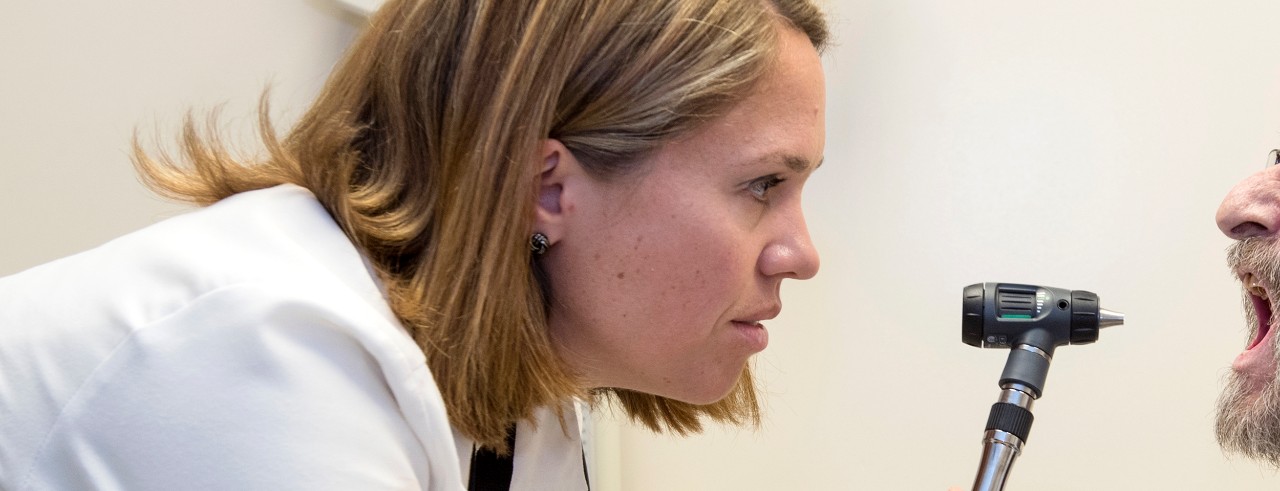
Featured photo of Trisha Wise-Draper, MD, PhD, by Colleen Kelley/UC Creative + Brand.
Impact Lives Here
The University of Cincinnati is leading public urban universities into a new era of innovation and impact. Our faculty, staff and students are saving lives, changing outcomes and bending the future in our city's direction. Next Lives Here.
Stay up on all UC's COVID-19 stories, read more #UCtheGood content, or take a UC virtual visit and begin picturing yourself at an institution that inspires incredible stories.
Related Stories
Sugar overload killing hearts
November 10, 2025
Two in five people will be told they have diabetes during their lifetime. And people who have diabetes are twice as likely to develop heart disease. One of the deadliest dangers? Diabetic cardiomyopathy. But groundbreaking University of Cincinnati research hopes to stop and even reverse the damage before it’s too late.
App turns smartwatch into detector of structural heart disease
November 10, 2025

An app that uses an AI model to read a single-lead ECG from a smartwatch can detect structural heart disease, researchers reported at the 2025 Scientific Sessions of the American Heart Association. Although the technology requires further validation, researchers said it could help improve the identification of patients with heart failure, valvular conditions and left ventricular hypertrophy before they become symptomatic, which could improve the prognosis for people with these conditions.
Combination immunotherapy helps overcome melanoma treatment resistance
November 10, 2025

MSN highlighted research led by the University of Cincinnati Cancer Center's Trisha Wise-Draper showing a combination of immunotherapy medications can activate a robust immune response and help overcome treatment resistance in patients with refractory melanoma.