UC hosts virtual transplant research symposium, June 26
Online event showcases innovation from UC/UC Health researchers

The UC Health Transplant Program and the University of Cincinnati College of Medicine will host a transplant research virtual symposium beginning 9 a.m. Friday, June 26, designed to connect physicians and medical professionals with some of the latest innovations in organ transplantation.
The symposium is showcasing research from physicians and researchers at UC and UC Health and aimed at attracting local medical professionals who may have missed similar presentations at the 2020 American Transplant Congress, says Corey King, executive administrative director for transplant services at UC Health and co-organizer of the virtual conference.
“This year’s scientific results indicate that the breadth and depth of transplant research in Cincinnati continues to increase, with substantial impact in the field of transplantation internationally,” says E. Steve Woodle, MD, the William A. Altemeier Chair in Surgery and Director of Solid Organ Transplantation at UC Health.

Steve Woodle, MD
This virtual symposium can be accessed via WebEx link. Twenty-six scientific presentations will showcase basic research, AHT clinical, pharmacokinetic advances and innovations affecting liver, kidney and pediatric patients.
A detailed agenda is available online.
“The volume and diversity of research topics presented at American Transplant Congress by University of Cincinnati faculty and trainees highlights broad research expertise which translates to cutting edge treatments for our transplant donors and recipients,” said Rita Alloway, PharmD, research professor in the UC Department of Internal Medicine and director of transplant clinical research at UC Health.
Alloway says two pharmacy residents at UC, Hillary Kuzaro, PharmD, and Nicole Wilson PharmD, were recipients of a Young Investigator award for best research project at the American Transplant Congress and will also make presentations during the virtual symposium hosted by UC Health/UC.

Rita Alloway, PharmD
“The American Transplant Congress is the world’s premier scientific meeting focused on solid organ transplantation, and serves as a forum for University of Cincinnati, Cincinnati Children’s and UC Health investigators and trainees to present their most recent research,” said Alloway.
“This year, we are pleased to announce the first Cincinnati Transplant Research Virtual Symposium where scientific studies from our local institutions will be presented in real time via an internet-based symposium,” said Alloway. “The purpose of the symposium is to make our research advances to those who cannot attend the American Transplant Congress.”
Here are some scientific papers that will be presented during our virtual symposium:
Analysis of Rejection, Rejection Therapy and Renal Function in the BEST Trial
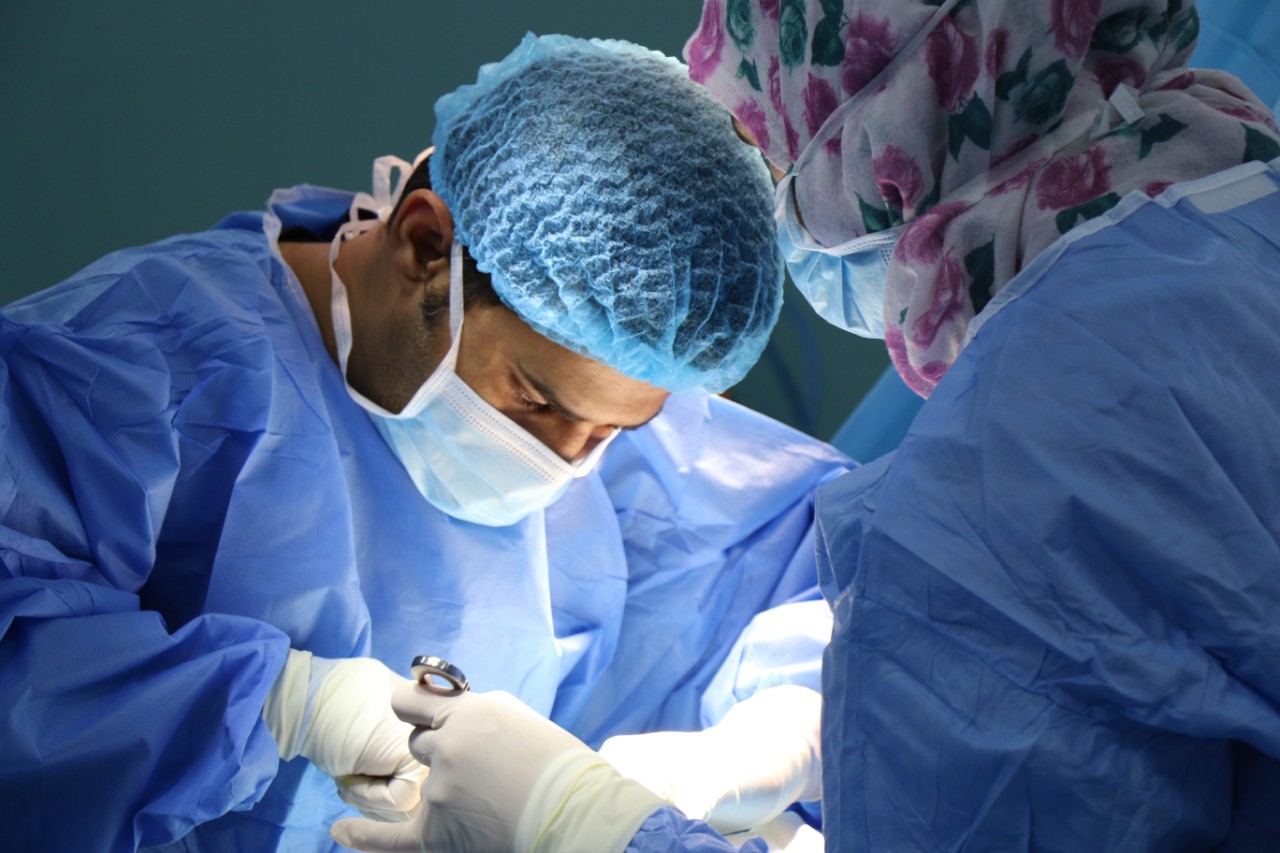
Featured image at top: Surgeons in an operating room. Photo/Unsplash.
Related Stories
Sugar overload killing hearts
November 10, 2025
Two in five people will be told they have diabetes during their lifetime. And people who have diabetes are twice as likely to develop heart disease. One of the deadliest dangers? Diabetic cardiomyopathy. But groundbreaking University of Cincinnati research hopes to stop and even reverse the damage before it’s too late.
App turns smartwatch into detector of structural heart disease
November 10, 2025

An app that uses an AI model to read a single-lead ECG from a smartwatch can detect structural heart disease, researchers reported at the 2025 Scientific Sessions of the American Heart Association. Although the technology requires further validation, researchers said it could help improve the identification of patients with heart failure, valvular conditions and left ventricular hypertrophy before they become symptomatic, which could improve the prognosis for people with these conditions.
Combination immunotherapy helps overcome melanoma treatment resistance
November 10, 2025

MSN highlighted research led by the University of Cincinnati Cancer Center's Trisha Wise-Draper showing a combination of immunotherapy medications can activate a robust immune response and help overcome treatment resistance in patients with refractory melanoma.